



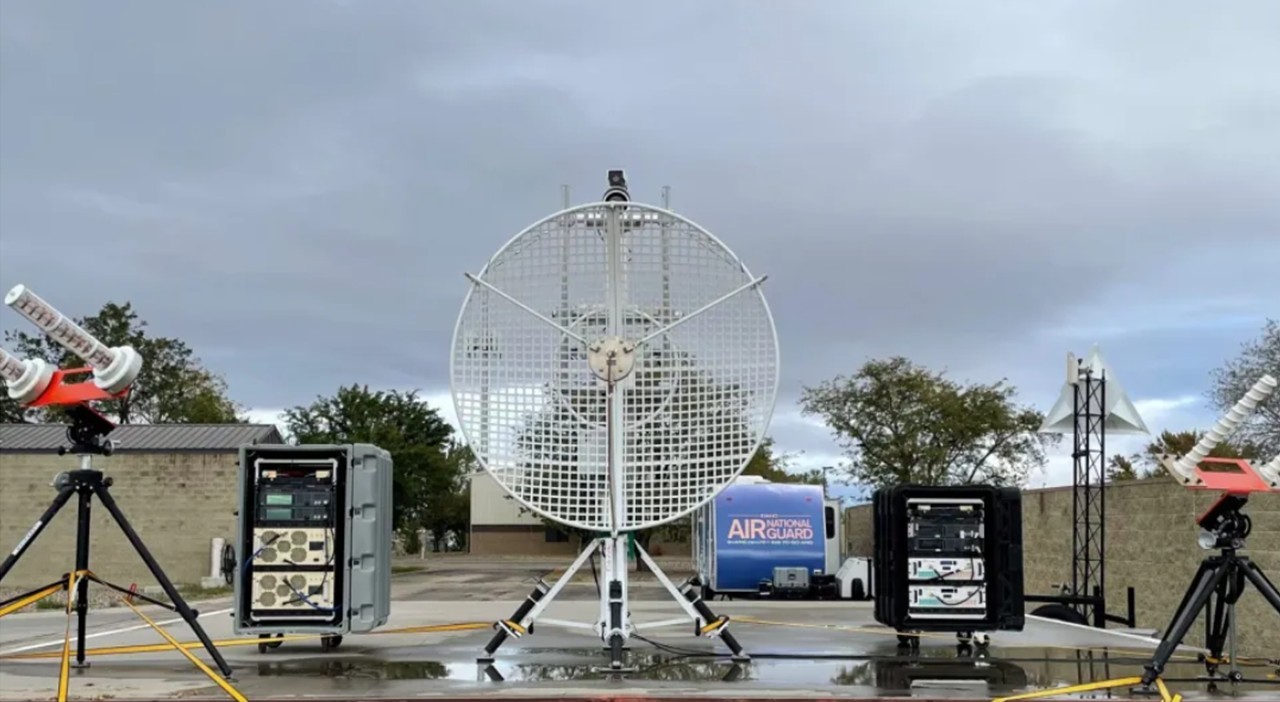
Image: Jamming equipment – 266th Range Squadron, Mountain Home Air Force Base
What’s new: In a presentation to the National Defense Transportation Association, the Executive Director of the GPS Innovation Alliance (GPSIA) warned that military testing of jamming and spoofing technologies was endangering civilians. She also suggested that, if the military is to continuing doing such testing, it should be in larger test ranges than heretofore so that there is little “spillover” outside the limits of the range.
Why it’s important:
- Americans are so over-dependent on GPS, almost any disruption is going to reduce some safety margins and make some things less efficient.
- Counter-UAS (C-UAS) operations and other government security measures frequently involve disrupting GPS and other signals.
- C-UAS operations are going to increase dramatically in coming years.
What else to know:
- GPSIA recommended the government not approve equipment to jam and spoof GPS signals for C-UAS.
- In the article and in filings with the government GPSIA has also expressed concern about jammer use around prisons to prevent unauthorized cell phone use.
- From GPSIA site – “The GPS Innovation Alliance promotes GPS, other Global Navigation Satellite Systems, complementary commercial satellite positioning, navigation, and timing (PNT) systems, and their receivers and devices. We are firmly committed to protecting these systems from harmful and illegal interference, including from jamming and spoofing.”
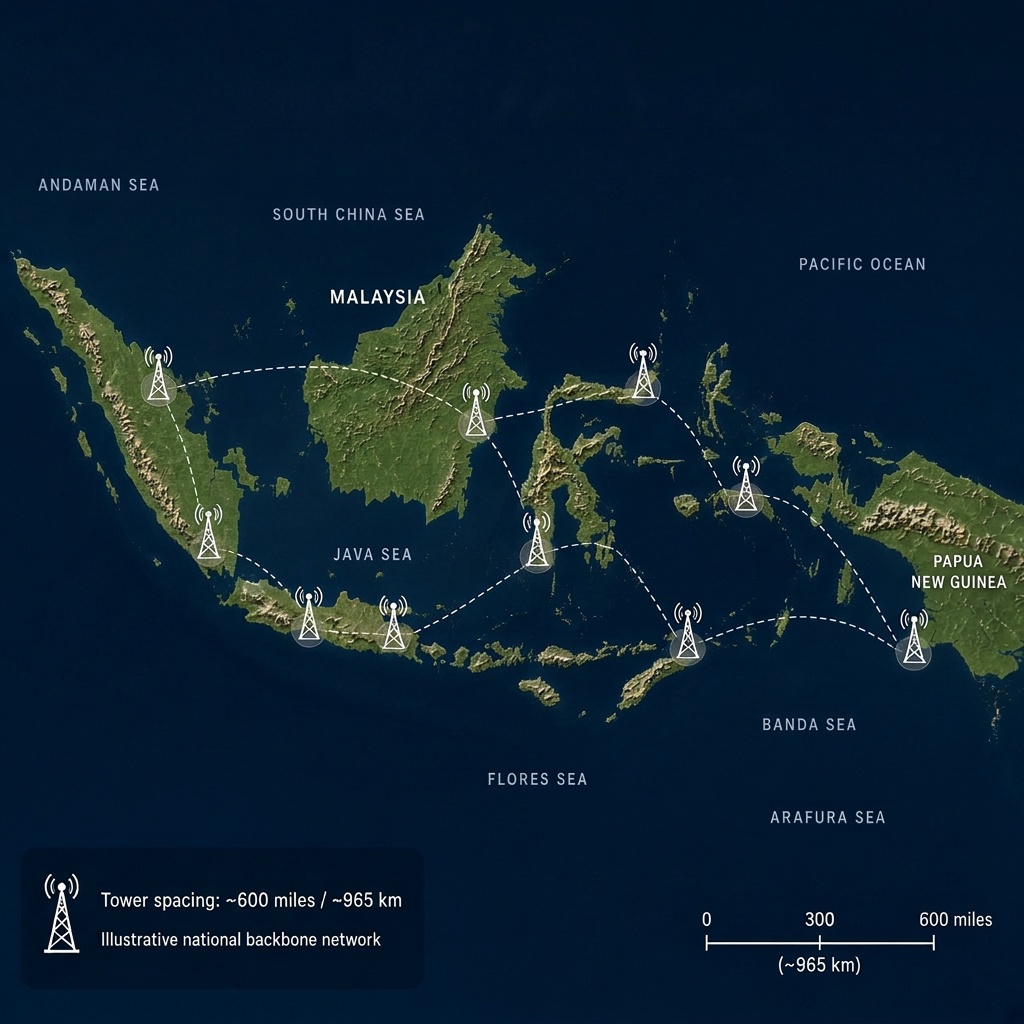
- The RNT Foundation shares GPSIA’s goals. In addition to space-based systems, we also promote synergistic use of diverse sources of PNT including terrestrial broadcast and fiber-based timing. A minimal national resilient PNT architecture is needed for this to be possible for most users.

Director of GPS Innovation Alliance warns of risks to civilians from military testing of jamming and spoofing technologies
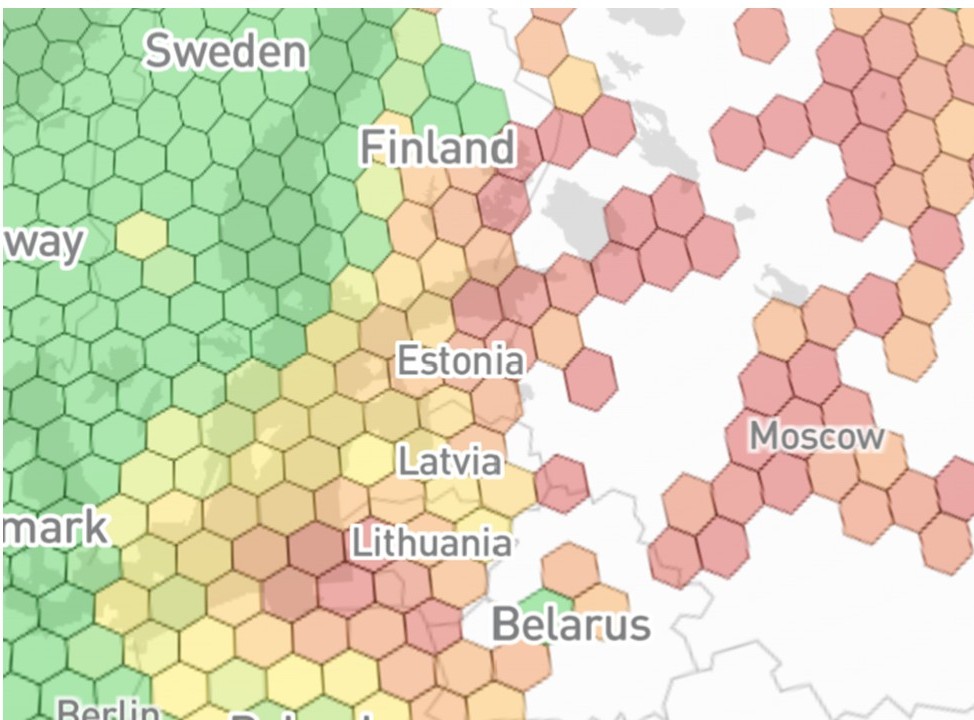
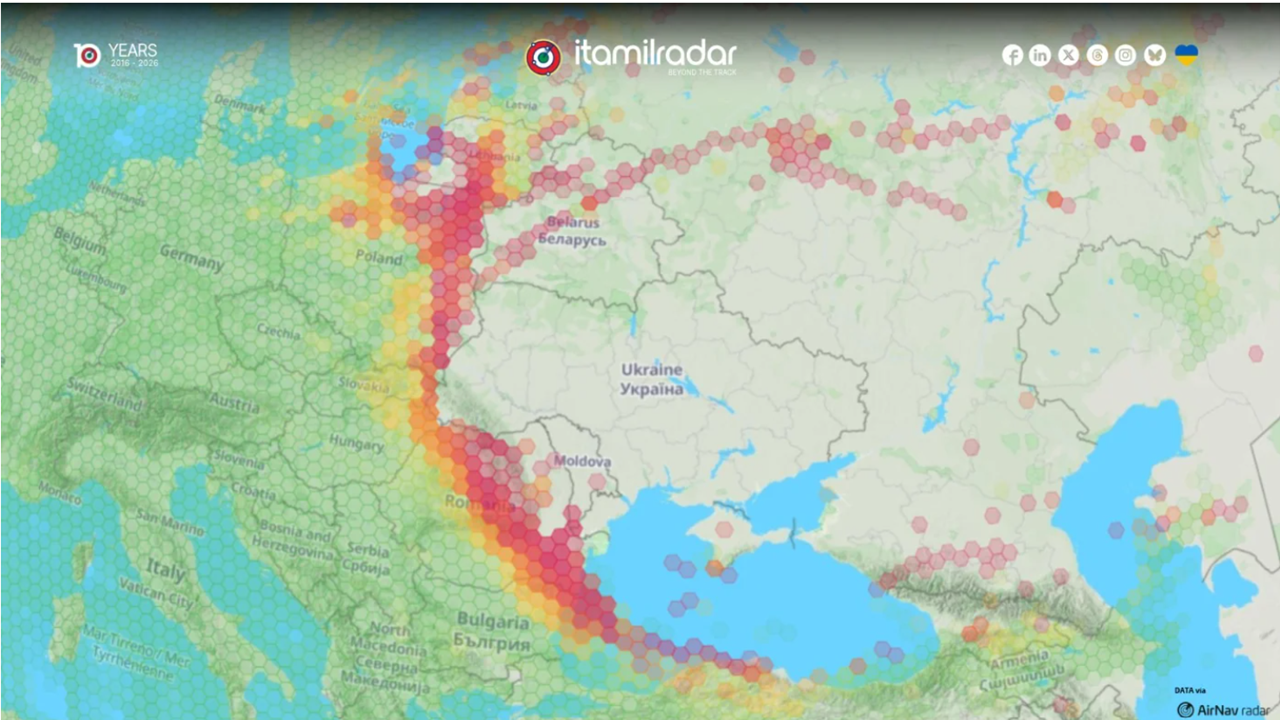
GRAPEVINE, Texas — The U.S. military has been ramping up efforts to assess and refine jamming and spoofing capabilities outside of conflict zones as troops hustle to counter unauthorized drone incursions threatening national security and prepare for what they expect will be highly-contested electromagnetic warfare environments of the future.
However, those activities risk interfering with platforms that rely on GPS.
“Government testing and operations in the United States are impacting the way that people live and work today,” said Lisa Dyer, executive director of the GPS Innovation Alliance.