



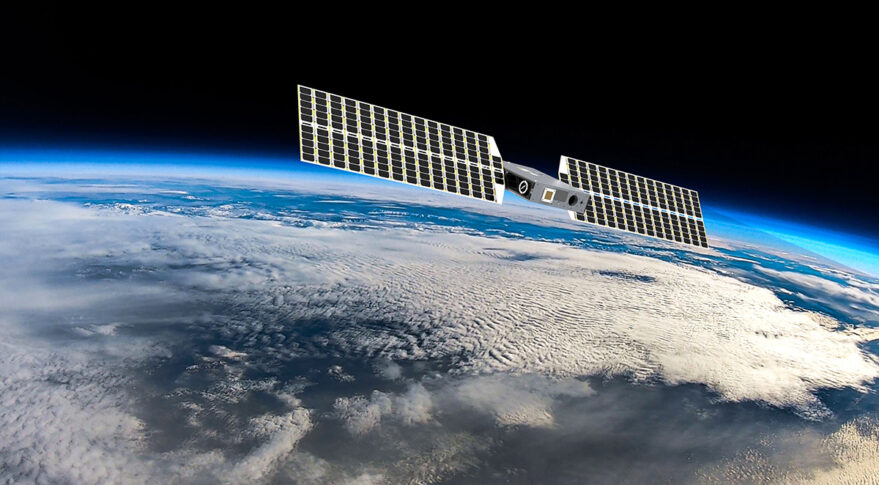
Image: Xona Space Systems
What’s new: Interesting not-quite accurate headline about comments from Brian Manning, CEO at Xona.
Why it’s important:
- From the text of the article, it’s clear Brian didn’t actually say exactly what the headline says. So it’s an object lesson to go beyond the headlines.
- That said, some very important points in the article:
- Bad location is worse than no location
- Most all receivers use GPS and other GNSS. That means the Chinese and Russian systems are mixed in with the US and EU systems. Do users know how their receivers react if the Chinese and/or Russian systems started transmitting bad info?
- China’s Bei Dou is the newest GNSS. Do some (most?) new receivers give it greater weight than GPS?
What else to know:
- The author says Xona signals can “…add the precision, power and protection that today’s receivers lack while plugging into the billions of GPS devices already in use.” Not really. We are sure Xona signals can be integrated with GNSS, but it does require a new device.
- Xona has recently placed its first six satellites in orbit which will allow them to start providing some limited services next year. They are planning a constellation of 258 satellites.
- Xona is a member of the RNT Foundation.

Xona Is in Orbit. Its CEO Says U.S. GPS Backup Leans on China.