



Image: EUalive
What’s new: A report coupling a rise in GPS disruptions and a possible Russian attack on a NATO member state.
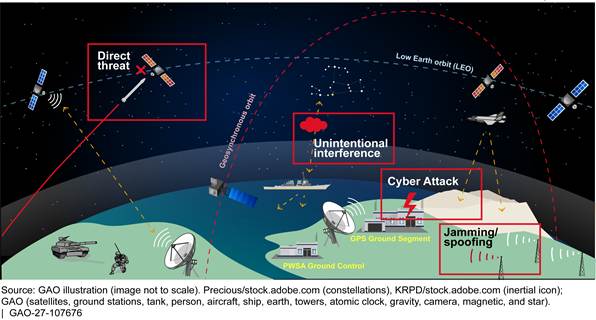
Why it’s important: Intentional GPS and other GNSS disruptions by nation states are a form of electronic warfare. Note the word “warfare.”
What else to know:
- Russia’s frustration in Ukraine and with its neighbors growing closer to NATO and the west has manifest itself in GPS jamming and spoofing.
- Before it invaded Ukraine, Russia shot down one of its defunct satellites and said if the alliance got in its way on Ukraine, they would shoot down all 32 GPS satellites and “blind NATO.”
- Finland, Sweden, and Norway all have or are planning fiber clock networks to reinforce critical infrastructure.
- We are always amazed when reports say Russia is the “likely source” of the interference. Of course it is!

Denmark records record GPS disruptions near Bornholm as Baltic interference intensifies
Recent U.S. intelligence assessments indicate that Russia could attempt a limited attack on a NATO member country sometime between this autumn and 2029
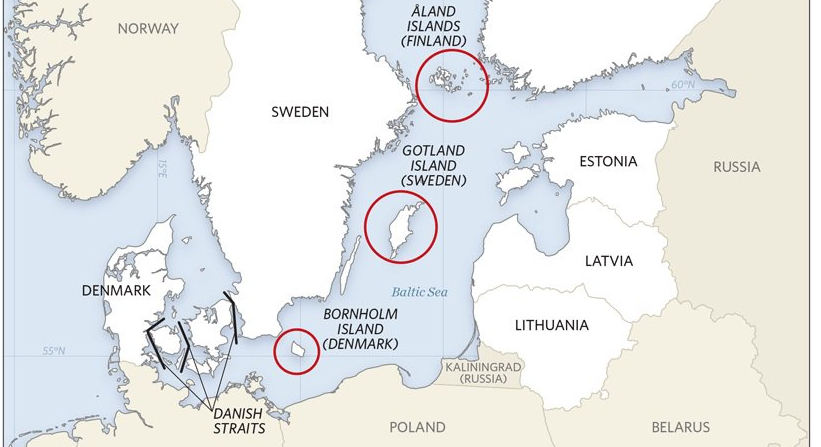
Denmark has recorded unprecedented levels of GPS signal disruptions in the area of the island of Bornholm in 2026, with experts citing reasonable grounds to suspect Russian involvement. A measuring station on the Danish island logged 30 instances of jamming and spoofing so far this year, compared with 16 throughout 2025 and 11 in 2024, according to Danish broadcaster DR as reported by European Pravda.
Instruments cannot pinpoint the exact source, but researchers note a clear rise since Russia’s full-scale invasion of Ukraine in 2022. “Since the start of the war in Ukraine, we have noticed a significant increase in the number of such incidents – because GPS is widely used in military technologies, including drones and missiles. So it is quite obvious that someone, in an attempt to defend themselves, is interfering with and distorting these signals,” said researcher Søren Reime Larsen.
Cargo vessel captain and owner Jens Nielsen, who operates Baltic Sea routes, reported that problems have worsened. Earlier disruptions typically lasted no more than 20 minutes, but on 29 July, for example, there was no adequate signal for an entire day in the zone between Gdańsk and Gotland. The worst issues occur in the south-eastern Baltic Sea.