




Image: Shutterstock
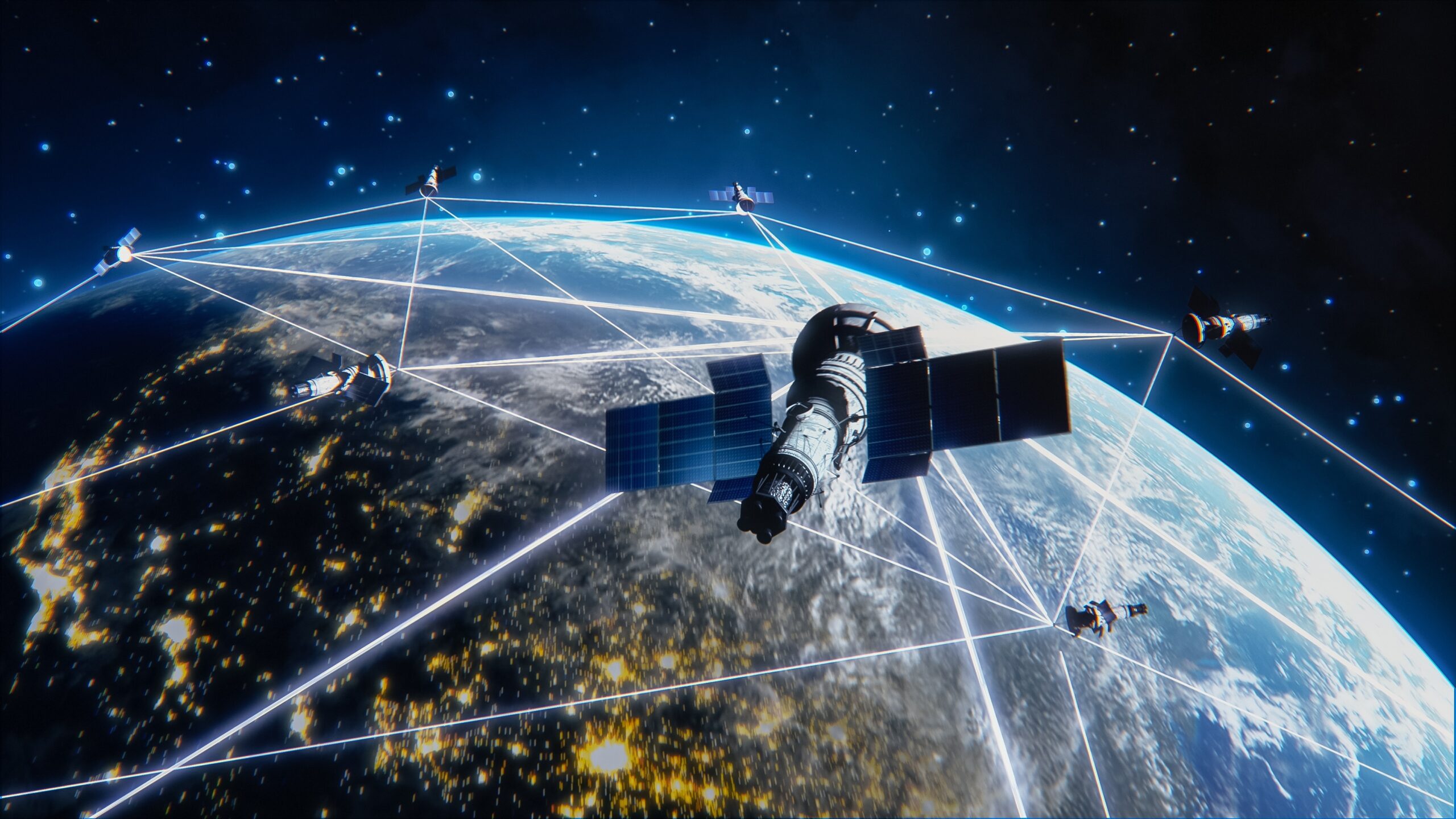
What’s new: The EU has released a tender for a study on the feasibility of using LEO communications satellites for “complementary” PNT.
Why its important: It is another way the EU is still working to consider a multiplicity of PNT sources. ESA and other EU components have been and are looking at everything from upgrading and linking fiber networks for timing, to improved eLoran receivers, to these kind of upgrades to space-based systems.
What else to know:
- The main page of the tender does not say what LEO is supposed to complement. It’s GNSS, of course. But PNT has become so associated with GNSS, it is almost as if they are the same thing, at least in many minds.
- The tender defines LEO + GNSS as ‘fused PNT.” Its not clear if they define complementing GNSS with other sources as “fused PNT” also.
- Systems engineering tells us that if something is really important, we should have three or more sources. Double, triple, or more redundancy to reinforce critical points of potential failure. Preferably the redundancies don’t share common failure modes.
- Submission deadline is 8 Dec 2025
- Thanks to Dr. Scott Pace at GWU’s Space Policy Institute for highlighting this tender for us.

EC-DEFIS/2025/OP/0030
Submission method
Electronic
Open For Submission
Description
The European Commission is launching a study on the potential use of communication-oriented LEO constellations for the deployment of a complementary PNT service. This approach is normally referred to as Fused PNT. This tender will focus on developing a user terminal prototype and a simulated environment enabling to assess the performance of Fused PNT under a realistic set of propagation conditions and inter-satellite interference. In this procurement, the main goals of the European Commission are:
- To develop a software receiver, supporting acquisition and tracking of 3GPP reference signals for Non-terrestrial networks (NTN)
- To model multipath channel and intersatellite interference, in order to test the software receiver under the realistic satellite based propagation channel and interferences;
- To consolidate and complement the part of the E2E emulator, by adding multipath and intersatellite interference models;
- To demonstrate the performance of fused PNT ranging in a representative simulated environment
- To validate the acquisition and tracking performance in realistic environment.
Estimated total value
385000 EUR