



Image: UrsaNav
What’s new: A proposal to establish an eLoran capability in Canada and three European Space Agency projects advancing the ability to use eLoran.
Why it matters:
- Canada has recently released its PNT Framework to address over dependence on GNSS. Canada has also been talking to the European Union about closer cooperation on geodetics and Galileo.
- The UK is establishing an eLoran network that will reach much of northern Europe. France has said it is joining in that effort. The three ESA projects describe eLoran as a complement to GNSS and way to provide PNT when signals from space are not available.
What else to know:
- The three ESA projects are under their Navigation and Innovation Support Programme (NAVISP). The program has previously supported eLoran projects like development of a miniaturized eLoran antenna for handheld devices and ESA has sponsored eLoran workshops.
- Nautel is a member of the RNT Foundation

(This Linkedin post was also reported on by GPS World)
Strengthening Canada’s PNT Resilience Through Sovereign eLoran Capability

stephen farley
Head of Sonar Division and Project Management at Nautel Limited
Canada’s PNT Resilience Framework
Canada’s newly released Positioning, Navigation and Timing (PNT) Resilience Framework recognizes that over-reliance on Global Navigation Satellite Systems (GNSS), including GPS, represents a growing national security, economic resilience, and critical infrastructure risk. The Framework specifically identifies the need for diversified PNT sources, sovereign Canadian capabilities, dual-use civil-defence solutions, and terrestrial PNT systems, including eLoran.
I believe Canada has a unique opportunity to establish a world-leading sovereign terrestrial PNT capability that complements GNSS and strengthens national resilience across transportation, telecommunications, energy, financial services, emergency response, and defence sectors.
Why eLoran Matters

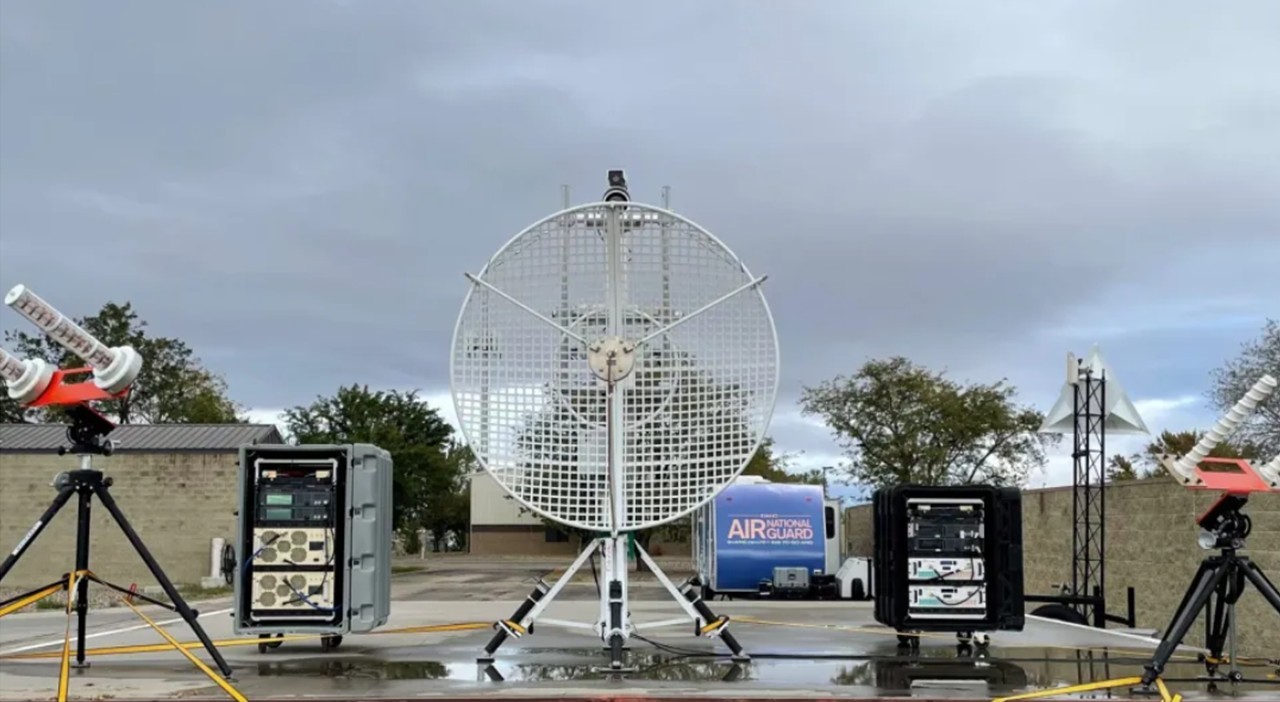
EL1-151 – Deployable tactical eLoran system
DESCRIPTION
The potential impact of GNSS disruptions on essential PNT services and applications at national and regional levels is receiving increasing attention.
Alternative PNT (A-PNT) technologies for critical infrastructure and essential services are being explored to ensure the required quality and continuity of service. Several countries worldwide have initiated efforts to assess and implement complementary, resilient PNT solutions to support and safeguard services currently reliant on GNSS.
EL1-152 – Signals of opportunity fused with eLoran for drone navigation
DESCRIPTION
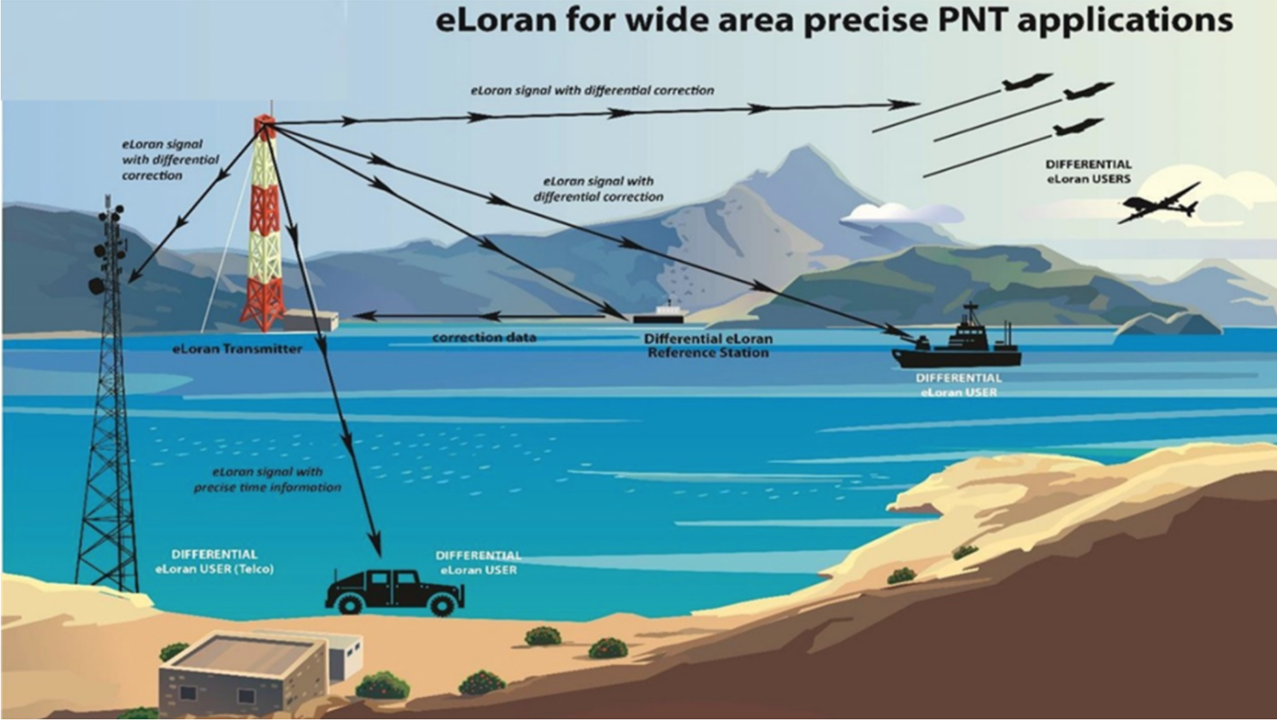
eLoran is the modernized successor to Loran-C: a terrestrial, low-frequency radio-navigation system using powerful ground transmitters around 90–110 kHz. Because its signals are high-power and at a very different frequency from GNSS, eLoran can provide resilient positioning and especially timing when satellite navigation is degraded or unavailable.
EL1-153 – User-Level Integrity Architecture for eLoran in Resilient PNT Systems
DESCRIPTION
The growing exposure of GNSS to jamming, spoofing, and space-weather effects underscores the need for complementary terrestrial PNT capabilities.
eLoran, as a high-power, low-frequency system that is inherently more resistant to jamming and spoofing than GNSS, is a strong candidate for integration into multi-layer resilient PNT architectures, especially as a means of transferring time.