




Image: Shutterstock AI
What’s new: An interesting article about Ukraine’s Lima system that jams and spoofs GNSS and apparently countering many of Russia’s best weapons including Oreshnik missiles. It also seems to indicate that many Russian weapons still rely on GNSS despite the availability of much stronger Chayka/eLoran signals.
Why it’s important:
- Interference with GPS/GNSS continues to be an important part of modern warfare.
- It also highlights the importance of adoption and integration of non-GNSS signals when they are available. – We have it on good authority that Russia’s Chayka (eLoran) signals are still available in Ukraine. And, according to a Stanford professor, these signals are exceptionally hard to jam or spoof. We also have it on good authority that both Russia and Ukraine are using those signals for some applications. BUT, if this report is accurate, it seems that at least some high-end weapons have not been adapted to use them.
- The article also highlights the importance of GPS/GNSS to daily life in Ukraine and elsewhere. Despite the constant threat of Russian drone and missile attacks, Ukraine forces do not interfere with GNSS 7/24.
What else to know: Not all media reports about PNT are entirely accurate. Sometimes reporters misunderstand and misreport. Sometimes, especially during armed conflicts, governments provide misinformation as part of their overall war effort.

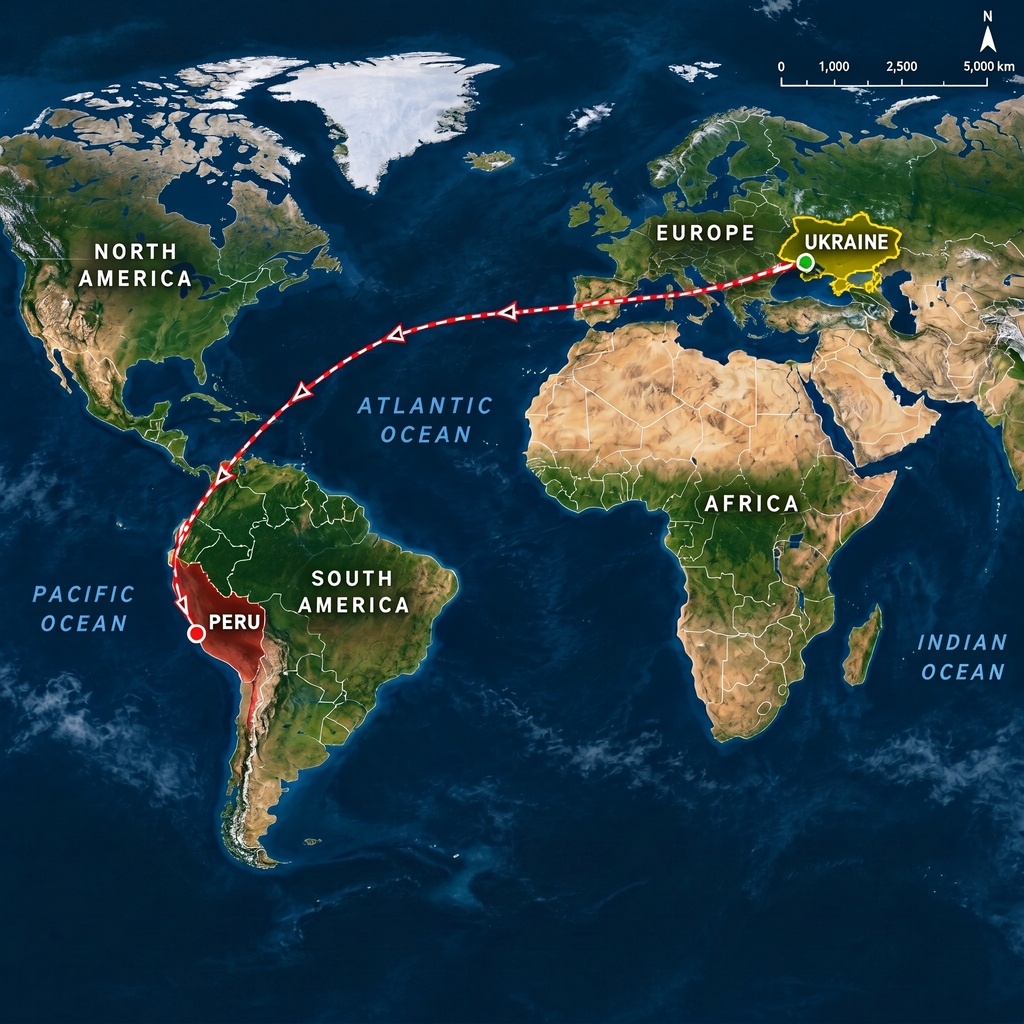
This Defense Makes Drones (and GPS) Think They’re in Peru
GPS-linked devices have been insisting that Ukrainians are in Lima, the Peruvian capital. The culprit is a jamming system built to thwart Russian airstrikes.
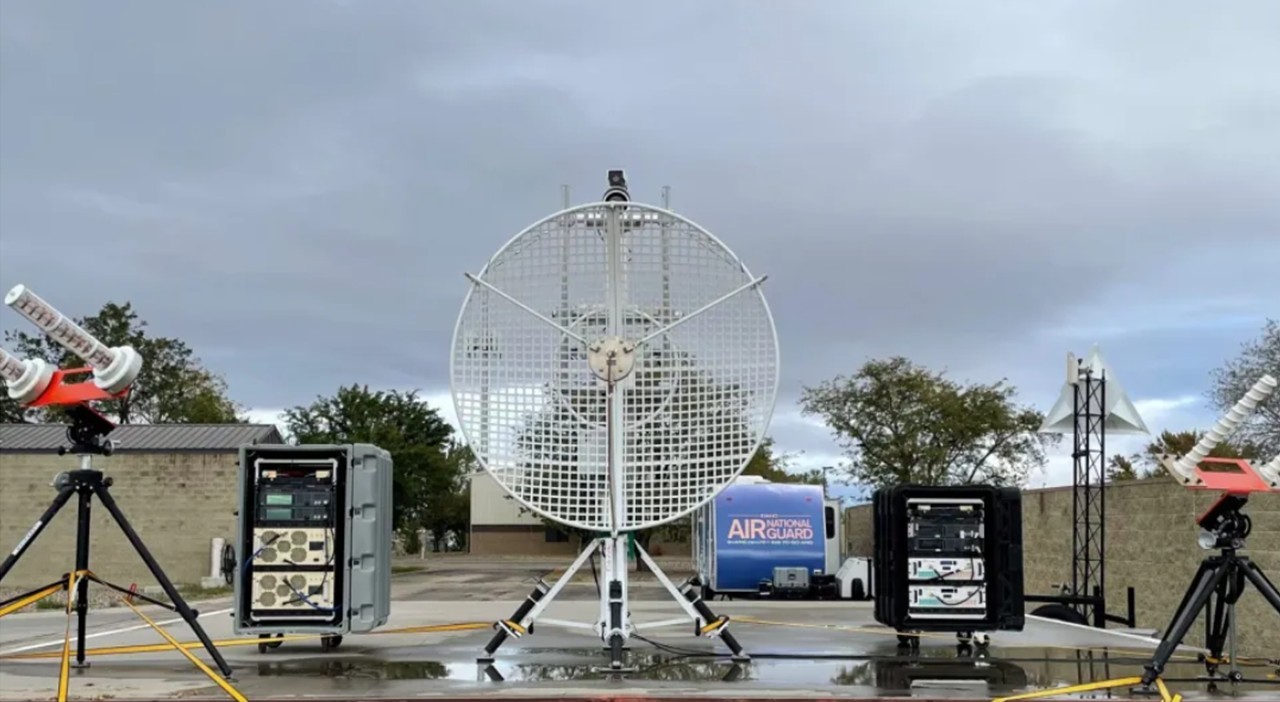
The S.U.V. in front of us suddenly pulled over. The driver had been trying to lead us to antennas near Kyiv, the Ukrainian capital, that scramble the signals of Russian drones and missiles, but his GPS had gone haywire.
“Apologies. Some technical issues,” texted Serhii, a spokesman for Cascade Systems, the Ukrainian defense company that made the system. He asked that only his first name be used, out of concern for his safety.
We should have known: The S.U.V.’s navigation system had decided that the vehicle was in Lima, Peru, 7,628 miles southwest of Kyiv.