



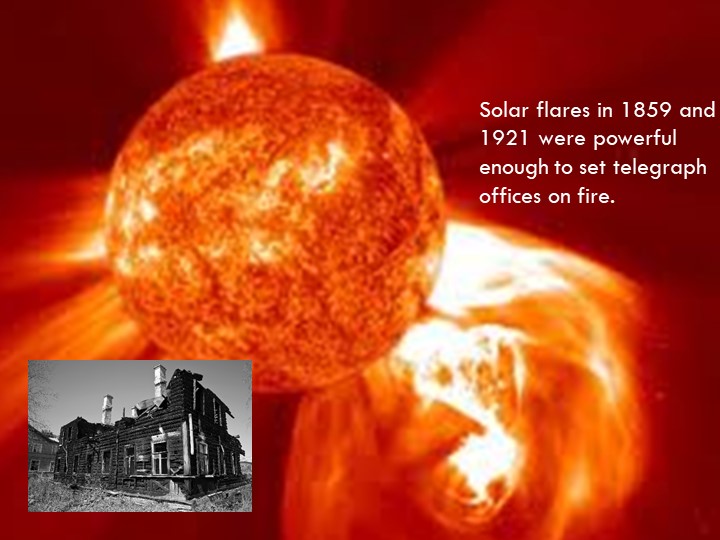
Image: NASA and Shutterstock
What’s new: A paper from the Royal Aeronautical Society. The topic isn’t exactly new, but it has been a while since we have mentioned it as a huge threat to satellites, signals, and users.
Why it’s important:
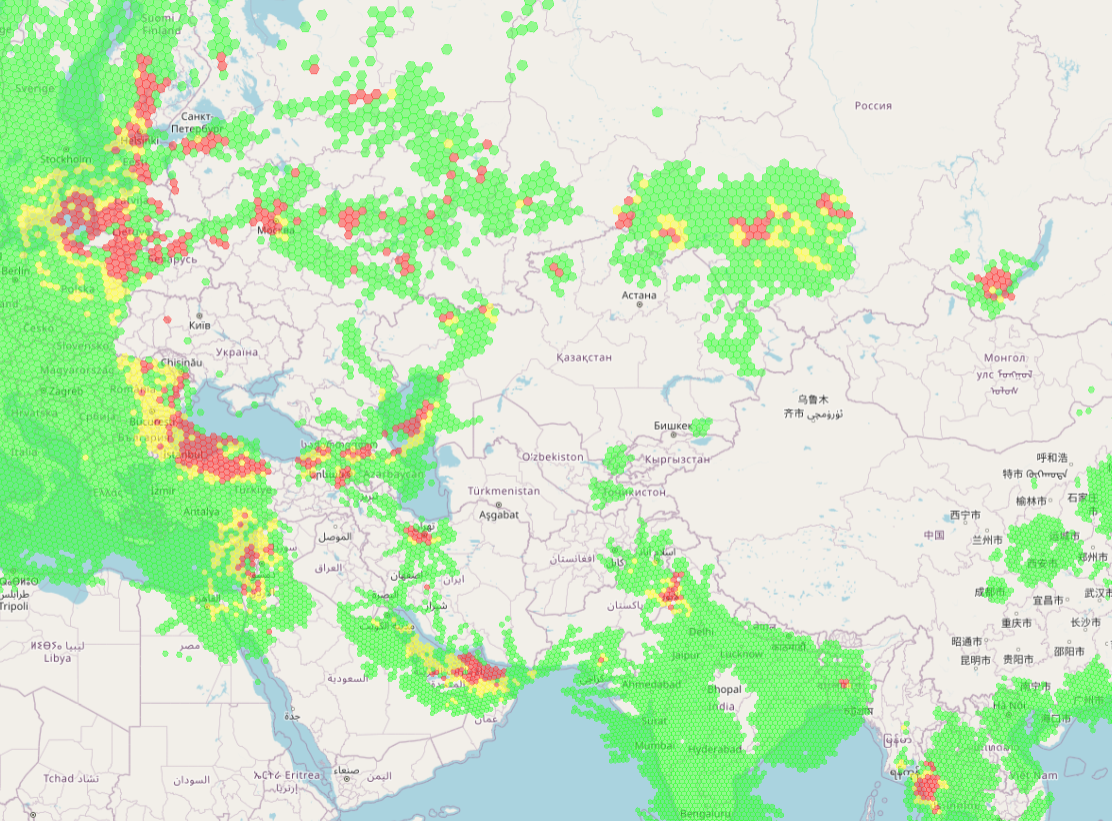
- GNSS is essential to most societies and important to all. Yet extreme solar activity can deny signals and, worst case, damage satellites.
- Electrical grids and other tech are also essential and vulnerable. Many nations have not taken precautions and don’t have spare equipment to replace what might be damaged.
What else to know:
- The first mention of GNSS disruption in the UK Risk Register was in 2012 in conjunction with severe solar activity.
- If you search for “solar” on the RNT Foundation website, you will find quite a few references.
- This is another topic for which there is a lot of information available about the threat and what should be done, but it does not appear that much action has been taken to prevent massive damage when the ax falls, as it surely will.
- We really dislike being doomsayers all the time. But:
- We know some bad things will happen eventually.
- Yet it seems very difficult for people to act before bad things happen to either prevent or mitigate impacts. A preverse aspect of human nature.
- An example – There were over 140 commercial aircraft hijacked before 9-11. Yet few countries took concrete steps to improve airline security, or even reinforce cockpit doors, until after the twin towers fell and the world changed in very bad ways.
- The impact of a really severe solar event will be so much worse.
- We joined the Scouts at age 7 – motto “Be Prepared” – and spent 40 years in the US Coast Guard – motto “Semper Paratus” (Latin for “Always Prepared”). So that’s probably our problem…

The solar storm of the century is overdue. Are we ready for it?
With modern society increasingly dependent on space-based infrastructure, this has created a new vulnerability to the most powerful magnetic space weather. TEREZA PULTAROVA looks at what happens to satellites when the Sun loses its cool.
The Sun has been merciful to the Earthlings since electricity-powered technology took over the planet in the 19th Century. Scientists know that one day, the life-giving star will show us its teeth – what they do not know is how much havoc that will wreak on our technology-dependent civilisation.
May 2024 had space weather forecasters on the edge of their seats. A massive cluster of sunspots – dark, magnetically dense areas on the Sun’s surface – emerged from below the solar limb on the last day of April. Within a week, it had doubled in size, exceeding the diameter of 15 Earths. The sunspot, or Active Region (AR) 3364, was the biggest space-weather forecasters had seen in years. After an exceptionally quiet period, the Sun was just reaching the most active phase of its 25th recorded cycle, which was turning out to be much more intense than forecasters had predicted.