



War in Space? The US has to be ready – Washington Post

October 28, 2026

Written by Editor

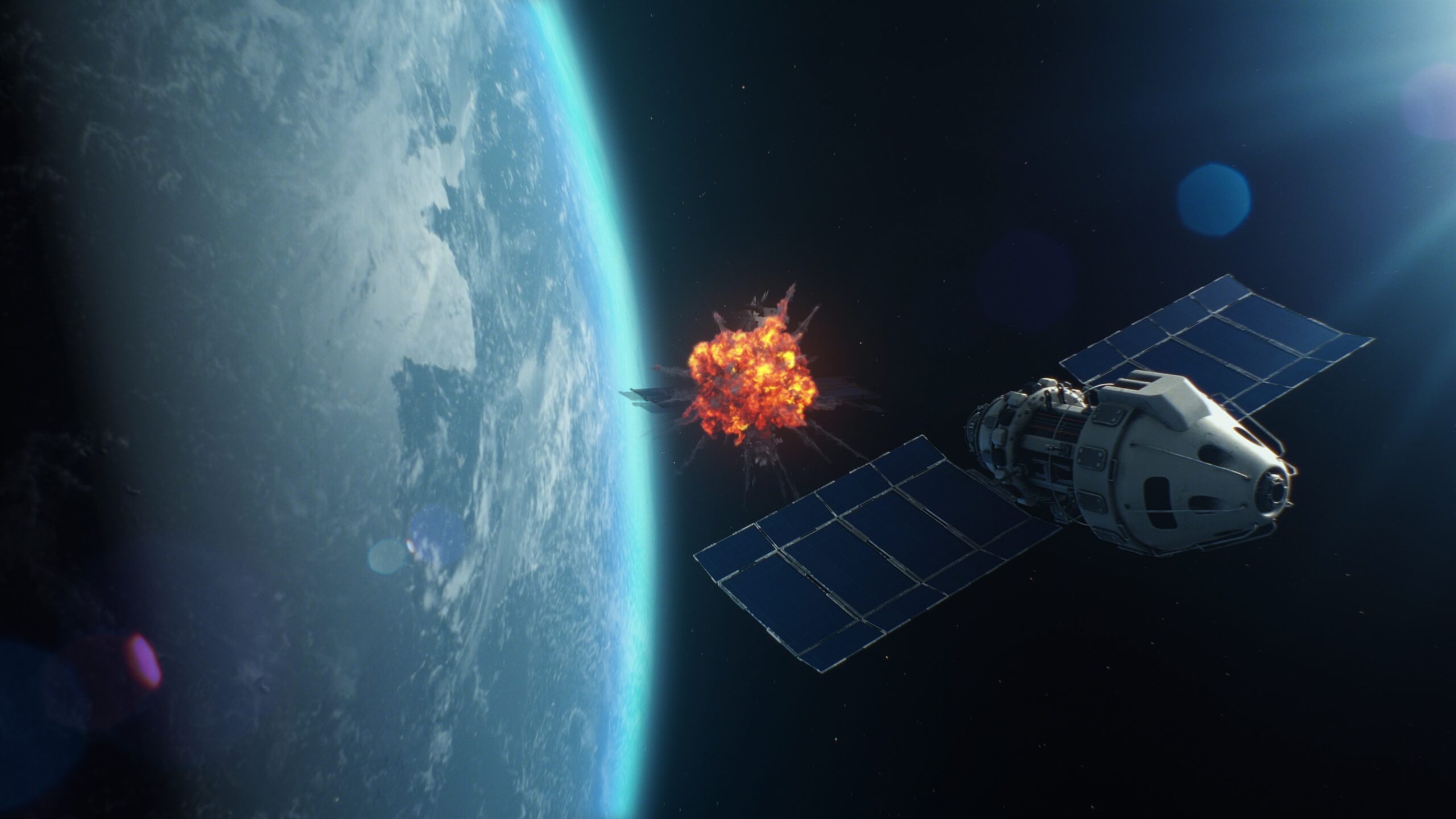
Image: Shutterstock

What’s new: An Op-ed by former Space Force Vice Chief of Operations Gen. Donald Thompson (USSF ret.) explaining why the U.S. must have weapons in space.

Why it’s important: The ideal is for space to be a peaceful, non-weaponized domain. But it is not. The U.S. is more reliant on space than any other nation and has the greatest need to protect those interests from other existing weapons in space.

What else to know:

  • It can be hard to tell what is a space weapon and what isn’t. For example, a Chinese satellite grabbed one of their defunct satellites and flung it into a graveyard orbit. Was that eliminating space debris or demonstrating a weapon? Maybe both?
  • Gen. Thompson is a great guy, but he used the $1B/day number for the economic impact of losing GPS from an old study that has been discredited. The U.S. economy is $88B/day so a $1B degradation is only a bit more than 1%. Losing GNSS would be a near existential crisis for the U.S. and put us far behind China, Russia, South Korea, and others who have ready access to terrestrial systems.  Hard to put a number on that, but if we had to, maybe a COVID-like degradation of $25B/day…

 

Opinion

War in space? The U.S. has to be ready.

American forces must be prepared to fight and win in every theater.

By DT Thompson

DT Thompson is a senior principal adviser at Elara Nova and former vice chief of space operations at the U.S. Space Force.

Last month, Air Force Secretary Troy Meink acknowledged for the first time that the United States has “on-orbit space control weapons” built to protect U.S. satellites and deny adversaries the use of their space systems. The statement was necessary and overdue and should not have come as a surprise. Critics who called Meink’s announcement destabilizing misunderstand his intent and the role of America’s armed forces.

READ MORE


What Can YOU Do? How Can YOU Help?

PNT is the quiet backbone of everything but too many leaders still don't see the risk.

But you do. You understand the systems, the dependencies, the failure chains. That insight is rare — and it's exactly what your country needs right now. Contact your government leaders and industry decision-makers and tell them resilient PNT isn't a feature — it's the foundation everything else depends on.

Start the Conversation

Use our Resilient PNT Key Talking Points to make the case.

U.S. Advocates

Find your representatives at Congress.gov, then use our email template to reach them in minutes.

When you get a response, let us know. Every conversation strengthens the mission.