




Image: Shutterstock
What’s new: An item from the European Space Agency about GNSS interference monitoring that describes three “new” methods.
Why it’s important: Before you can properly solve or mitigate a problem you have to know it exists and sufficiently understand it.
- At a strategic/system level authorities need to know the problem’s extent and characteristics in order to develop new rules and technologies.
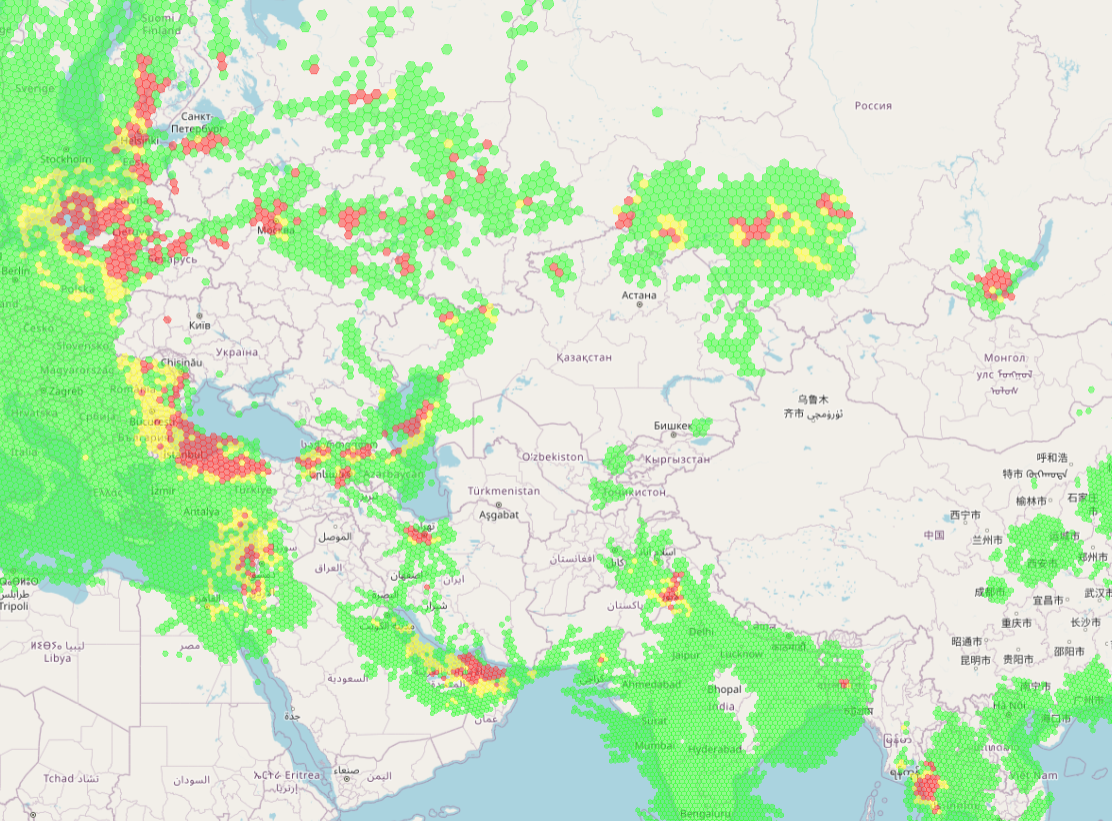
- At a tactical level authorities and impacted users need to know when and where disruptions are occurring so that (a) enforcement can respond, terminate the interference and sanction offenders, and (b) users can act to protect themselves while interference is extant.
What else to know:
- We are not sure that authorities and users need more information about interference than they have right now. Creating a monitoring network wouldn’t be a bad thing, but would it mostly be admiring the problem rather than solving it?
- Also, we are not sure how “new” these monitoring methods are. For example, using telecommunication base stations was proposed in two presentations to the US PNT Advisory Board ten years ago.
- The article demonstrates, once again, that plenty of technology exists to help address the problem. In our minds, the real questions are:
- Will anyone pay to implement an interference monitoring system?
- If so, how will it be used to make people safer and reduce interference (not necessarily the same thing)?

No signal left behind: new ways to detect jamming and spoofing
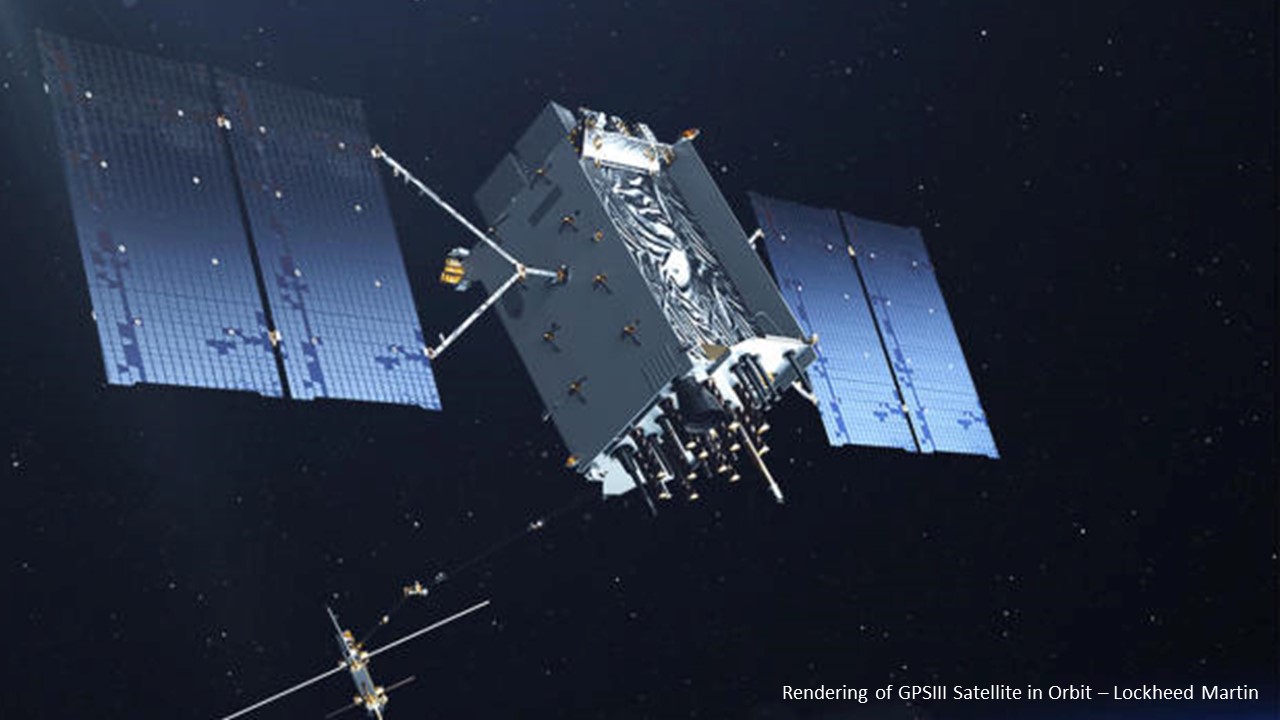
Global Navigation Satellite Systems (GNSS) are an invisible backbone for everyday life. They are essential for transportation, emergency response and public safety. They are also vulnerable to interference, both natural and human made.
As our dependence on GNSS grows, the European Space Agency (ESA) is working hard to ensure satellite navigation systems are resilient and is supporting companies and Member States in finding new ways to detect interference.