



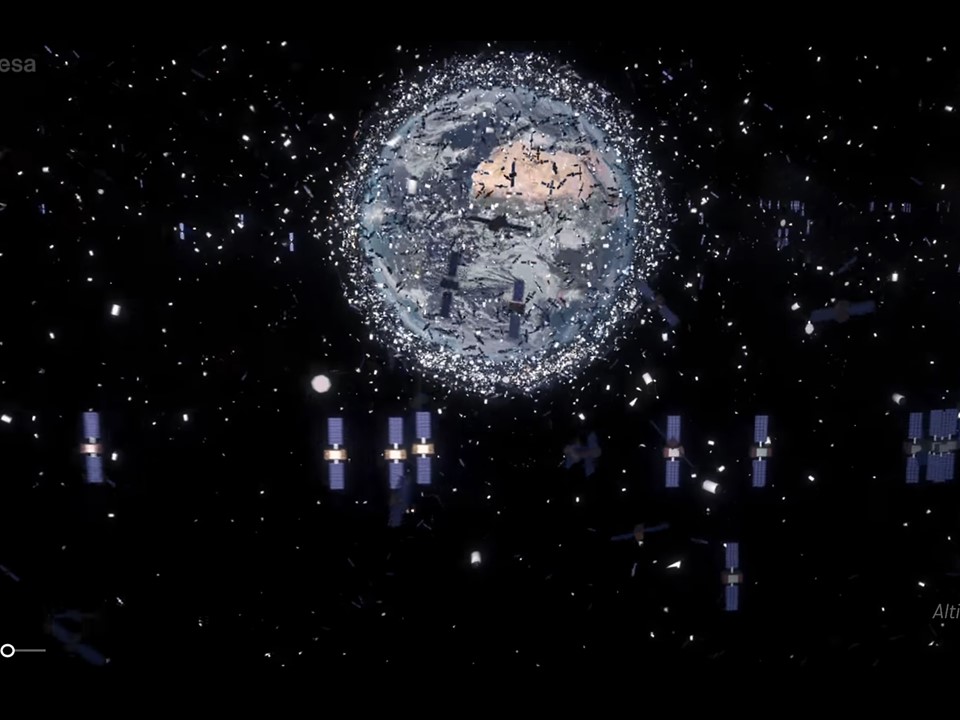
Image: European Space Agency
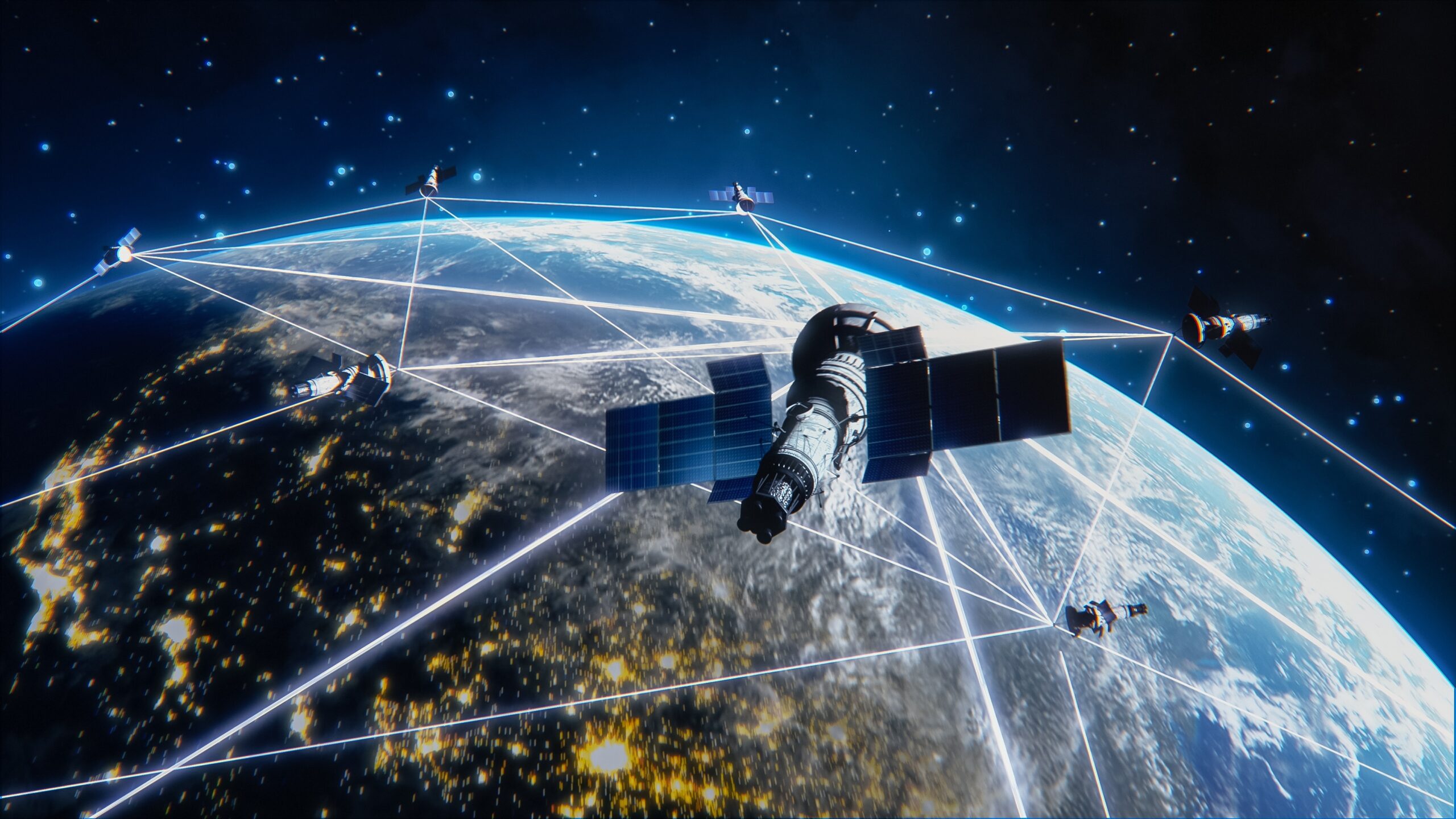
What’s new: Increasing concerns about the lack of Space Situational Awareness, and the potential for catastrophe with all the satellites being placed in low earth orbit where there are already tens (if not hundreds) of thousands of pieces of space debris.
Why it’s important: We want to keep space systems viable. Increasing congestion makes the Kessler Syndrome more likely. The syndrome is an increasing cascade of collisions that destroys most, if not all, satellites in LEO, and makes it very dangerous or impossible to transit to MEO and higher.
What else to know:
- Similar concerns this week: 2.8 Days to Disaster: Low Earth Orbit Could Collapse Without Warning – SciTechDaily 2026
- Bezos is doing the same thing as Musck: “Bezos’ Blue Origin to deploy thousands of satellites for new ‘TeraWave’ communications network“
- Have We Reached a Space-Junk Tipping Point? – IEEE Spectrum 2025
- Has the Kessler Syndrome already begun? 2024 Aerospace America article
- Satellites miss each other by less than 20 meters – LeoLabs in 2024
- How many satellites can we safely fit in Earth orbit? Space.com in 2023
- This seems to be another example of human beings not being able or willing to act in their long term best interest over short term gain.

Starlink’s new FCC approval for 7,500 more satellites aims to boost service and capacity for millions. But at what cost?

The Federal Communications Commission just gave Starlink the green light to vastly expand its mega-constellation of satellites, which could potentially bring millions of Americans faster internet.
But the scientists I spoke with are sounding the alarm, saying that 7,500 more satellites in uncharted orbits could have wide-ranging consequences, including negatively affecting Earth’s atmosphere.