


Image: European Space Agency

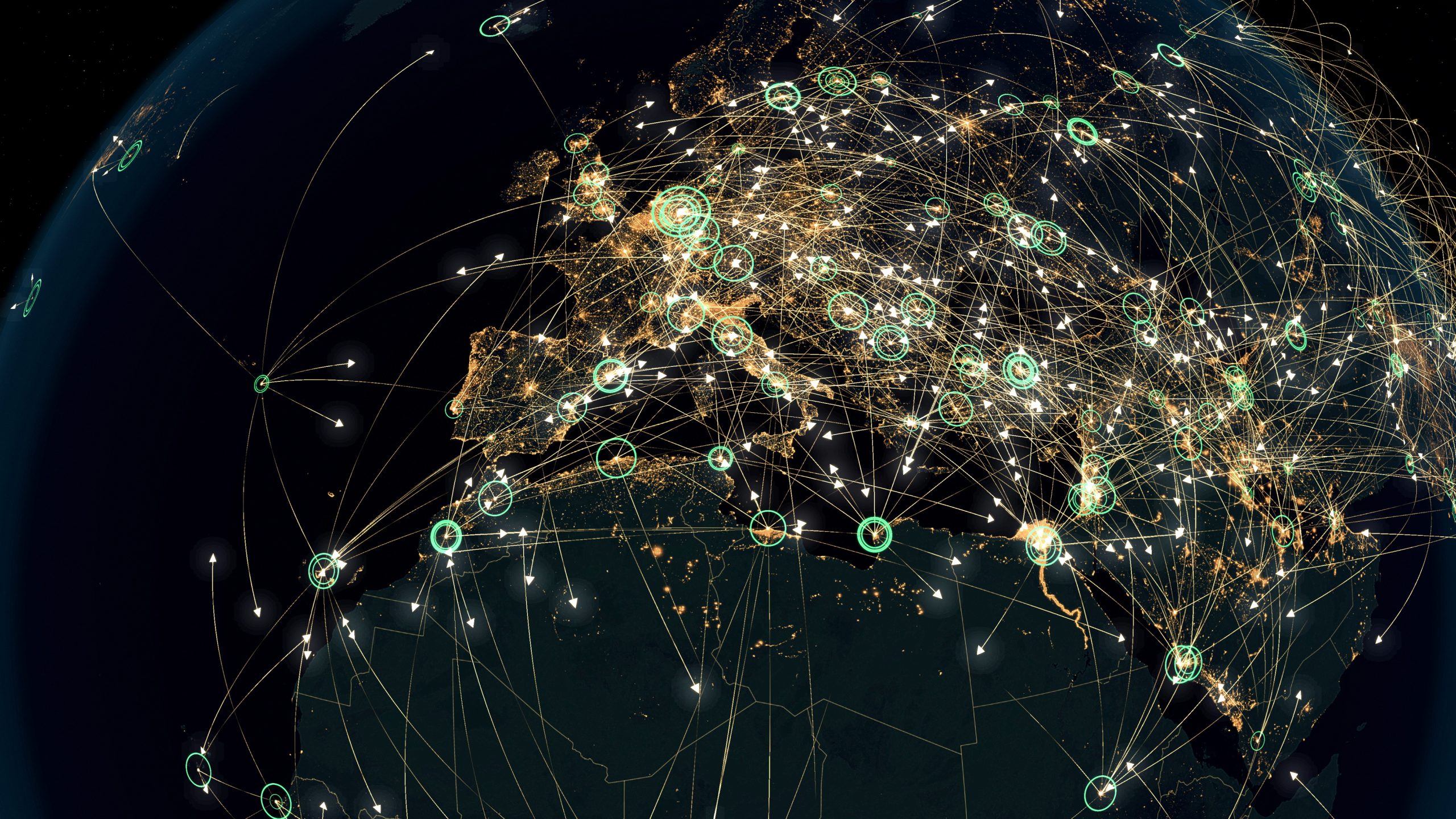
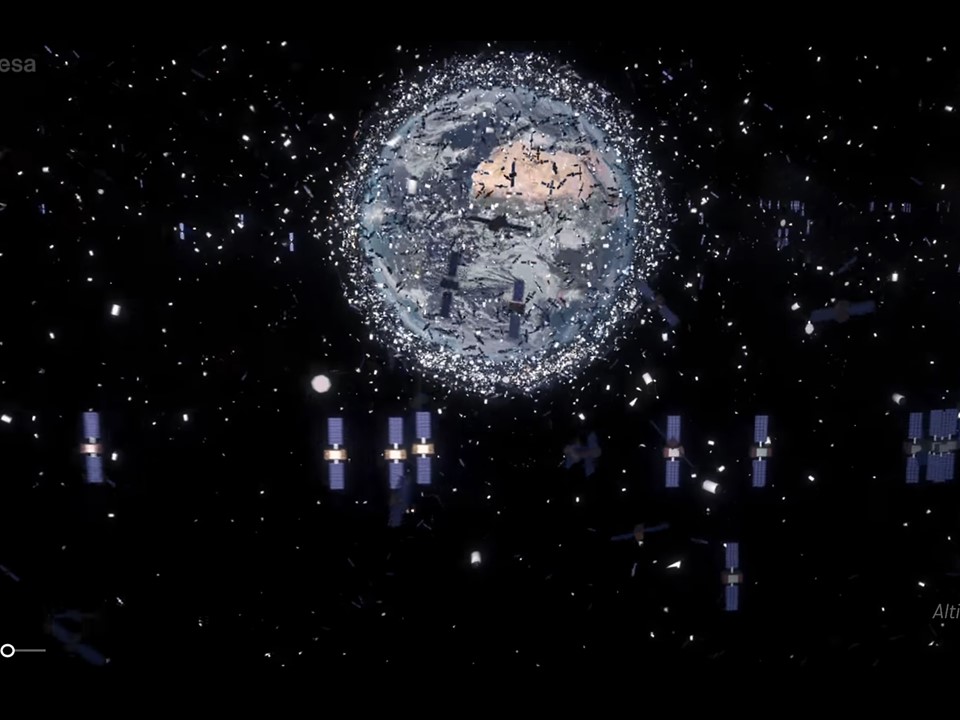
What’s new: Increased concern about space becoming so filled with debris that it is no longer possible to safely use it, or even transit through low earth orbit. We would be trapped on Earth.

Why it’s important:

  • Space and satellites are incredibly important and useful, especially to high tech societies and the West
  • The West’s adversaries have space capabilities, but they do not rely on them as much.
  • Denial of space would be a huge blow to scientific and technological progress. It would also force a rapid, expensive, and disruptive re-tooling of many systems.

What else to know:

  • Space suffers from the tragedy of the commons.” Everybody wants to use it, no one is in charge, it gets despoiled. Everyone acts in their own self interest, and eventually everyone suffers. The oceans and cyberspace are good examples.
  • This article and one we posted a while back assert the Kessler Syndrome has already begun.
  • Tomorrow we are going to post a piece about how the space junk threat can be lessened.

 

Have We Reached a Space-Junk Tipping Point?

In some orbits, the Kessler syndrome is already underway

Low Earth orbitwhere most satellites operate, has become a whirlwind of metal shards and dead, tumbling debris.

Anyone with hardware or human crew in orbit knows the drill. Orbital collision warnings can be unremitting. Whether the object is a defunct satellite or a stray hunk of glass from a solar panel that shattered long ago, every item circling Earth is also a potential projectile. And nearly all of this junk, traveling at least eight times as fast as a rifle bullet, can be damaging in a collision. SpaceX’s Starlink satellites maneuvered around possible debris impacts 144,404 times over the first half of 2025. That’s a collision warning every couple of minutes, night and day, for six months straight—three times the rate of the previous six months. Looming on the horizon, too, is the threat of orbital junk overwhelming satellites’ ability to dodge disaster. Each collision then creates more fragments, in a runaway cascade that turns low Earth orbit into a hazard zone.

READ MORE