



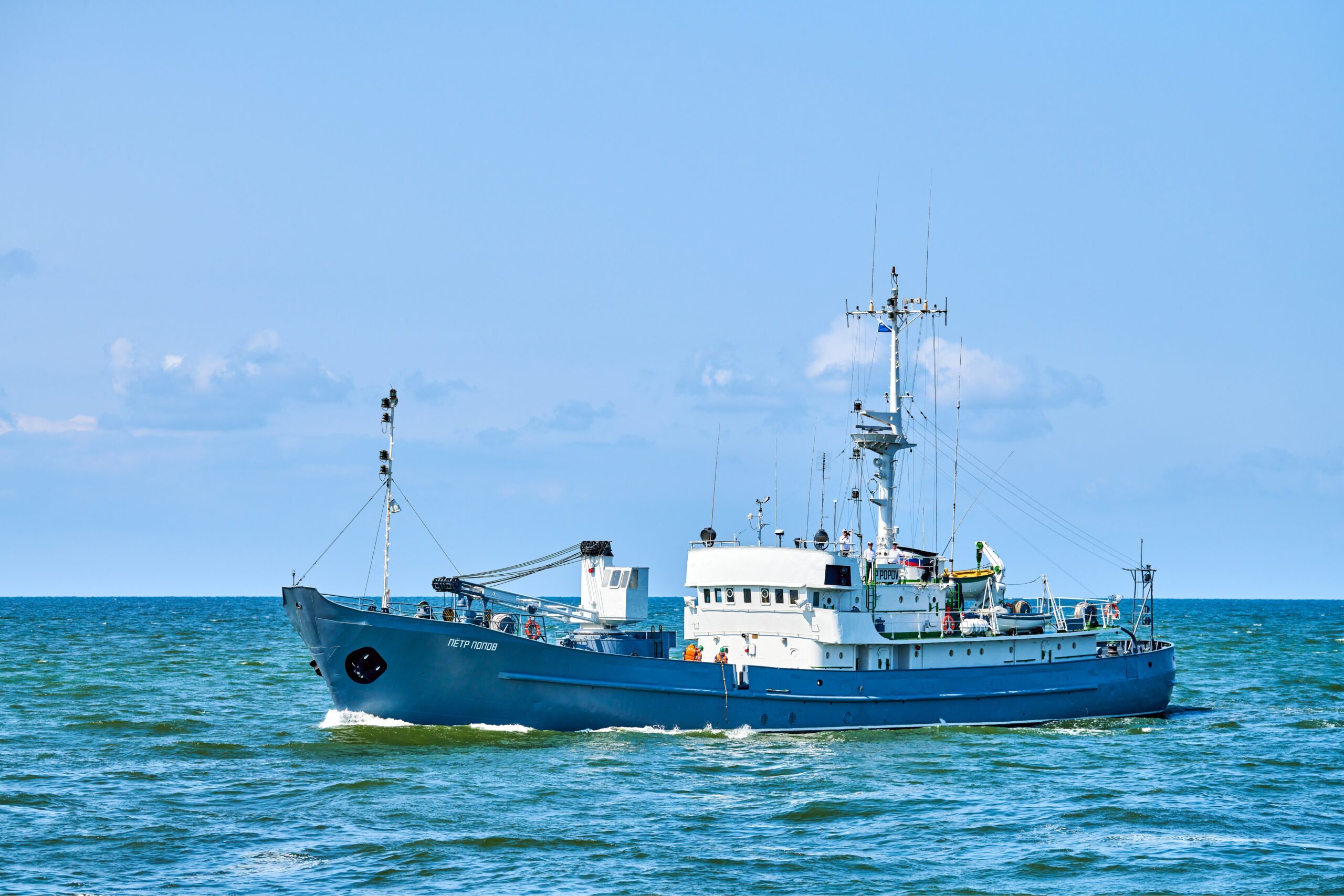
Image: Russian “research vessel” travelarium.ph / Shutterstock.com
What’s new: A Royal Navy report of Russian vessels sailing close to the U.K.’s shores. A “research vessel” was jamming GPS signals and pointing lasers at patrol aircraft.
Why it’s important:
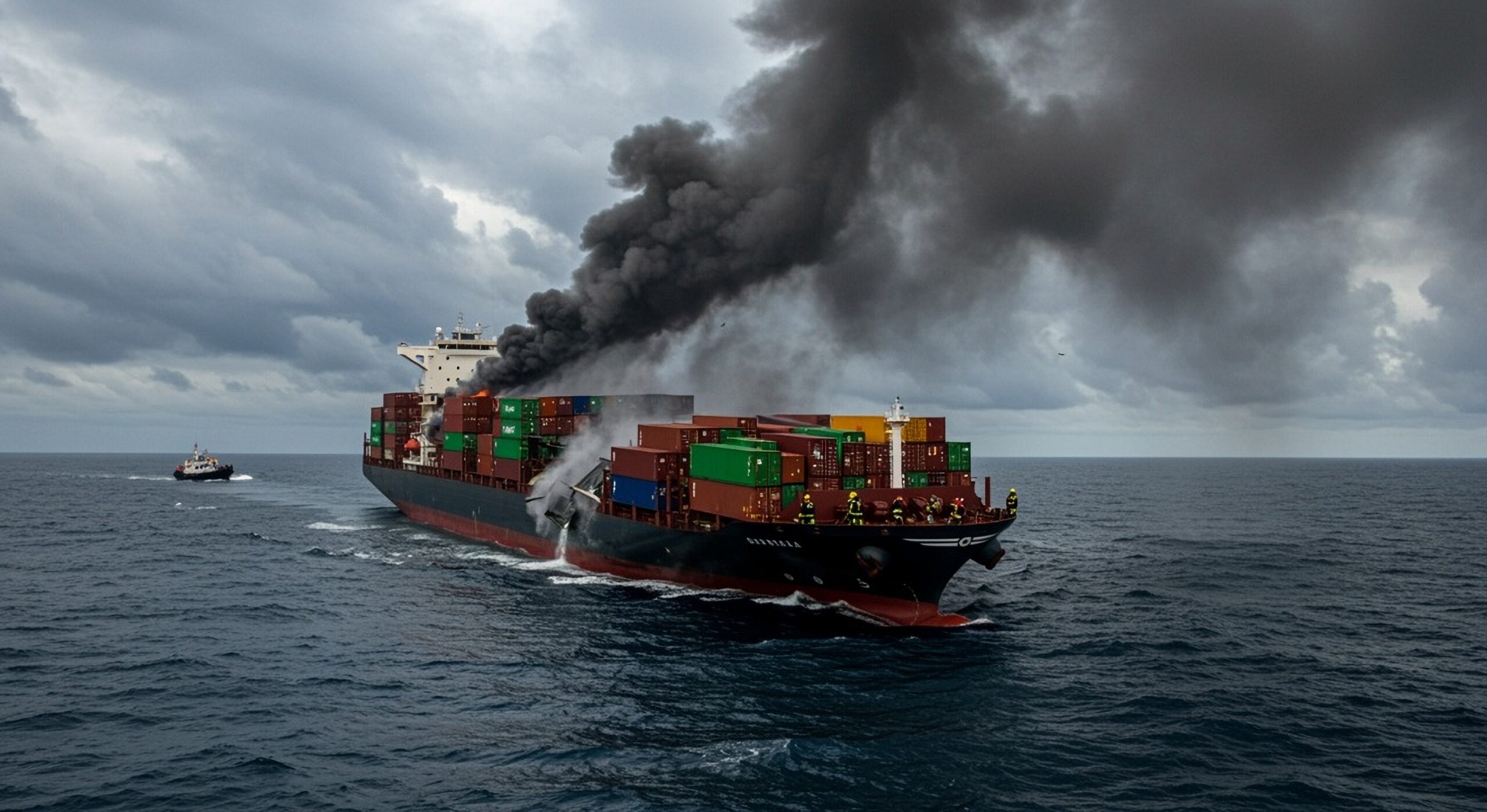
- Other vessels in the vicinity that were not Royal Navy were impacted by the GPS jamming. Jamming has caused collisions, groundings, and fires at sea.
- Even low power lasers can temporarily blind pilots. It is against the law in most countries and against international law to direct lasers at aircraft.
What else to know:
- A nation’s territorial sea typically extends 12 nautical miles off its coast. But ships of other nations are allowed to sail through these waters in “innocent passage” which means no fishing, mineral exploitation, military exercises, etc.
- Also in “international straits,” like the Dover Strait in this case, all ships have the right of transit, but it must be “continuous and expeditious.”
- Russian “research vessels” sometimes have lots of fancy antenna and are clearly well equipped with electronics. Many times, though, they look like fishing vessels or some other, more innocent craft, like the one depicted above.

Royal Navy shadows another Russian warship in busy fortnight of activity around UK waters
Russian naval activity close to the UK has prompted a coordinated response by the Royal Navy and Royal Air Force in the past two weeks.
HMS Severn intercepted the Russian corvette RFS Stoikiy and the tanker Yelnya as they transited the Dover Strait, maintaining continuous overwatch as the pair moved west through the English Channel. The patrol ship later handed over close monitoring duties to a NATO partner off Brittany, while remaining on task and ready to react to any unexpected manoeuvres.