



Climate pollution is making GPS and communications satellites even more vulnerable to solar storms – CNN

August 18, 2025

Written by Editor

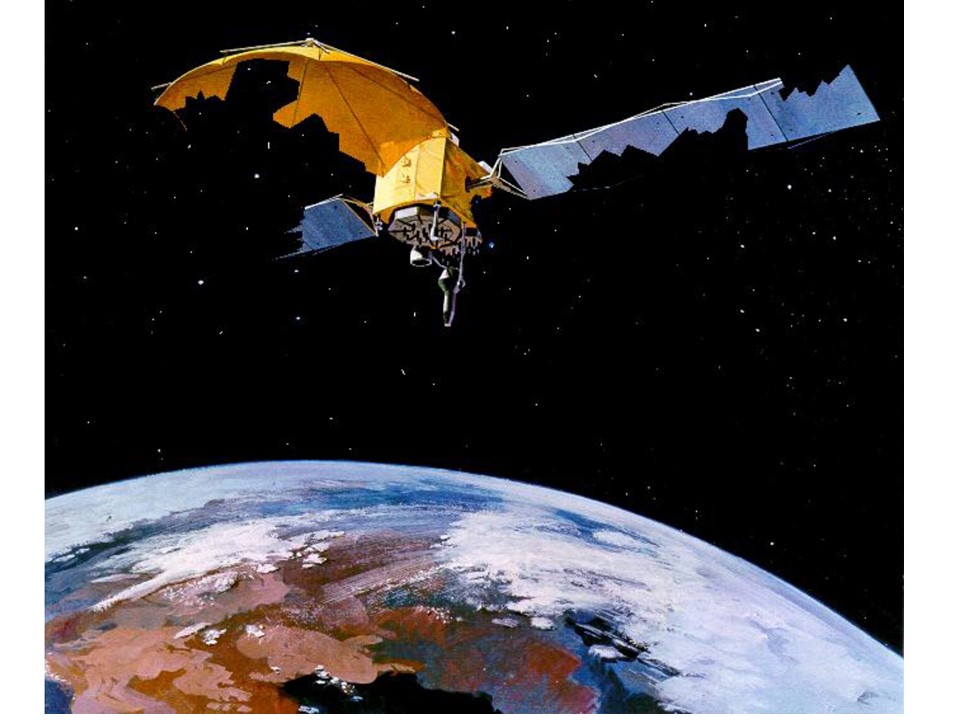
Image: John Hartzel

What’s new: A study about the interaction of climate change and satellite orbits.

Why its important: There are a lot of threats to GPS, including severe solar activity. Severe solar activity, while inevitable,  has always been considered, and still is, low probability but very high impact. This study shows the probability edging up a bit.

What else to know: 

  • July of this year saw solar maximum for the current 11 year cycle. The time when the sun is generally the most active.
  • BUT major eruptions like the Carrington Event seem to be independent of the solar cycle according to experts at the National Center for Atmospheric Research at University of Colorado, Boulder.
  • There are many varieties of intense solar activity. Some can damage electronics, some can push satellites out of orbit, etc.

 

Satellites, including those used for GPS and communications, will face greater risks in coming decades during solar-triggered geomagnetic storms because of the effect climate pollution has on Earth’s atmosphere, a new study found.

The increasing volume of planet-warming carbon dioxide in the upper atmosphere is likely to make the air less dense, while geomagnetic storms have the opposite effect: The ensuing rapid changes in density as a result could cause serious troubles for satellite operations.

This study, published in the journal Geophysical Research Letters, comes at a time when the world is growing more dependent on satellite networks for everything from internet access to navigation, as well as military applications.

READ MORE

What Can YOU Do? How Can YOU Help?

PNT is the quiet backbone of everything but too many leaders still don’t see the risk.

But you do. You understand the systems, the dependencies, the failure chains. That insight is rare — and it’s exactly what your country needs right now. Contact your government leaders and industry decision-makers and tell them resilient PNT isn’t a feature — it’s the foundation everything else depends on.

Start the Conversation

Use our Resilient PNT Key Talking Points to make the case.

U.S. Advocates

Find your representatives at Congress.gov, then use our email template to reach them in minutes.

When you get a response, let us know. Every conversation strengthens the mission.

More PNT News

New Company for Broadcast Positioning System – NAB

New Company for Broadcast Positioning System – NAB

Image: Shutterstock What's new: The National Association of Broadcasters (NAB) has formed a separate company to develop, advocate for, and deploy the Broadcast Positioning System (BPS). Why it's important: NAB has put increasing effort behind BPS since its inception...

Standalone Magnetometry Is the New GPS – IEEE Spectrum

Standalone Magnetometry Is the New GPS – IEEE Spectrum

Image: Shutterstock What's new: An article about forms of navigation using aspects of the earth's magnetic field.  Why it's important: Autonomous navigation is becoming more interesting for a number of applications in a world where interference with GNSS is becoming...

Munich 9 Years On: Same Message, More Urgency – Inside GNSS

Munich 9 Years On: Same Message, More Urgency – Inside GNSS

Image: Shutterstock What's new: RNTF President Dana Goward's column for the May/June edition of Inside GNSS+. Why it's important: It discusses a PNT example of how concern within the tech community does not necessarily turn into action by political leaders. Or at...

US Congress hearing on PNT –  June 4th

US Congress hearing on PNT – June 4th

Image credit: House Energy and Commerce Committee What's new: A congressional hearing titled Where Are We?: Examining Positioning, Navigation, and Timing Capabilities in the United States. Why it's important:  The hearing is being held by the Communications and...

Get PNT News in Your Inbox