



A GPS Blackout Would Shut Down the World – Wired

June 4, 2025

Written by Editor

Image: Shutterstock

What’s new: A comprehensive article in Wired that discusses the need for government leadership a lot more than most similar pieces.

Why it’s important: Government leaders’ concern, and most importantly action, are the only way the U.S. or any other nation will be able to address this problem.

What else to know: The article quotes a senior official from the Biden administration and proclamations from the last and current Trump administrations. Yet we have not seen significant actions to address the problem.

 

GPS jamming and spoofing attacks are on the rise. If the global navigation system the US relies on were to go down entirely, it would send the world into unprecedented chaos.

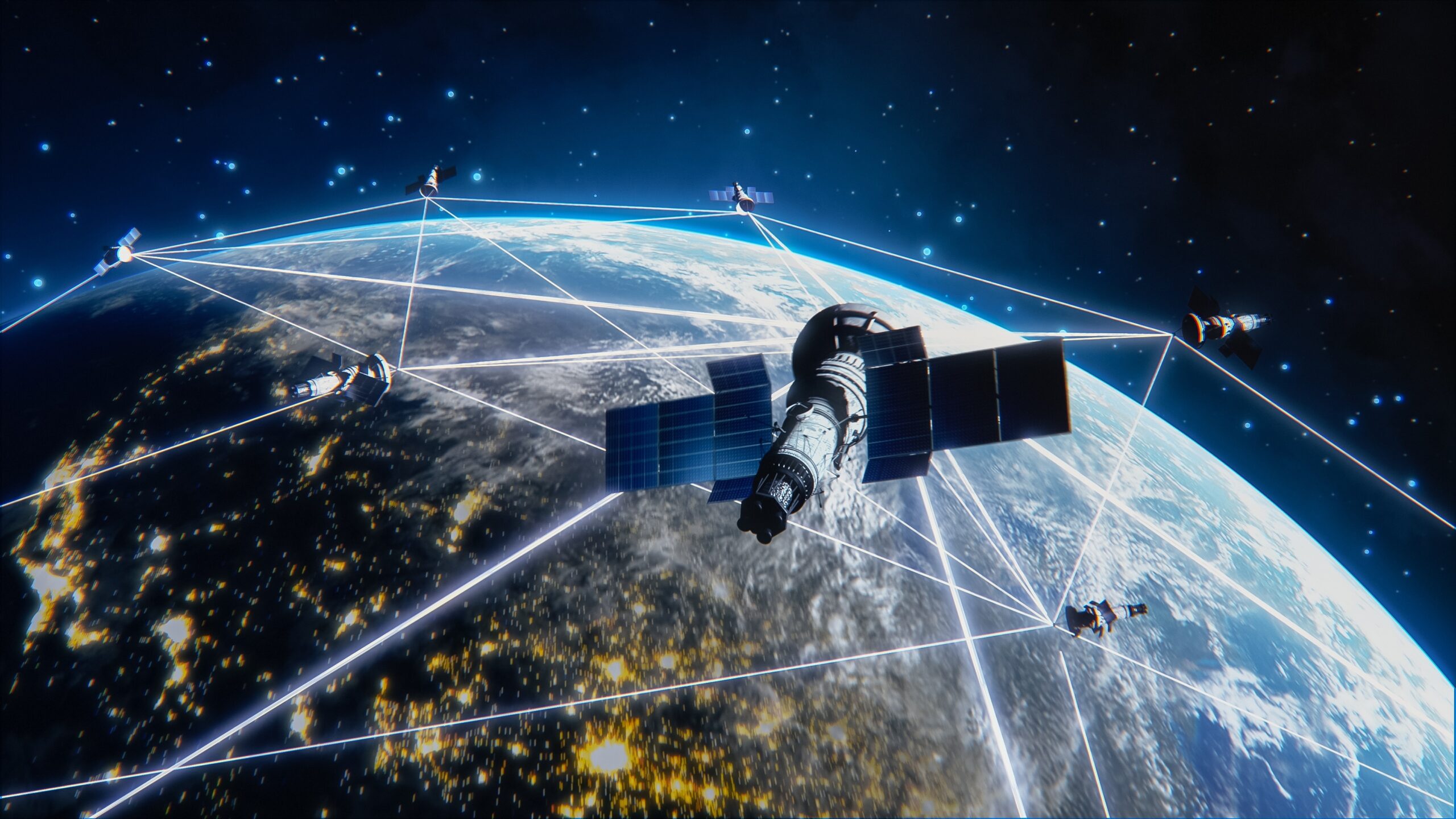
Around 12,500 miles above our heads, the satellites that make up the Global Positioning System (GPS) quietly keep the world running. A blackout would result in almost instantaneous chaos.

“You would see traffic jams, a lot more traffic accidents, because transportation is going to see the first most immediate impact,” says Dana Goward, the founder of the Resilient Navigation and Timing Foundation, a charity which works to strengthen GPS.

Thousands of planes in the air, which use GPS among other systems for navigation and precision landing, would face a wave of uncertainty. Then other critical parts of society—from financial transactions to energy production systems—which have come to rely upon the precision positioning, navigation and timing (PNT) provided by the US-owned constellation of 31 GPS satellites may start to stutter. The ripples would be felt around the world.

READ MORE

What Can YOU Do? How Can YOU Help?

PNT is the quiet backbone of everything but too many leaders still don’t see the risk.

But you do. You understand the systems, the dependencies, the failure chains. That insight is rare — and it’s exactly what your country needs right now. Contact your government leaders and industry decision-makers and tell them resilient PNT isn’t a feature — it’s the foundation everything else depends on.

Start the Conversation

Use our Resilient PNT Key Talking Points to make the case.

U.S. Advocates

Find your representatives at Congress.gov, then use our email template to reach them in minutes.

When you get a response, let us know. Every conversation strengthens the mission.

More PNT News

“We can track Starlink users…” – Fast Company

“We can track Starlink users…” – Fast Company

Image: Shutterstock What's new: A report that multiple companies are offering governments the ability to geolocate Starlink terminals.  Why it's important: Security concerns - an adversary could target, kidnap, kill, etc. users. Privacy concerns - user location data...

Honeybees teach drones how to navigate without GPS – Cybernews

Honeybees teach drones how to navigate without GPS – Cybernews

Image: Shutterstock What's new: An interesting form of autonomous navigation based on nature. Why it's important: Autonomous systems have an important place in an overall PNT architecture. For some applications they are the best/only method. This system uses just 42...

PNT cyber guidance update – NIST wants your input

PNT cyber guidance update – NIST wants your input

Image: RNT Foundation What's new: Draft updated PNT cyber guidance from NIST. They are seeking public comment and input. Why it's important: PNT and cyber are well intertwined. PNT is an essential tech infrastructure so protecting it from malicious cyber effects is...

GPS Is Not Guaranteed: Impact on ports (Webinar 21 May)

GPS Is Not Guaranteed: Impact on ports (Webinar 21 May)

Image: Shutterstock What's new: A webinar featuring our colleague Matt Shirley. Matt is a professional port pilot and has some interesting insights on maritime reliance on GPS/GNSS, how things could go wrong without resilient PNT, and how things could go better with...

Get PNT News in Your Inbox