



North Korea Jamming GPS in the South…again

April 1, 2016

Written by Editor

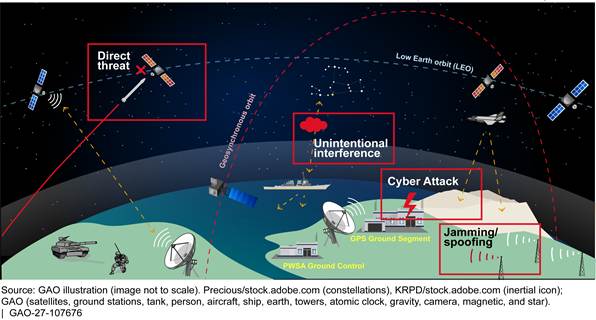
South Korean officials have reported that their neighbors to the north are, once again, jamming GPS signals, according to an item in the New York Times. The report says that the jamming is weaker than in previous events and that air and ship traffic and telecommunications systems have not been impacted.

It may well also be that, as a result of several previous jamming events by the North, South Koreans have taken additional precautions.  These could include upgrading GPS receivers, improving backup clocks, and increasing the use of their terrestrial Loran-C system alongside GPS. All would help ensure timing and navigation services remain uninterrupted during jamming incidents.

Loran is particularly useful during GPS jamming events that use high power transmitters or that last for extended periods. South Korea has an active program to upgrade its Loran-C system to the eLoran standard to make it more precise and even more difficult to disrupt.

North Korea has never attempted to disrupt the Loran systems operated by Russia, China, South Korea and Japan.


What Can YOU Do? How Can YOU Help?

PNT is the quiet backbone of everything but too many leaders still don’t see the risk.

But you do. You understand the systems, the dependencies, the failure chains. That insight is rare — and it’s exactly what your country needs right now. Contact your government leaders and industry decision-makers and tell them resilient PNT isn’t a feature — it’s the foundation everything else depends on.

Start the Conversation

Use our Resilient PNT Key Talking Points to make the case.

U.S. Advocates

Find your representatives at Congress.gov, then use our email template to reach them in minutes.

When you get a response, let us know. Every conversation strengthens the mission.

More PNT News

New Company for Broadcast Positioning System – NAB

New Company for Broadcast Positioning System – NAB

Image: Shutterstock What's new: The National Association of Broadcasters (NAB) has formed a separate company to develop, advocate for, and deploy the Broadcast Positioning System (BPS). Why it's important: NAB has put increasing effort behind BPS since its inception...

Standalone Magnetometry Is the New GPS – IEEE Spectrum

Standalone Magnetometry Is the New GPS – IEEE Spectrum

Image: Shutterstock What's new: An article about forms of navigation using aspects of the earth's magnetic field.  Why it's important: Autonomous navigation is becoming more interesting for a number of applications in a world where interference with GNSS is becoming...

Munich 9 Years On: Same Message, More Urgency – Inside GNSS

Munich 9 Years On: Same Message, More Urgency – Inside GNSS

Image: Shutterstock What's new: RNTF President Dana Goward's column for the May/June edition of Inside GNSS+. Why it's important: It discusses a PNT example of how concern within the tech community does not necessarily turn into action by political leaders. Or at...

US Congress hearing on PNT –  June 4th

US Congress hearing on PNT – June 4th

Image credit: House Energy and Commerce Committee What's new: A congressional hearing titled Where Are We?: Examining Positioning, Navigation, and Timing Capabilities in the United States. Why it's important:  The hearing is being held by the Communications and...

Get PNT News in Your Inbox