



Image: Shutterstock
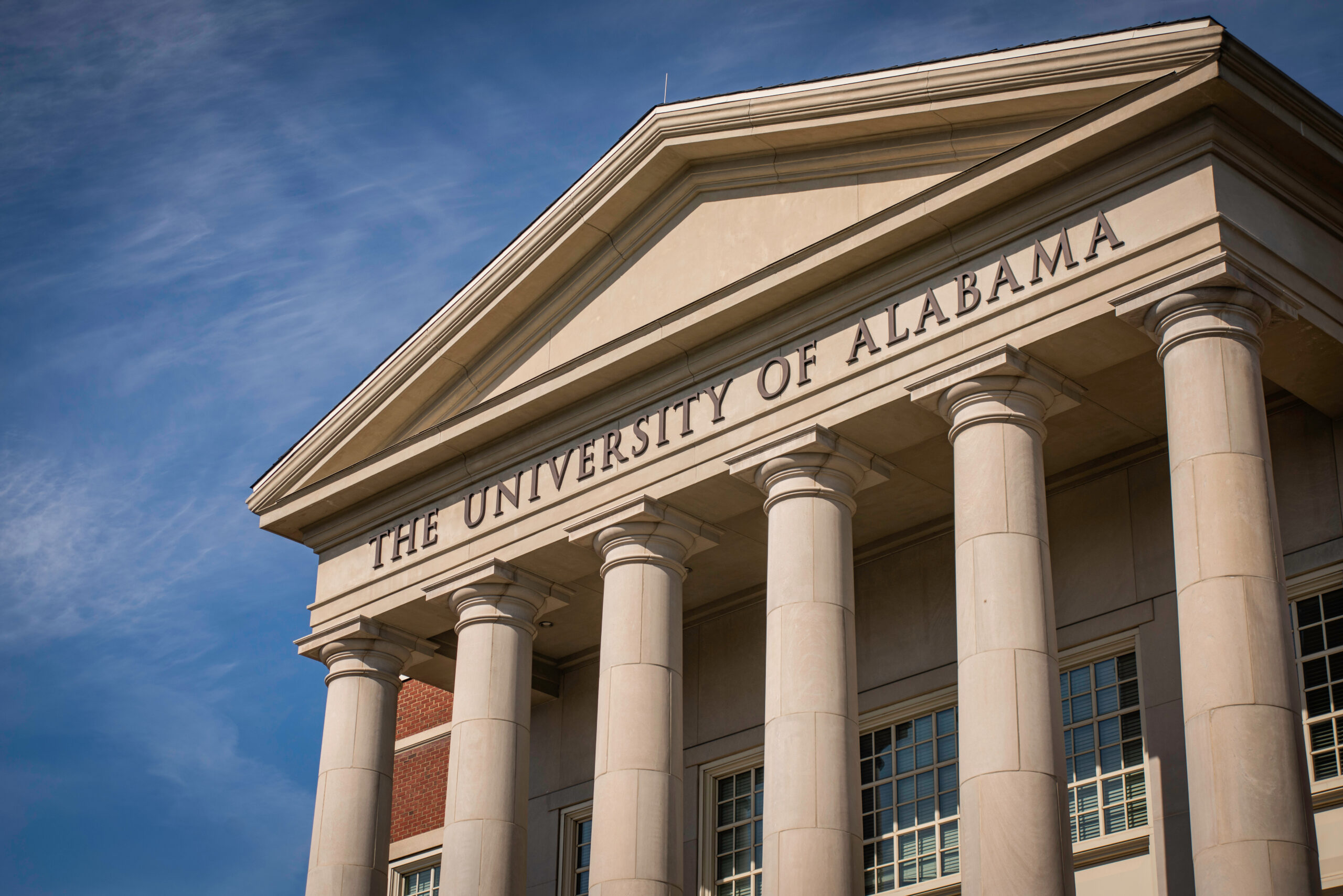
What’s new: The University of Alabama (Tuscaloosa) wants to hire into a “… tenure-track Assistant Professor position in physics related to precision timing, quantum photonics, and positioning, navigation, and timing.”
Why it’s important: To not overstate the obvious – pushing the boundaries of PNT research and developing the next generation of PNT experts is critical.
What else to know:
- The university has established the Alabama Collaborative for Contemporary Education in Precision Timing (ACCEPT). It is a NSF Research Traineeship (NRT) program designed to train the next generation of graduate (MS and PhD) degree holders in Positioning, Navigation, Timing and Frequency.
- The university also has a football team. 😉 The stadium can seat 100,077 people.
- ACCEPT is an RNT Foundation member.

BCAS – Assistant Professor in Precision Timing, Physics & Astronomy – 529953
Rank
Assistant Professor
Position Summary
The Department of Physics and Astronomy at the University of Alabama is seeking applications for a tenure-track Assistant Professor position in physics related to precision timing, quantum photonics, and positioning, navigation, and timing.
Detailed Position Information
The Department of Physics and Astronomy at the University of Alabama is seeking applications for a tenure-track Assistant Professor position in physics related to precision timing, quantum photonics, and positioning, navigation, and timing.
We are especially interested in candidates who use precision time and frequency science as a foundation for new photonic, quantum, and precision navigation and timing (PNT) systems. Particularly competitive research programs will connect physics to deployable hardware, including quantum photonic interconnects, integrated optical or electro-optic devices, clock-interface hardware, photonic microwave systems, timing transfer, synchronization, resilient PNT, or sensing and communication systems for space, hypersonic, or GNSS-denied environments. Candidates with expertise in atomic, molecular, and optical physics, optical clocks, spectroscopy, precision metrology, quantum sensing, or applied photonics are also strongly encouraged to apply, particularly where that work connects to practical timing, navigation, or quantum-system challenges.