



Images: Shutterstock, National Guard, and NASA
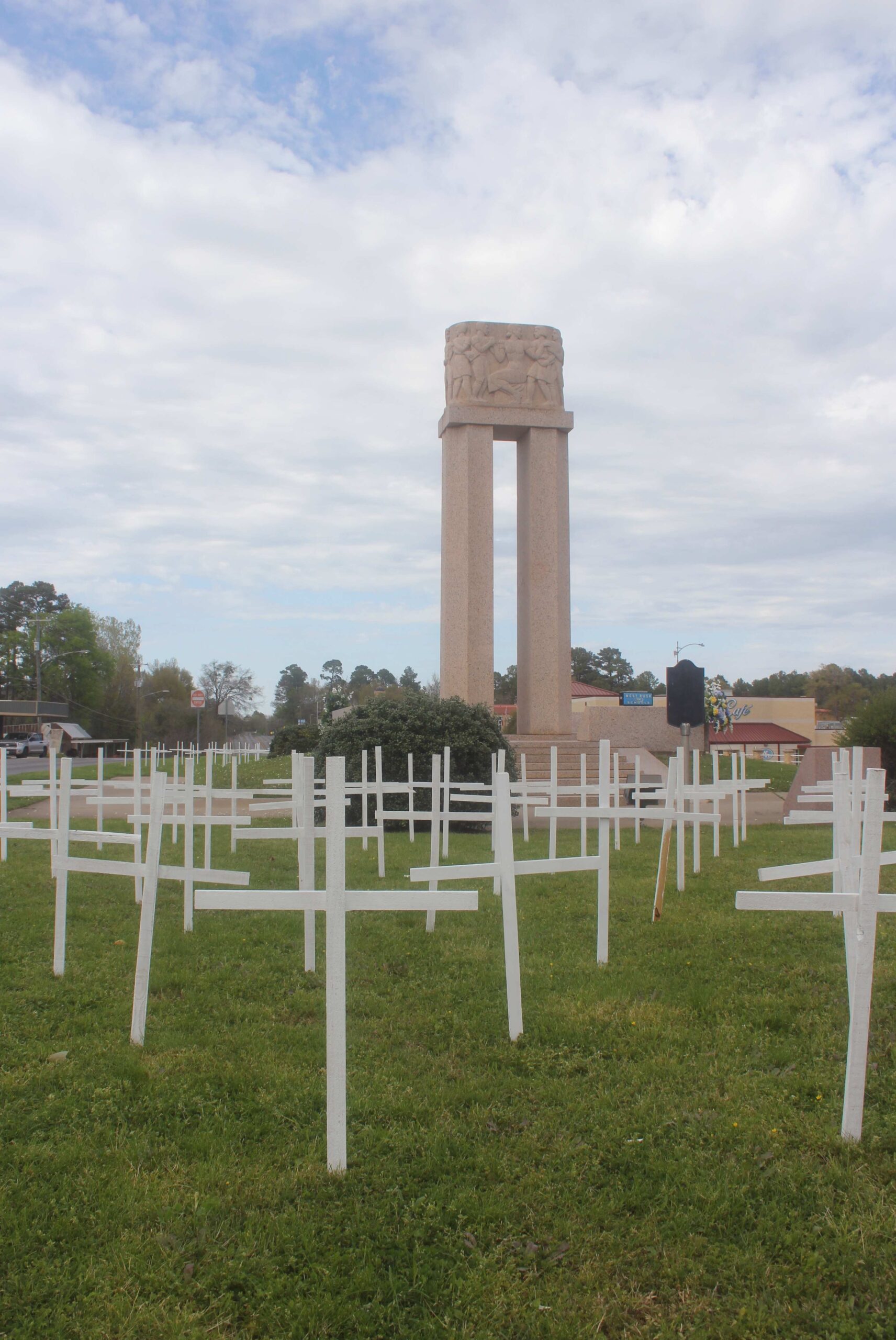
- For years safety experts urged a malodorant be added to natural gas so leaks could be easily and quickly detected. Yet it wasn’t until after 298 children and teachers, almost the whole school, were lost in a New London,Texas explosion that a bad smell was added to natural gas.
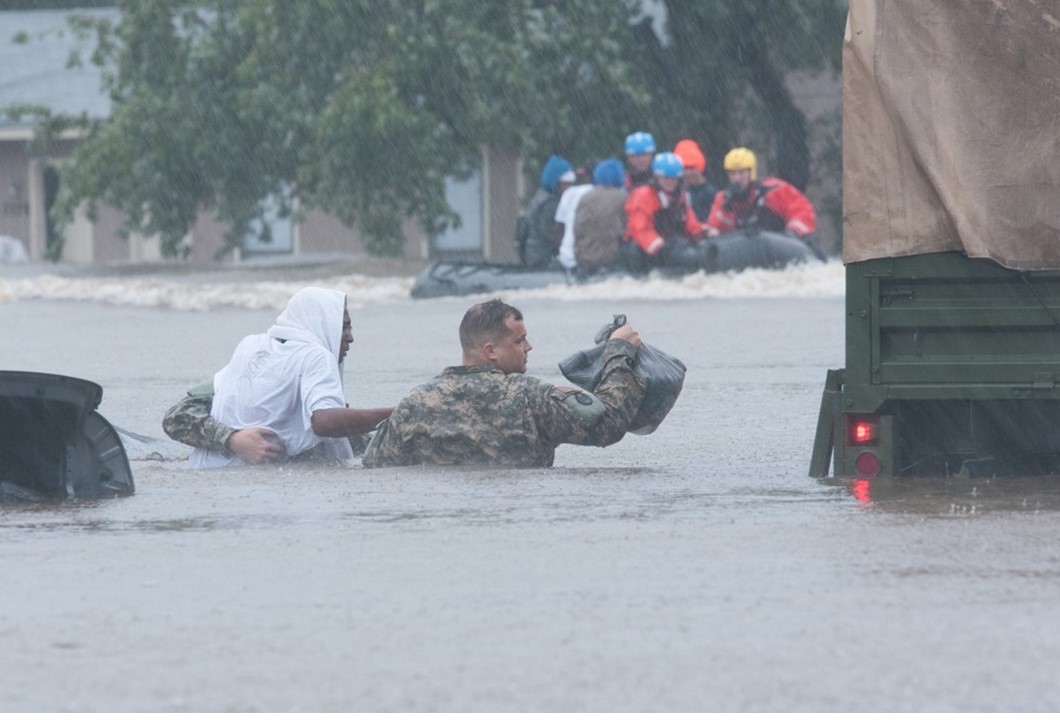
- Decades of reports about the levees in New Orleans showed they were inadequate to withstand a major hurricane. Yet it wasn’t until after Hurricane Katrina and the loss of more than 1,300 lives that the levees were constructed to meet a rare, but certain, storm.
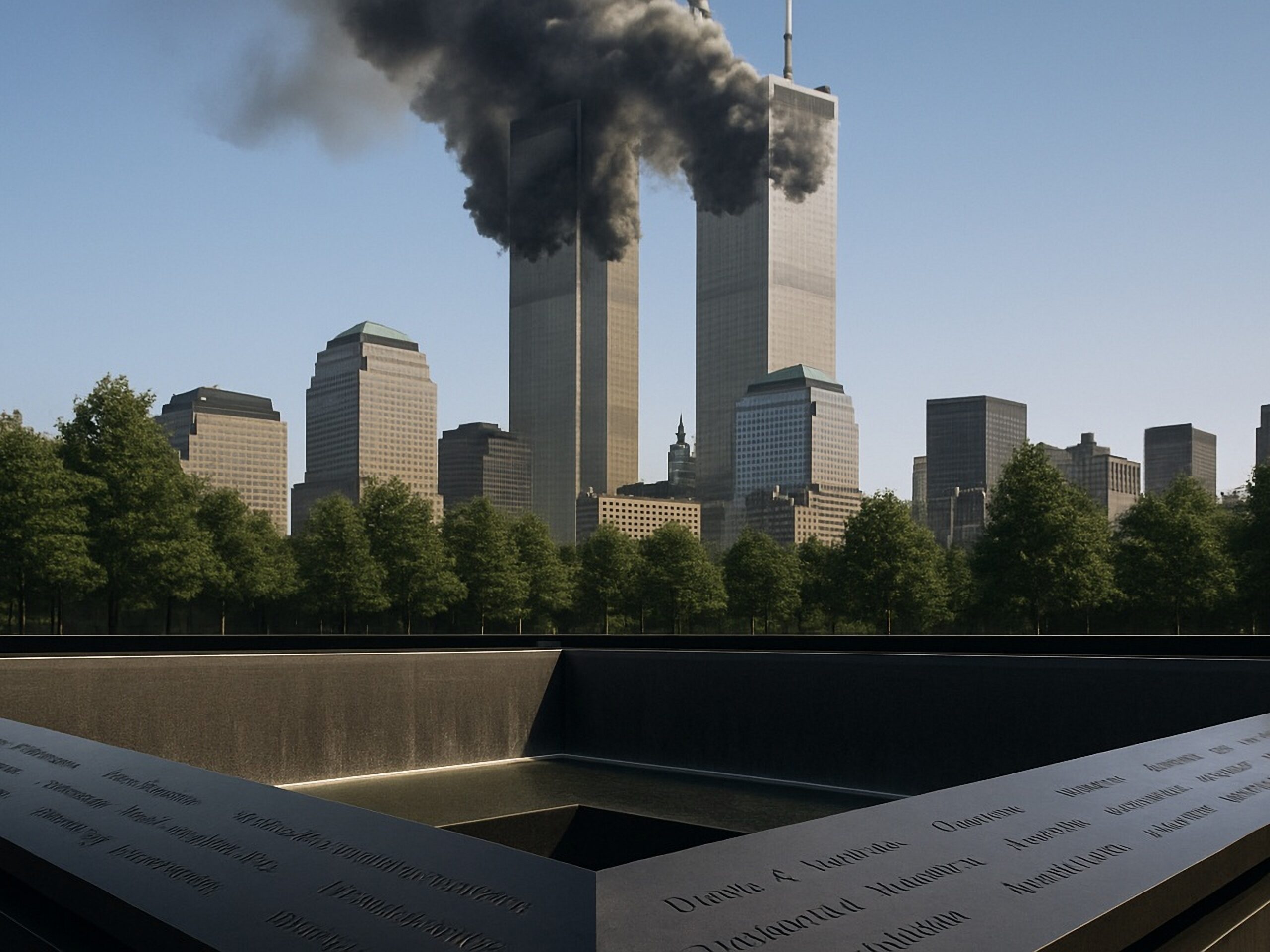
- Over 140 commercial airliners were hijacked before the attacks of 9/11. Yet hardly any improvements to airport or aircraft security were made until after the world changed. An estimated 4.5M to 4.7M people died directly or indirectly as a result of post-9/11 conflicts and the subsequent “War on Terror.”
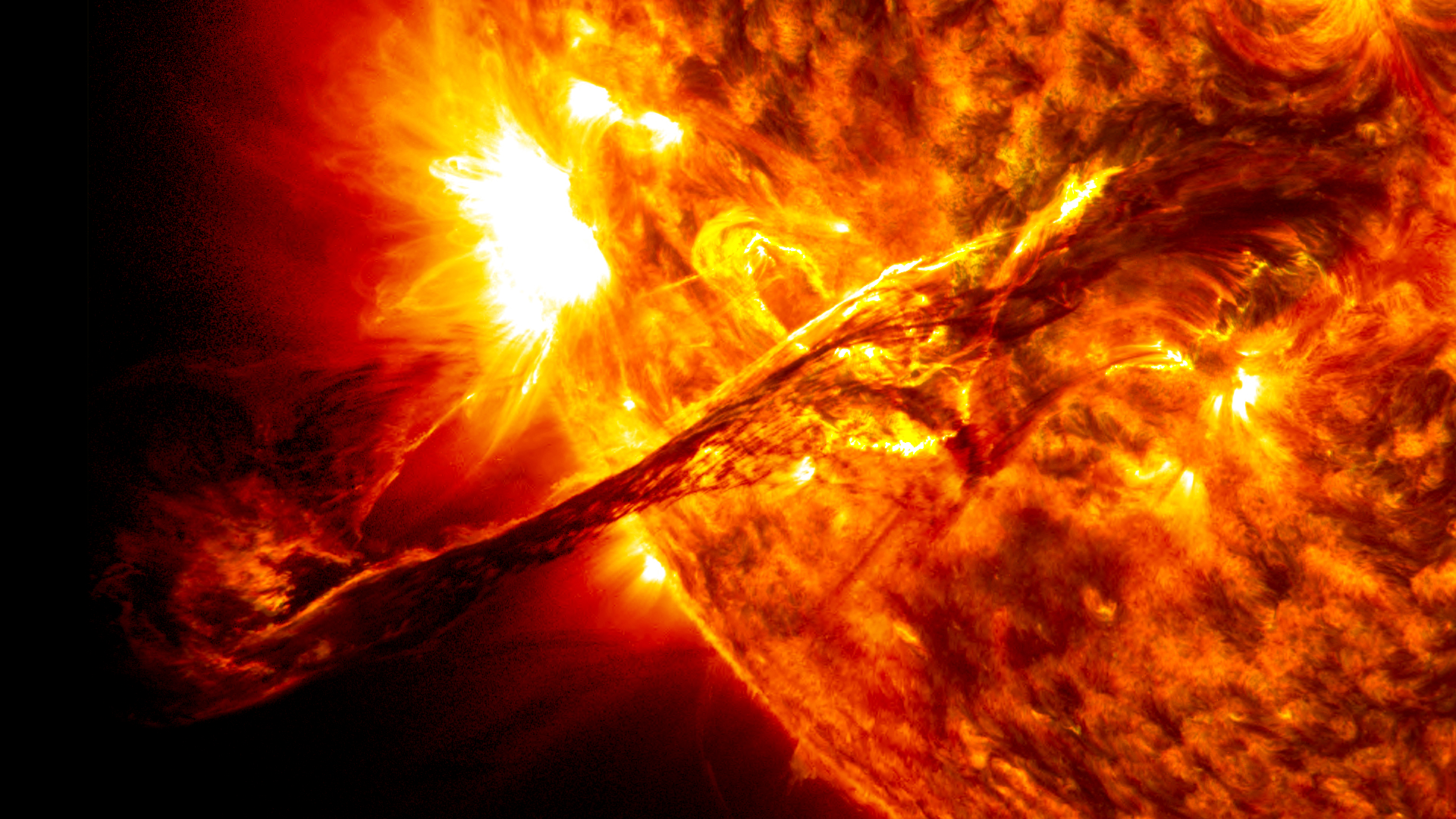
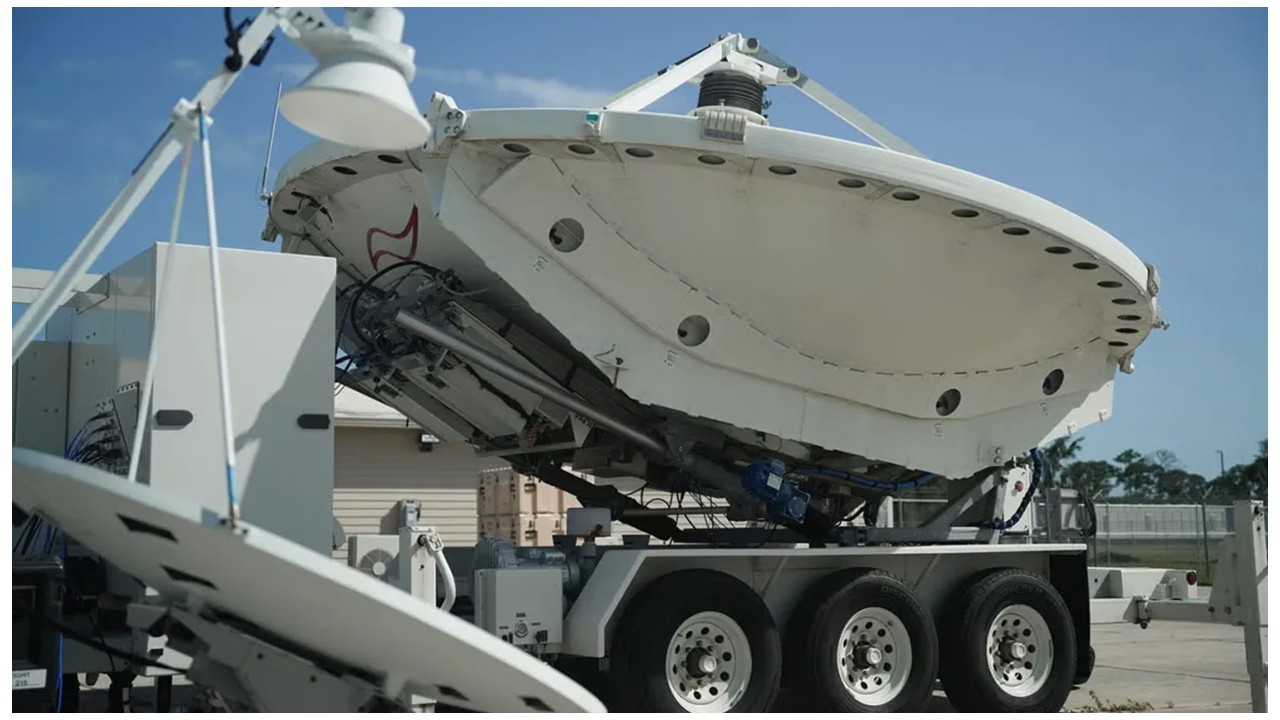
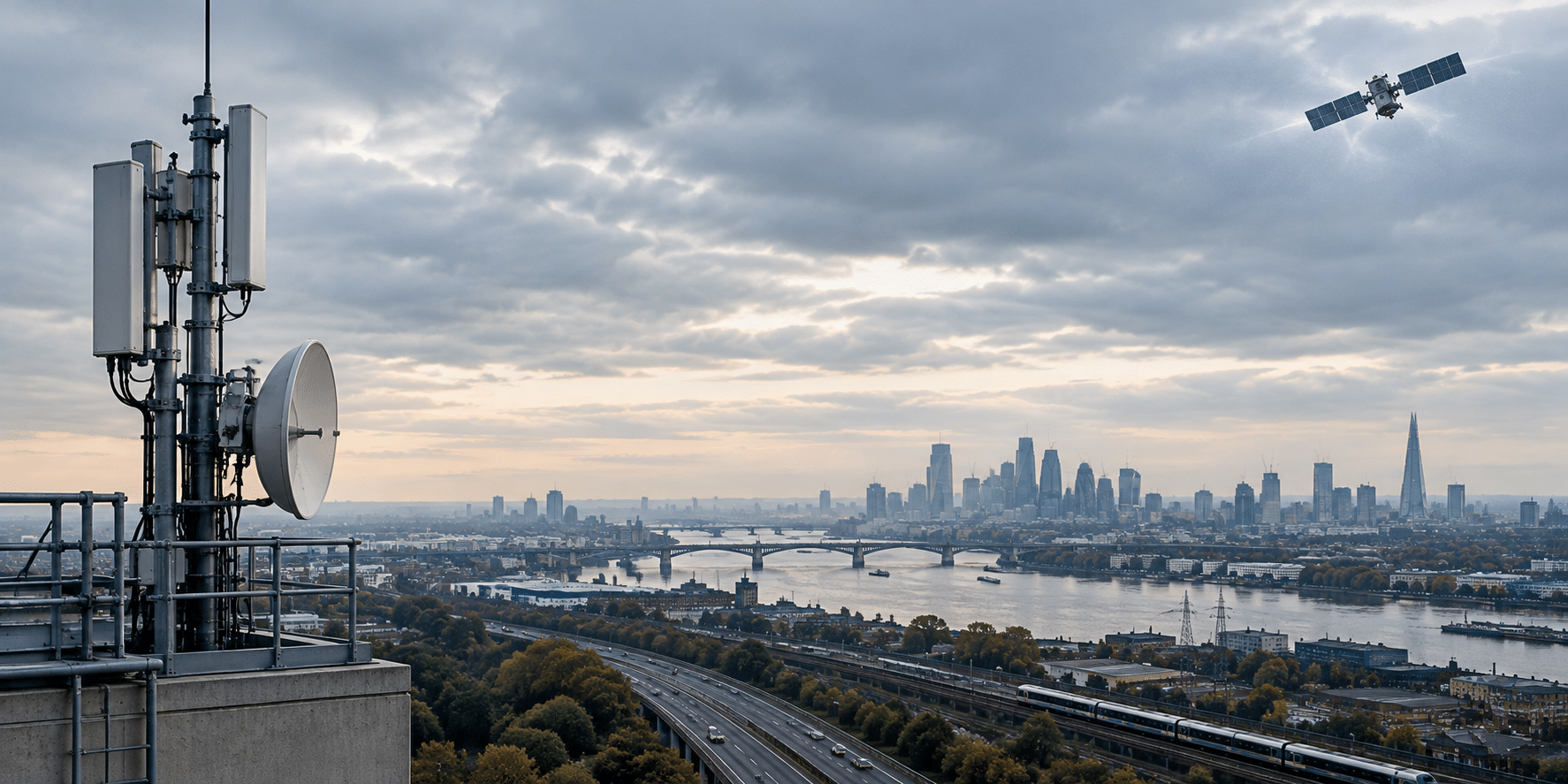
A major solar event, great power conflict, and other threats could interrupt GNSS service for days or end it all together. Yet many nations have not made the relatively small investments to protect their national security and economic well being.
Why is it so hard to prevent bad things from happening?
Well, it’s 2026, so when we have big questions, one of the things we do is ask AI for a summary. Here is what “the Google” says:
It is hard to prevent bad things because human brains and social systems prioritize immediate comfort and short-term rewards over invisible, distant risks.
Psychological and Biological Barriers
- Present Bias: People naturally care more about how they feel right now than what might happen years from now.
- Optimism Bias: Individuals often believe bad things happen to other people, not to them.
- Executive Dysfunction: Conditions like stress, ADHD, or depression disrupt the brain’s ability to plan ahead, stay motivated, and execute preventative tasks. [1]
Social and Situational Pressures
- Diffusion of Responsibility: When many people are around, everyone assumes someone else will fix the problem. Social psychologists show that good people fail to act due to a lack of personal responsibility in groups. [1]
- Fear of Friction: Standing up, planning ahead, or changing routines requires hard work and causes social awkwardness or conflict that people prefer to avoid.