



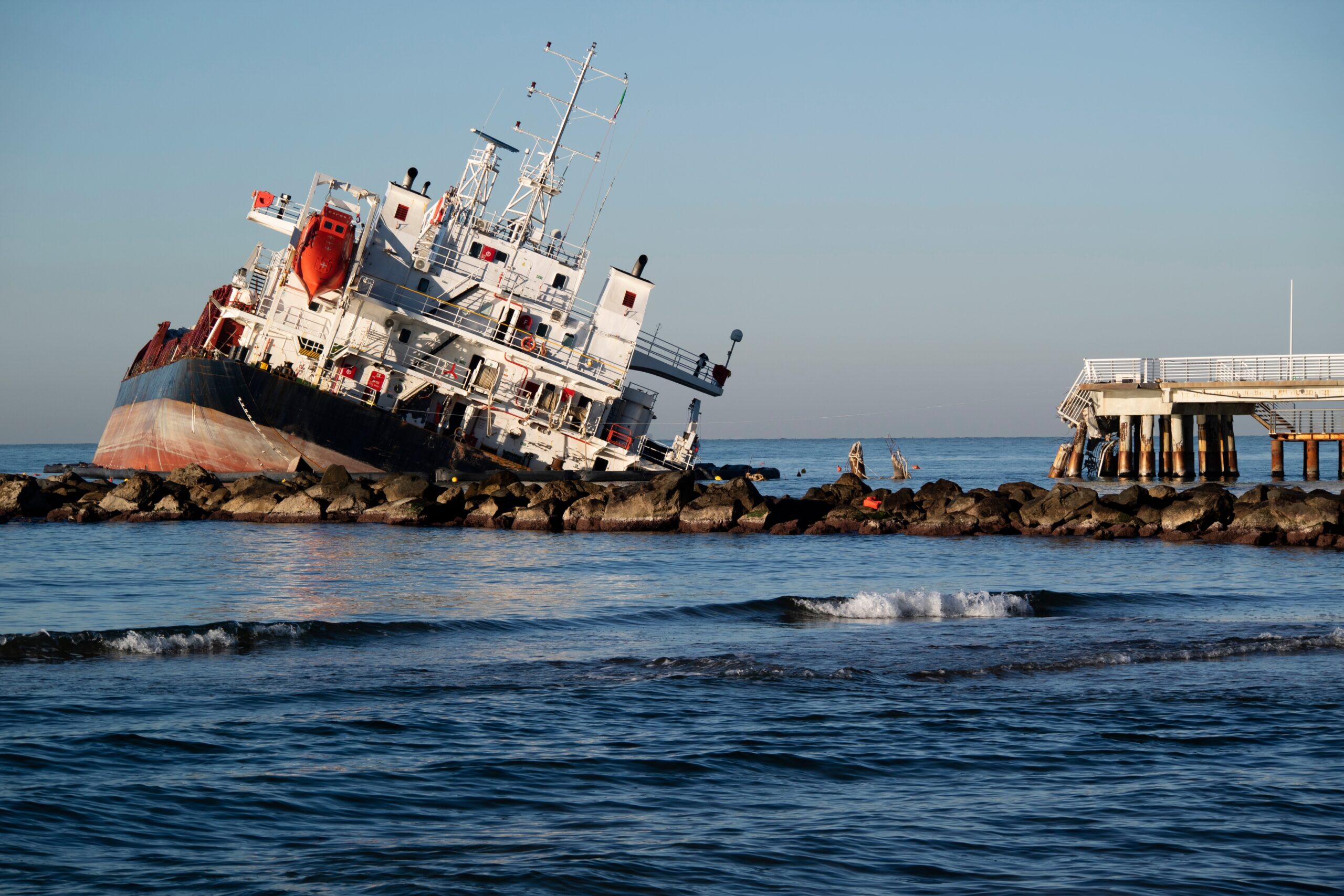
Image: Shutterstock
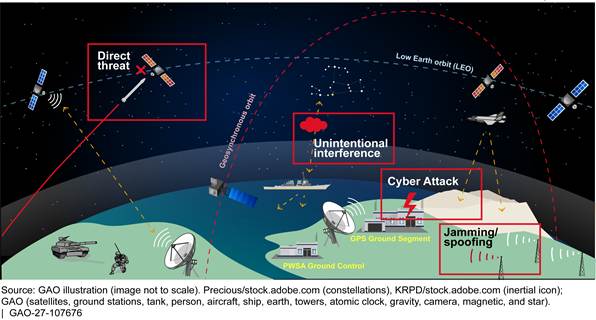
What’s new: A discussion of liability in a maritime context when something bad happens because of jamming or spoofing.
Why it’s important: The question of liability and responsibility is critical to getting folks to act.
What else to know:
- Insurance and liability is a powerful way to influence behavior.
- Everyone has a responsibility – nations must protect frequencies and provide PNT alternatives, companies to ensure sufficient equipment and training, and of course, users.
- Unfortunately, while the responsibility is shared, users often get all the blame.
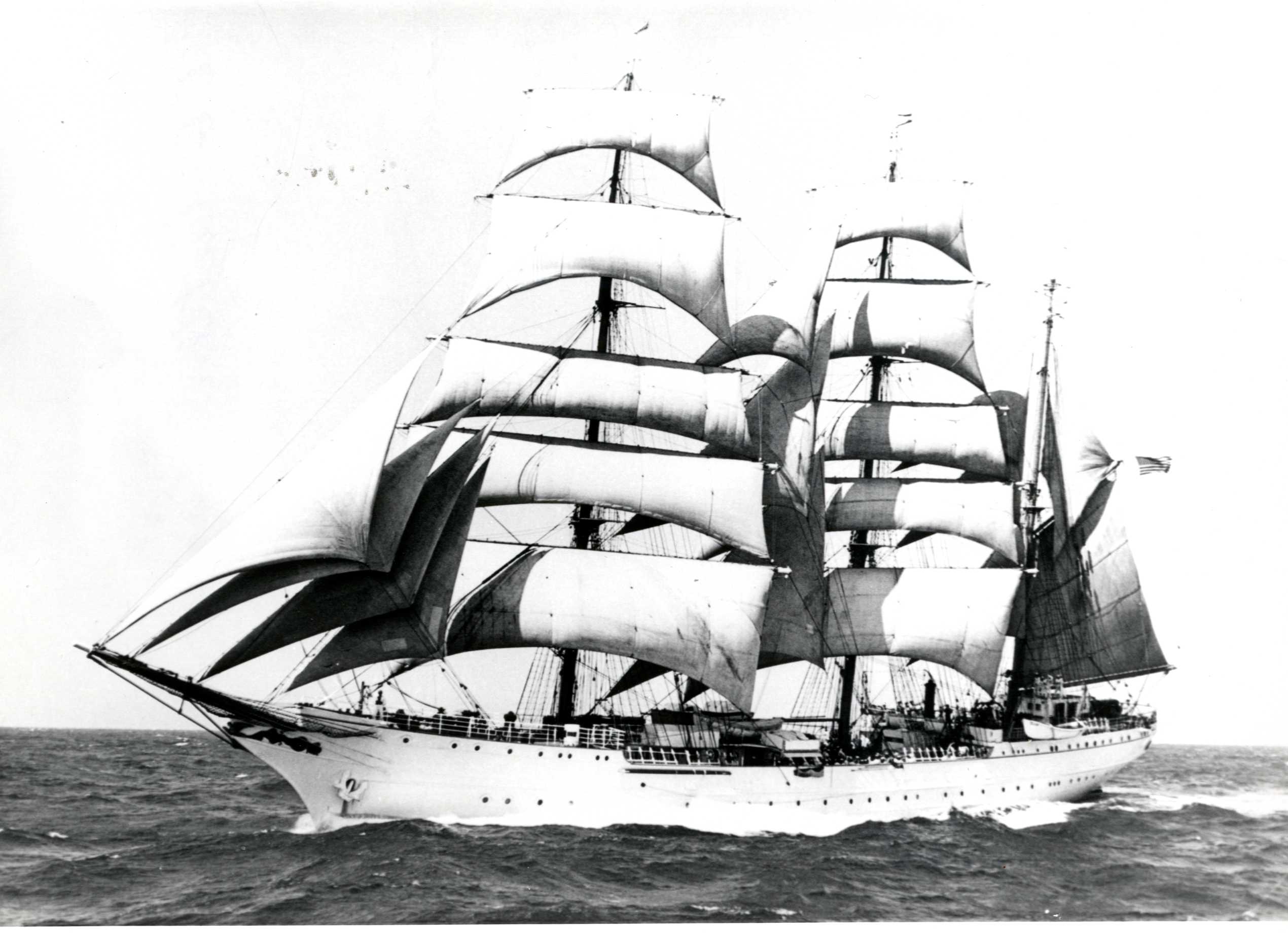
- The classic maritime phrase is “A prudent mariner uses every means available to determine their position.”
- Strait of Hormuz example: Both Iridium APNT and eLoran serve the area. Who should ensure equipage so they are “available” to mariners?

As discussed in Part 11 of this briefing mini-series, jamming and spoofing can materially affect a vessel’s navigation and decision‑making. These same issues may also give rise to disputes between owners and charterers, where decisions taken in response to interference impacts the performance of charterparty obligations. In this second instalment of HFW’s briefing mini‑series on the legal risks of GPS jamming and AIS spoofing, we examine the principal areas in which such disputes are likely to arise.
Off-hire
In one case where HFW was instructed by owners, a master exercised reasonable judgment in determining it was not safe to sail, contrary to charterers’ orders, due to jamming and spoofing. An owner would likely assert this constituted a reasonable deviation. Conversely, a time charterer might contend that the vessel was off-hire as the vessel was not performing the service immediately required. Whether or not a charterer’s argument would be successful would depend on the precise wording of the off-hire provisions in the charterparty as well as the exact circumstances of the case.