



Image: Shutterstock
What’s new: A great overview article by our colleague Zak Kassas at The Ohio State University.
Why it’s important: These kinds of overviews help us to keep issues in perspective and demonstrate the wide breadth and reach of the problem. Also, they almost always include some tidbit we had not seen before. For example, we had never seen the 60 Minutes video about the theft of Guy Fieri’s tequila.
What else to know:
- As Zak says, real PNT resilience will come through a multi-system, layered approach.
- RNT Foundation is tech neutral advocating for each nation to have a core national resilient PNT architecture using signals from space, terrestrial broadcast, and time over fiber. And that each nation should have one sovereign source of non-GNSS PNT to work with GNSS signals and protect their use by deterring disruption.

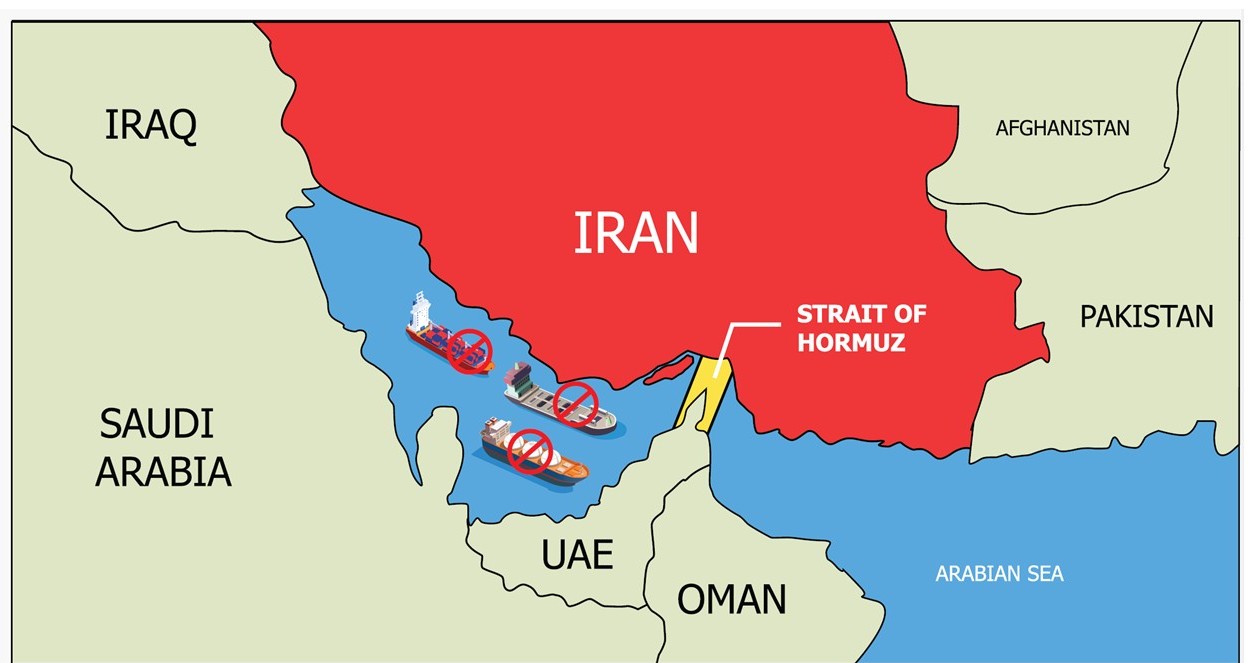
From Hormuz to the cockpit: How warfare and criminal activity undermine GPS and the race to safeguard navigation
Few people want to get lost when traveling. But if there are places where being lost feels especially unsettling, they tend to be the sea, desert and sky. These environments share a defining feature: the absence of distinctive visual cues. Where horizons blur, landmarks disappear and every direction can look deceptively similar. Knowing where you are depends on information that you cannot see for yourself.
For most of human history, finding your way in such environments required skill, judgment and constant attention. Satellite navigation marked a fundamental shift. The advent of GPS has made navigation almost effortless: Press a button and voilà, location and heading appear instantly.
GPS’s great strength is that under benign conditions, it works remarkably well in precisely the environments where being lost would be most dangerous. Civilian systems routinely achieve meter‑level accuracy. This accuracy, however, masks a growing vulnerability.
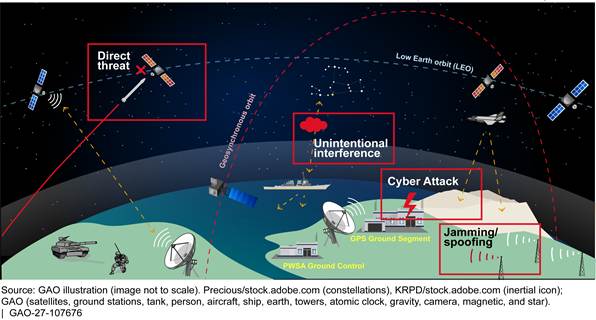
Over the past few years, deliberate GPS interference has surged worldwide, disrupting maritime and aviation operations at an unprecedented scale. I’m an electrical engineer who studies alternative methods of electronic navigation. My lab and others around the world are developing these alternatives as backup for when GPS is unavailable or unreliable.
When GPS is silent – or lies