




Image: UKPNTO
What’s new: A compilation of different eLoran initiatives and links to some studies and initiatives.
Why it’s important:
- Complementary and backup systems for GNSS are becoming increasingly necessary. GNSS is not reliable in many parts of the world and the remainder of the planet is under threat.
- Having alternatives that are widely available could disincentivize jamming and spoofing.
What else to know:
- The article discusses eLoran’s use and potential use in maritime, aviation, and as a deployable military system.
- It also discusses on-going standards efforts.

“Saying today’s eLoran is what we had in WWII is like saying your 8K Ultra HD television is the same as the 1955 tube set that only got BBC One and ITV. Some fundamentals are the same, but the technology has evolved dramatically.” – U.K. PNT expert.
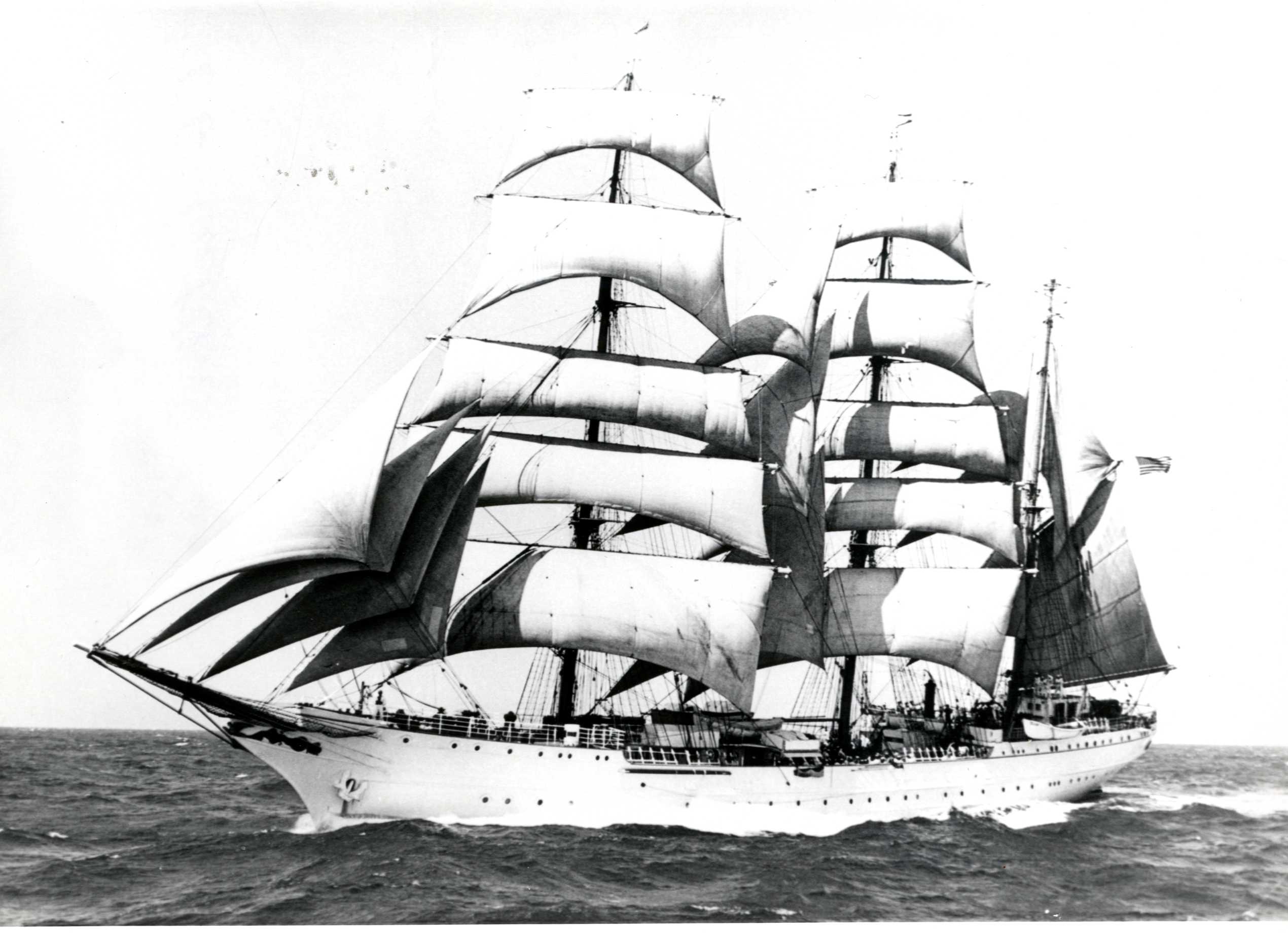
Loran technology was a critical part of Allied transportation and logistics during WWII with over 70,000 receivers built for ships, aircraft, and submarines. According to the Smithsonian, by the height of the Cold War Loran coverage had extended to 70% of the northern hemisphere.
Although systems were disestablished in much of the west after the advent of GPS and in anticipation of Galileo, Loran systems have continued to provide high power, low frequency positioning, navigation and timing (PNT) services to vast areas in the east and billions of people in China, the Republic of Korea, Saudi Arabia, and Russia.
Today the modernized and more precise version, eLoran, is making a resurgence in the west as a way to greatly reduce the impacts of attacks on GNSS and demotivate those who might make attacks. It will also protect users and economies when space-based PNT is not available for whatever reason.