



Image: Shutterstock
What’s new: Not surprisingly, there has been a huge uptick in GPS jamming by Iran since the U.S. and Israel began attacks.
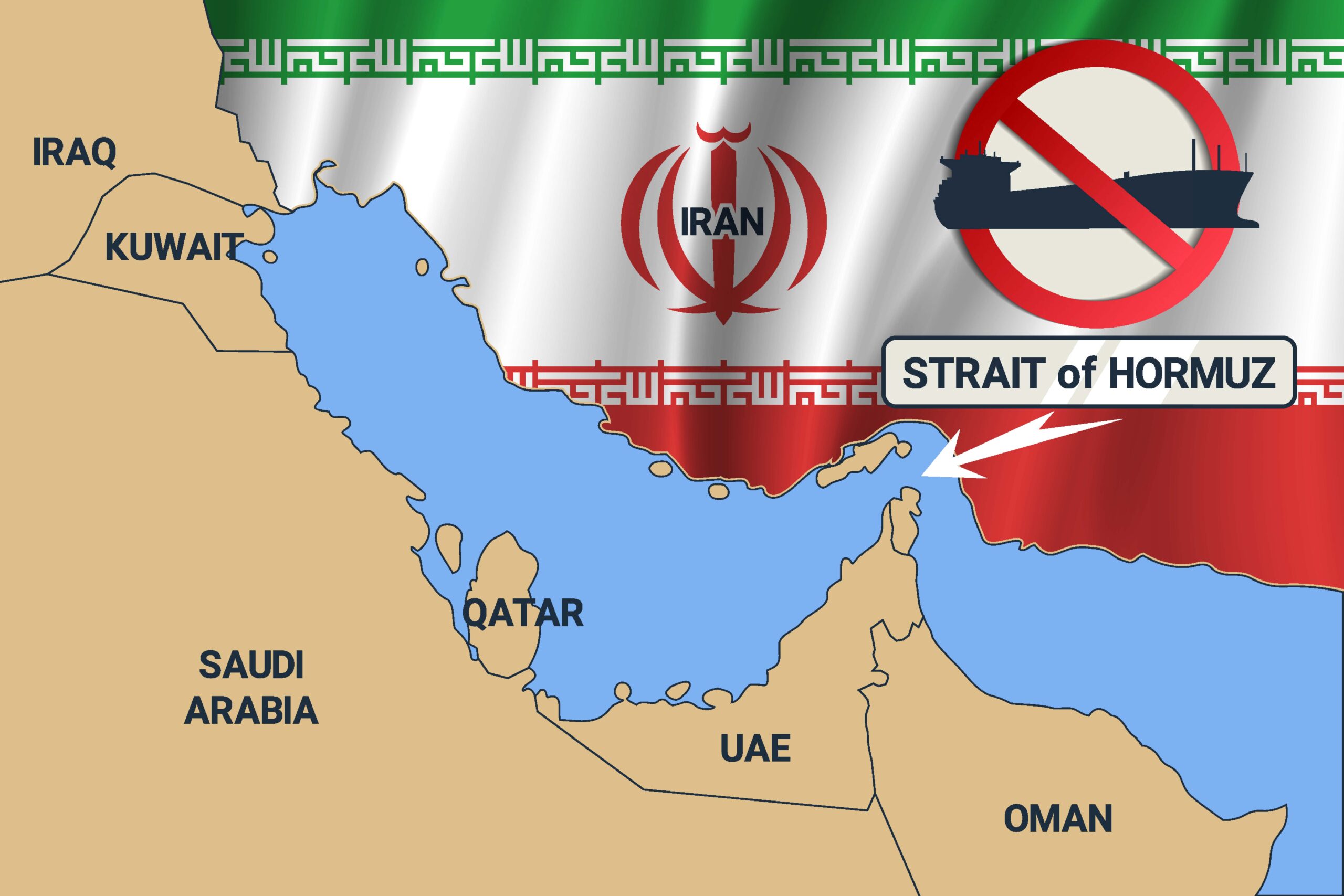
Why it’s important: The combination of kinetic and electronic attacks seems to have brought ship traffic through the critical Strait of Hormoz to a near halt. This has raised oil prices and impacted the world economy.
What else to know:
- Economic impacts include higher gas prices in the U.S. where “affordability” is increasingly an issue for the president.
- Interference with GPS/GNSS hits the West in one of its most vulnerable spots.
- Attacking GPS seems much more cost effective than missiles and drones. Iran has been attacking with missiles and drones across the middle east. We wonder if we will see Iran try to deploy GPS interference devices to other countries.

Attacks on GPS Spike Amid US and Israeli War on Iran
New analysis shows that attacks on satellite navigation systems have impacted some 1,100 ships in the Middle East since the US and Israel attacked Iran on February 28.
Shipping through the Strait of Hormuz—the narrow but vital oil trade route in the Middle East—has almost ground to a halt since the start of the United States and Israel’s war against Iran. Tankers in the region have faced military strikes and a spike in GPS jamming attacks, a new analysis says.
Since the first US-Israeli strikes against Iran on February 28, more than 1,100 ships operating across the Gulf region have had their GPS or automatic identification system (AIS) communications technology disrupted, says Ami Daniel, the CEO of maritime intelligence firm Windward. Ships have been made to appear as if they were inland on maps, including at a nuclear power plant, the firm says.