




Image: Shutterstock
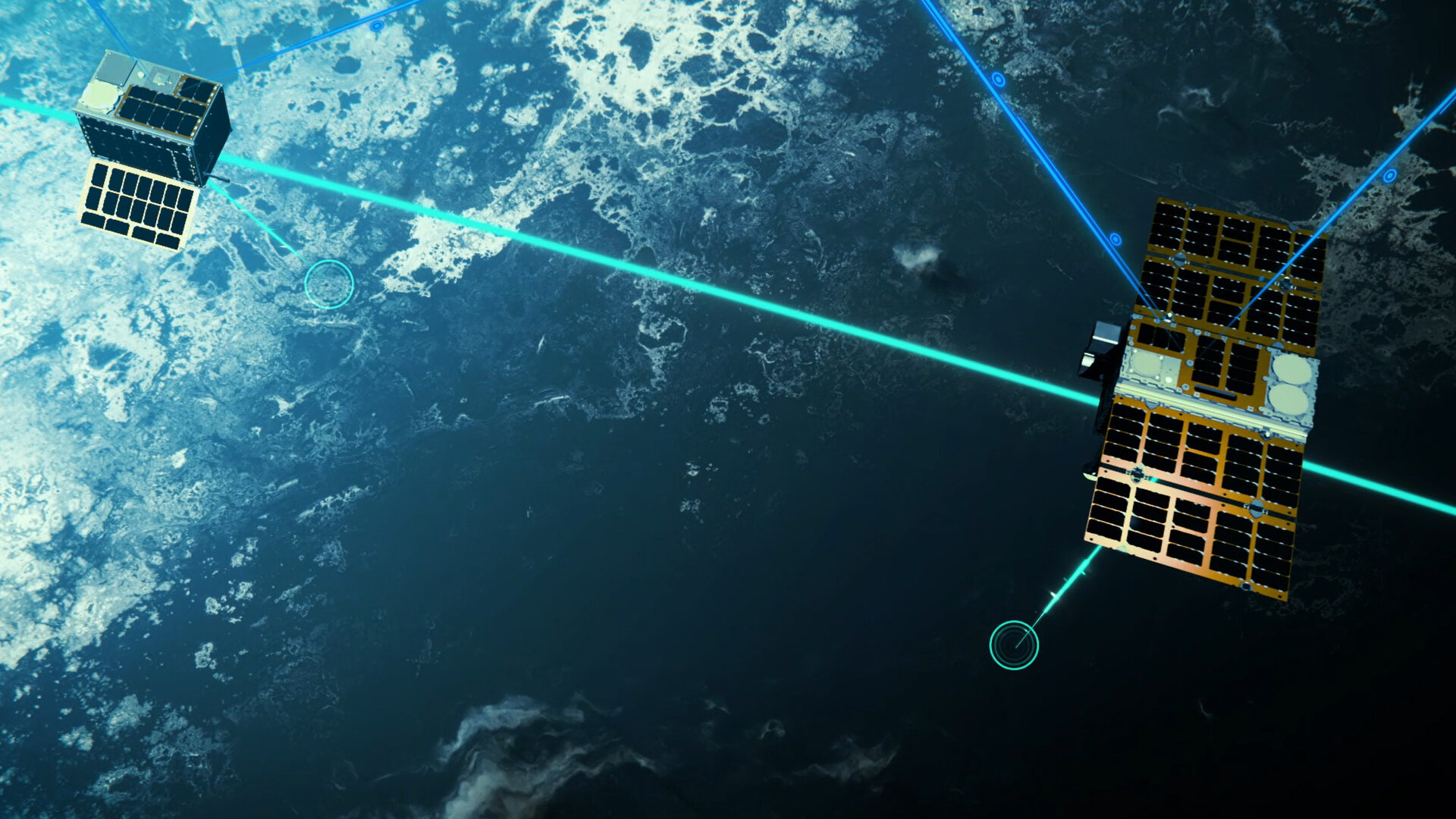
What’s new: Per the headline, U.S. Space Force has cancelled the Resilient GPS (R-GPS) program. The project was to have put small satellites in LEO transmitting on GPS frequencies that would have been received as stronger and more accurate signals.
Why it’s important:
- USSF had estimated spending $1B on the project over the next five years.
- This would have been a major and expensive PNT effort by the Department of Defense. It could have caused other, perhaps more resilient, PNT projects to be deferred or cancelled.
- While R-GPS would have been slightly different from GPS, apparently folks in Congress did not think it would be different enough to provide additional resilience commensurate with the cost.
What else to know:
- GPS is highly vulnerable to jamming and spoofing. While terrestrial PNT systems are much more diverse and resilient, Space Force is charged with doing things in space.
- $1B would be several times what is needed to provide a minimum core national resilient PNT architecture with existing technology combining signals from space, terrestrial broadcast, and fiber, per RNTF’s and US DOT’s findings.
- Authoritative numbers are not readily available, but it seems as though Space Force spent approximately $40M on the project before ending it.
-
Last year the Space Development Agency said it was canceling plans to develop PNT in LEO. There are at least two US companies, Trustpoint and Xona (both RNT Foundation members) who are deploying PNT satellites in LEO. It may be the U.S. military is contemplating purchasing systems or services from a commercial entity.

Space Force ends ‘Resilient GPS’ satellite program
Funding for next phase omitted from 2026 budget amid shifting priorities
WASHINGTON — The U.S. Space Force has ended an exploratory effort to add smaller, lower-cost navigation satellites to bolster the Global Positioning System, shelving a program that had been identified as a priority.
The effort, known as Resilient GPS, or R-GPS, began in 2024 and funded three industry teams to develop designs and early prototypes for alternative navigation satellites. The Space Force confirmed it does not plan to move forward with deployments or on-orbit demonstrations.
“The initial phase of R-GPS was completed and will inform future decisions related to the future GPS architecture,” a spokesperson for the U.S. Space Force’s Space Systems Command said in a statement. Funding for what would have been Phase 1 of the program was not included in the fiscal year 2026 budget “due to higher Department of the Air Force priorities,” the spokesperson said.