





Image: Shutterstock
What’s new: Iran has used military grade jamming to prevent use of Starlink in the country.
Why it’s important:
- Starlink is a LEO comms system that can also be used by some for PNT when GNSS is not available.
- From a PNT community point of view, it is a demonstration that any signal can be subject to interference.
- Resilience comes from a system of systems approach melding PNT with different failure modes and from diverse sources. Our “resilience triad” is signals from space, terrestrial broadcast, and fiber.
What else to know:
- The U.S. had announced it was considering deploying large numbers of Starlink terminals to Iran to help those opposing the regime keep their comms and internet connections.
- IranWire, the source of this report, is reported to be a collaborative news site of expat Iranians that tries to provide their countrymen and the world information not filtered by the regime in Tehran.

Why There’s No Starlink Access During Nationwide Shutdown in Iran?
Solmaz Eikdar
January 9, 2026
Nearly twenty hours after Iran’s national internet went dark, the country remains locked in a digital blackout. For hours, Iranians have been unable to communicate through international or domestic internet services, make phone calls, or reliably access information. Even Starlink satellite connections – once seen as a last resort – have been largely disrupted, intensifying fears about what is happening to protesters and ordinary citizens across the country.
Before the full shutdown, Iran’s internet restrictions were usually complex but limited – authorities relied on partial, localized disruptions rather than a total cut. This time, amid massive nationwide protests, both international and domestic networks were completely severed, and even satellite internet services like Starlink sharply dropped.
So Why Is There No Starlink Access?
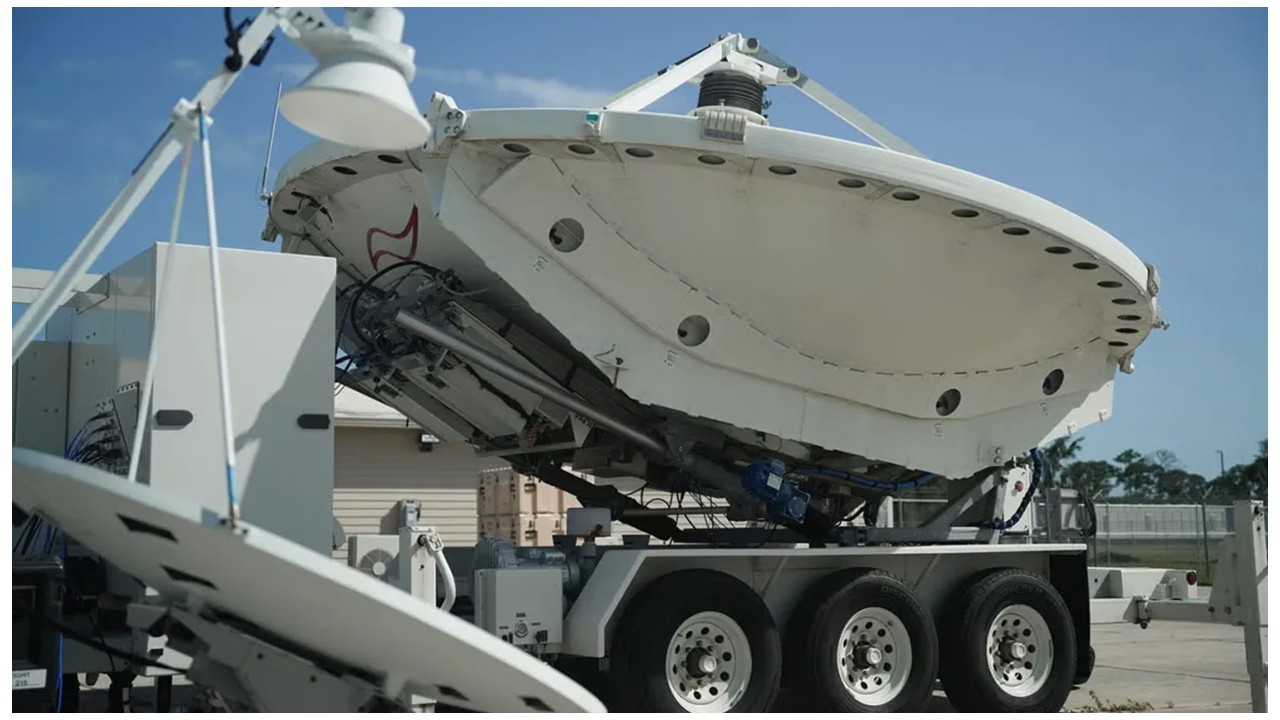
Despite reports that tens of thousands of Starlink units are operating inside Iran, the blackout has also reached satellite connections. Internet researcher Amir Rashidi told IranWire that as nationwide protests began, military-grade jamming signals were detected targeting Starlink satellites. According to him, about 30 per cent of Starlink’s uplink and downlink traffic was disrupted in the early hours, rising to more than 80 per cent by around 10 PM local time.
Rashidi said this kind of interference – caused by military equipment known as jammers – had never been witnessed in his 20 years of research. He added that the technology involved is highly sophisticated and military-grade, and was likely supplied to the government by Russia or China, if not developed domestically.
Because the jammers are spread widely across the country, the level of Starlink service varies by location: some areas have relatively better connectivity, others much poorer.