




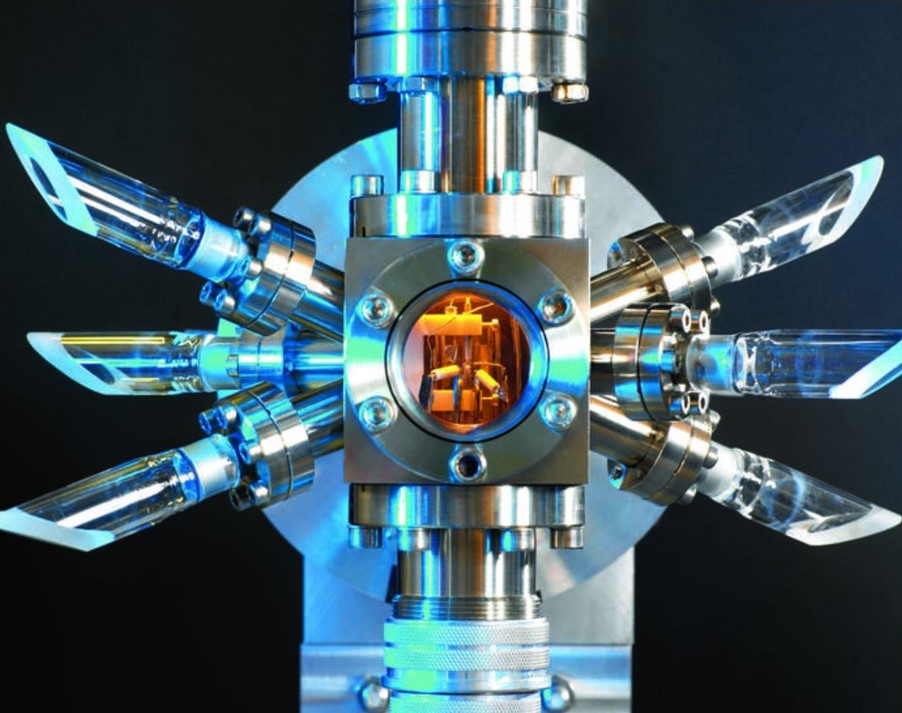
Image: Atomic clock at UK’s National Physical Lab
What’s new: The U.S. National Institute of Standards and Technology (NIST) lost 4.8 microseconds last weekend when emergency generators failed to start during a commercial electrical grid outage.
Why it’s important:
- NIST is the nation’s civil timekeeper. These kind of missteps threaten the organization’s and nation’s credibility.
- This is another demonstration that, if something is really important, you need to have multiple backups. A system of systems…
What else to know (according to our colleagues who are knowledgeable):
- Many critical timing applications use GPS time/timing, which is sourced from USNO.
- Many systems are more concerned with internal time sync than absolute time/ UTC.
- Managing time scales pretty much a matter of keeping track of the differences. Since NIST could determine how much they lost, they could adjust.

How a power outage in Colorado caused U.S. official time to be 4.8 microseconds off
The U.S. government calculates the country’s official time using more than a dozen atomic clocks at a federal facility northwest of Denver.
But when a destructive windstorm knocked out power to the National Institute of Standards and Technology (NIST) laboratory in Boulder on Wednesday and a backup generator subsequently failed, time ever so slightly slowed down.