



Image: Copilot AI
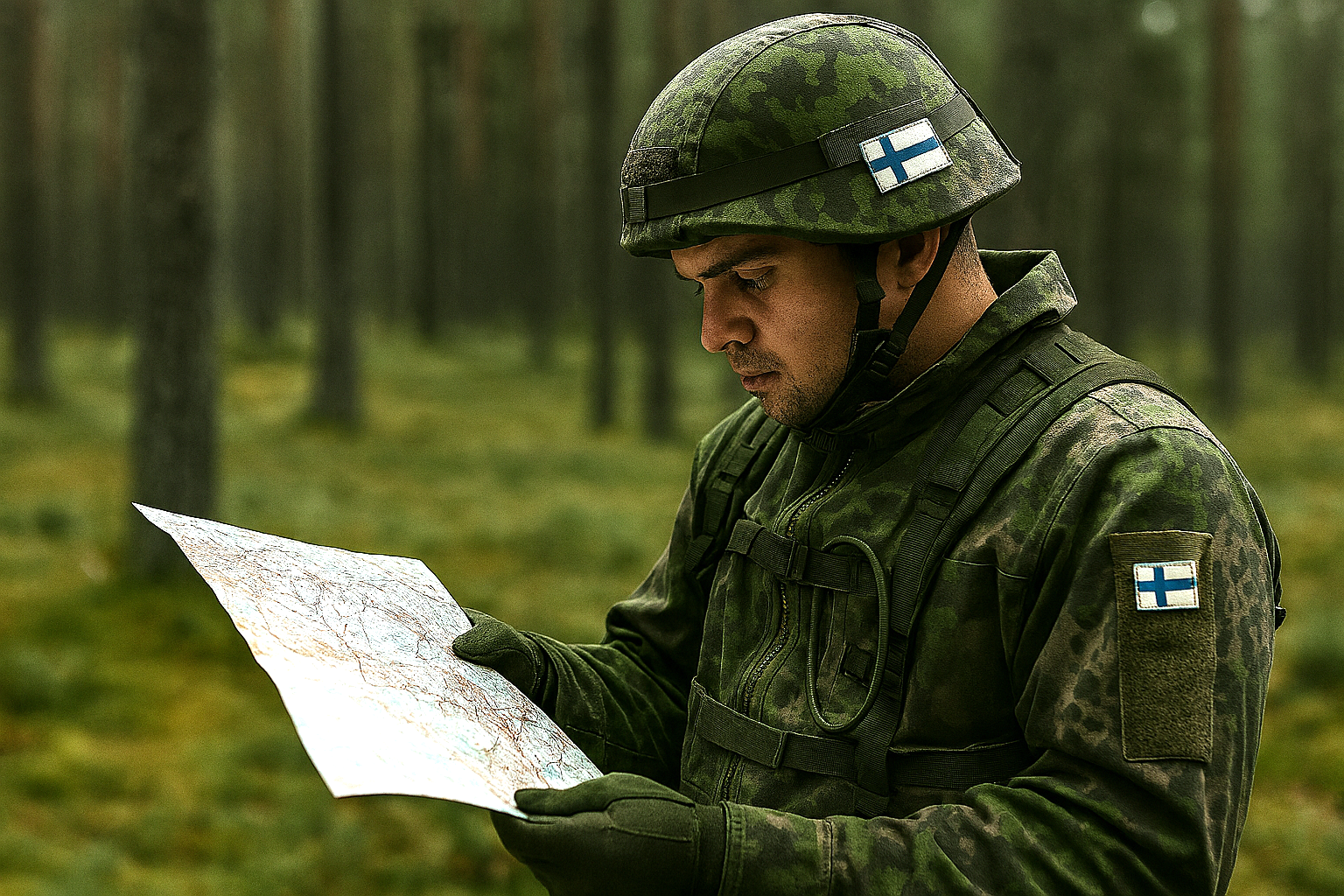
What’s new: Another report about military forces training for GPS/GNSS denied environments. This example from earlier this year is ground troops maneuvering with paper maps and compasses.
Why its important:
- GPS/GNSS reception will likely be denied on most battlefields. If it is not denied at any given moment, troops still need to be ready for it to be denied. Also spoofing or meaconing can result in bad info placing troops in danger.
- Years ago in Scouts we had land-nav orienteering contests. This kind of map and compass work:
- Requires very little and low tech equipment
- Can provide a validity check on what GPS/GNSS is saying
- Can enable troops to maneuver without GPS/GNSS
What else to know:
- Land-nav/orienteering is a skill that must be learned and practiced.
- Even reading a paper street map is something that many people are not able to do without practice. If you can find a paper map of your neighborhood ask someone who has only used GPS and electronic maps to find their location on the paper map and then how to get to somewhere else.
- This is much easier to do on land than at sea. While many maritime cadets and midshipmen are learning how to do celestial navigation and use paper charts, a chronometer (time from GPS?) and much more complex equipment is needed.

Finnish troops turn to paper maps amid GPS warfare concerns
Finnish soldiers are retraining in manual navigation methods, including the use of paper maps and compasses, in preparation for combat scenarios where satellite-based systems like GPS are no longer reliable.
The renewed focus on basic skills is a response to lessons drawn from the war in Ukraine, where electronic warfare has disrupted both Russian and Ukrainian operations. According to Colonel Matti Honko, commander of Finland’s Guard Jaeger Regiment, GPS spoofing and jamming are no longer hypothetical threats.
“Everyone has recognised the fact that GPS can be spoofed, and you might not be able to rely on it,” Honko said during a recent military exercise in southern Finland. He spoke on the sidelines of Lively Sabre 25, a large-scale training event held in late May.
The training shift doesn’t mean Finland is abandoning GPS. Instead, the military is building redundancy into its battlefield operations. Soldiers are taught to confirm digital coordinates against traditional maps and to question whether satellite-derived locations make sense in the field.