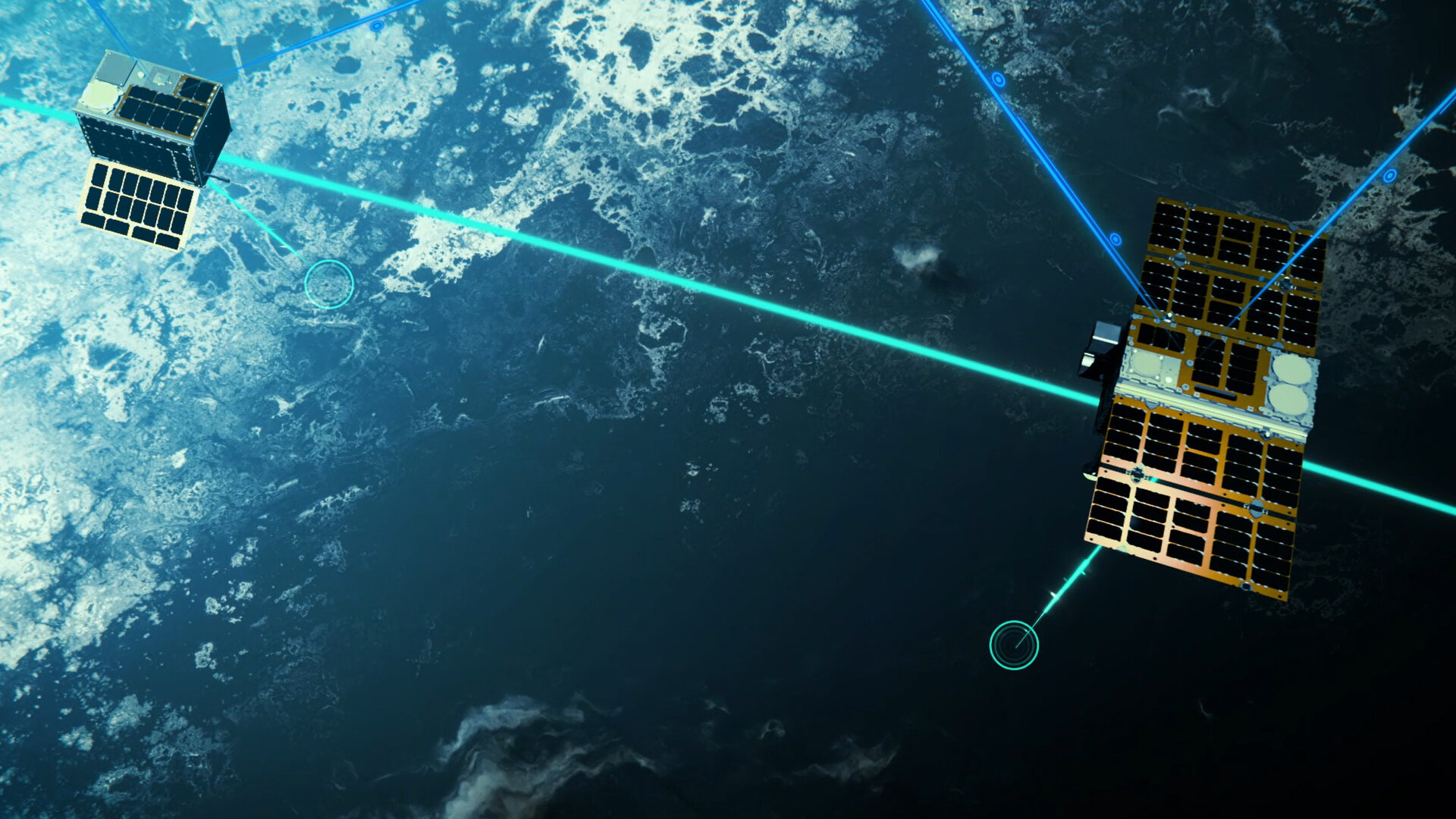




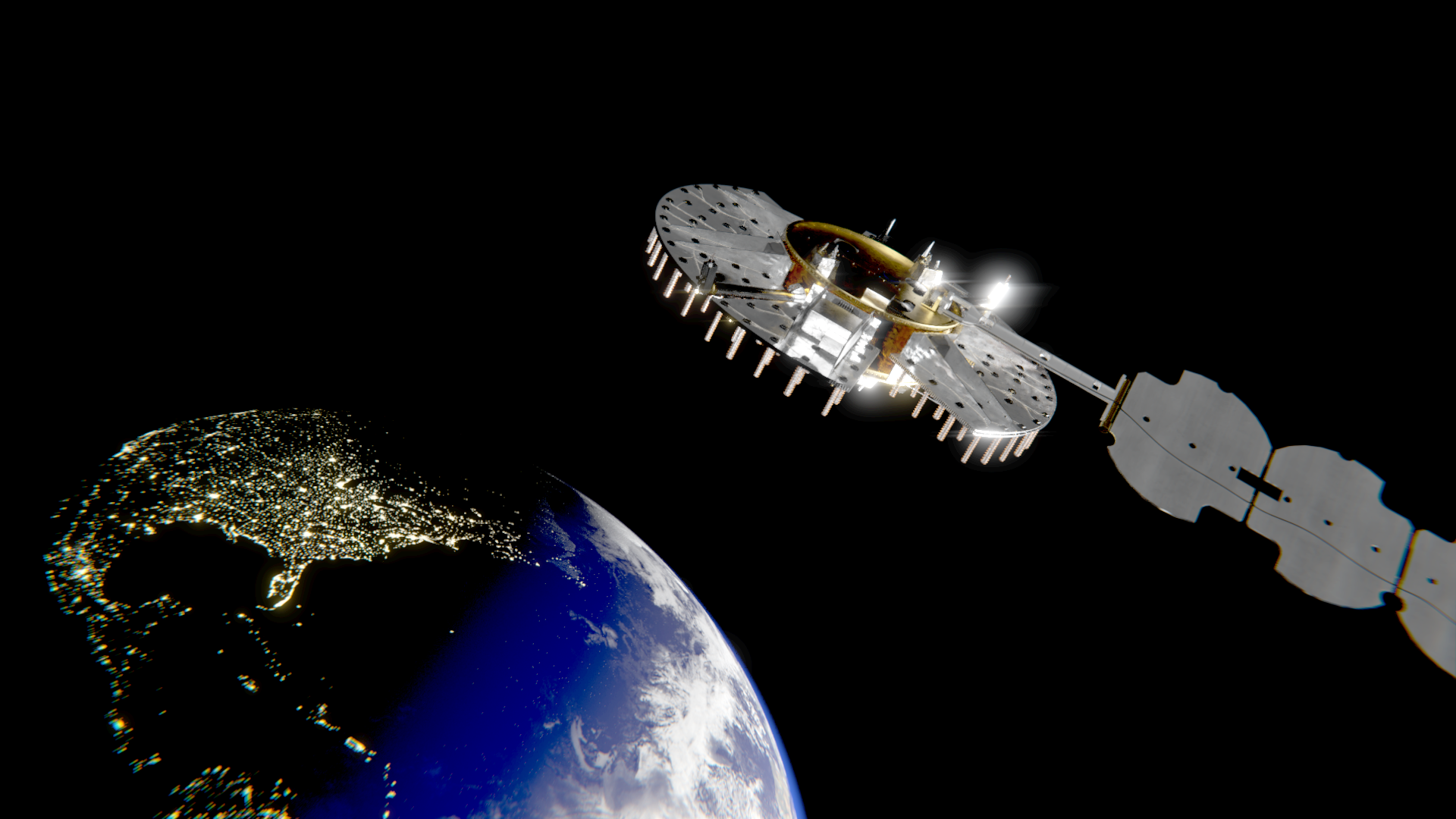
Image: NTS-3, USAF 2d Lt Jacob Lutz AFRL
What’s new: Space Force successfully launched and orbited a new navigation technology satellite – NTS-3.
Why its important:
- The satellite will conduct a wide variety of experiments to move U.S. satnav forward.
- These kinds of efforts are essential to ensure technologies are refreshed and competitive.
What else to know:
- Good news: The United States is advancing its knowledge and expertise in satellite navigation. Presumably that will translate at some point into improved capability.
- Not so good news:
- NTS-1 launched in 1974 and NTS-2 in 1977, both in the lead up to the GPS program.
- One of the prime contractors for NTS-3 was celebrating that fact it was the first effort “in almost 50 years.” Kind of a bitter-sweet celebration – ‘we are doing something, but it took 50 years…’ –
- This project has been significantly delayed several times. We know of at least one experiment that was conceived and proposed in 2000.
- All the media we have seen says NTS-3 will help improve things for the warfighter. No mention of the other 99.999% of users.

NTS-3 Reaches Orbit: Culmination of a Vanguard Vision for Resilient PNT
The Department of the Air Force (DAF) achieved a major milestone last night with the successful launch of the Navigation Technology Satellite-3 (NTS-3) Vanguard aboard a United Launch Alliance (ULA) Vulcan Centaur rocket, as part of the USSF-106 mission from Cape Canaveral Space Force Station, Florida.
The launch marks the first national security mission aboard ULA’s next-generation Vulcan rocket and ushers in a new phase of on-orbit experimentation aimed at advancing the resilience, agility, and security of U.S. Positioning, Navigation, and Timing (PNT) capabilities for the warfighter and allied users. For Inside GNSS readers, this moment has been years in the making—we first chronicled NTS-3’s ambitions in our July/August 2020 cover story, Way, Way Out in Front, and have followed its evolution through design, integration, and readiness milestones.