


The RNT Foundation is a public benefit scientific and educational charity, 501(c)3

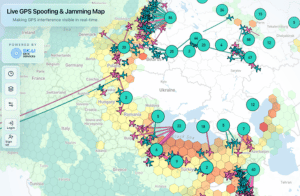

Protect the Frequencies – By preventing interference
Toughen Receivers – With readily available technology
Augment Services – With difficult to disrupt terrestrial signals
What to do? Some recommendations.

eNewsletter Archives
From Our Blog

‘No trouble in Switzerland, we can get rid of ILS’ – Bureaucrats deceived, pilots object
Image: Shutterstock What's new: Swiss officials have a program to disestablish terrestrial Instrument Landing Systems (ILS) at its airports in favor of GPS-based approaches. Pilots have objected, and they are being backed up by the European Union Aviation Safety...

Russia attacks NATO with drones – The Telegraph
Image: Shutterstock What's new: A report of Russia spoofing Ukrainian drones and sending them against NATO targets. Why it's important: Russia is attacking NATO kinetically. This is not just electronic warfare anymore. Secondarily: If true, it shows Ukraine is still...
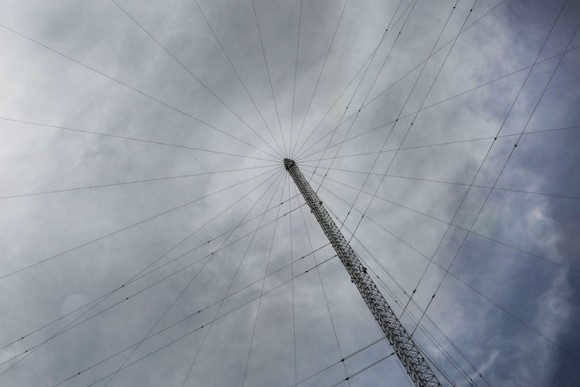
Canada Ending Radio Time Signals (accuracy <1ms)
Image: Shutterstock What's new: Canada has announced it is cancelling its short wave time signals as of the 22nd of June 2026. Why it's important: The other sources of official time from the Canadian government (National Research Council, or NRC) are less accurate...
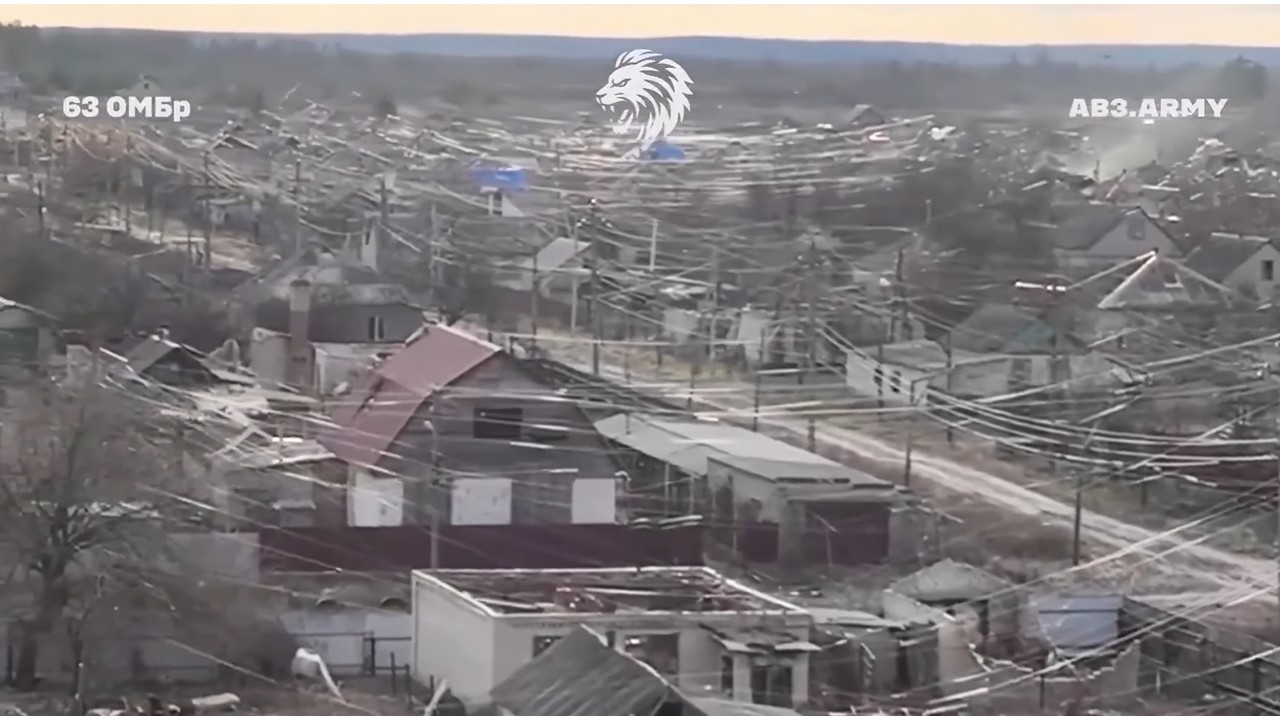
US wants Ukraine’s AI-assisted targeting, GPS-free navigation, and IP to reproduce it, but Zelenskyy has red line – Euromaidan
Image: AB3.Army on Youtube - The town of Lyman in Ukraine draped with fiber optic cable from both Ukrainian and Russian FPV drones. What's new: An interesting article about drone warfare, and how the U.S. is asking something from Ukraine, a bit of a reversal in the...

“We can track Starlink users…” – Fast Company
Image: Shutterstock What's new: A report that multiple companies are offering governments the ability to geolocate Starlink terminals. Why it's important: Security concerns - an adversary could target, kidnap, kill, etc. users. Privacy concerns - user location data...