




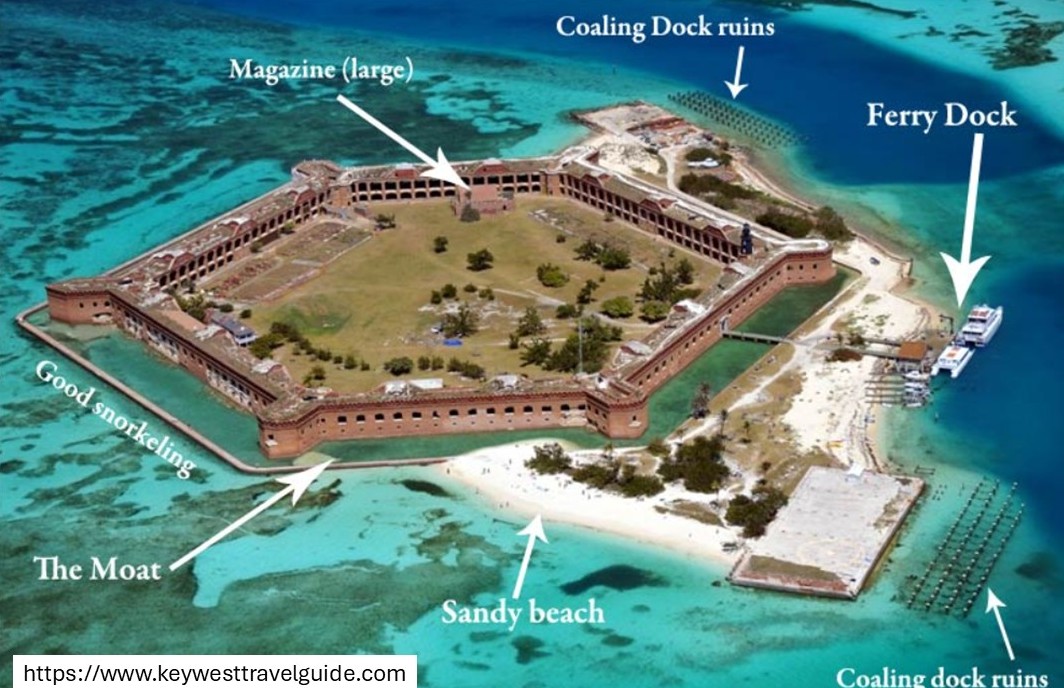
Image: Ft Jefferson, Dry Tortugas, FL credit KeyWestTravelGuide.com
What’s new: An opinion piece about overall resilience and the “Fortress America” initiative.
Why it’s important: National resilience is essential to national security. The author makes the point that the nation, not just the military and its installations, must be resilient in order to be secure.
What else to know:
- While I prefer living in “Lighthouse America,” any initiative that builds national resilience against malicious attacks, accidents, and natural events can be helpful.
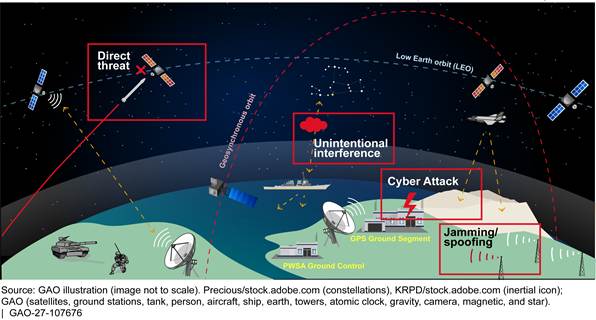
- A national resilient PNT architecture is needed to make military installations and military operations resilient and sustainable over the long term.
- The need for resilient PNT is mentioned in the article, eventually.

FORTRESS America: Building a More Resilient Foundation for U.S. National Security

Chuck Brooks is the president of Brooks Consulting International and one of Executive Mosaic’s GovCon Experts.
The infrastructure that powers, connects, transports, supplies and safeguards the country must continue to function for America’s national security. This is something that is frequently taken for granted. The national security equation encompasses more than just electricity, communications, transportation, water, manufacturing, logistics, satellite systems, information networks and defense facilities. They form a networked ecosystem. Failure of one crucial element can have a domino effect on numerous others.
For this reason, the Pentagon’s new FORTRESS America program merits careful consideration. The Department of Defense is working to operationalize a new FORTRESS America Program Office, which is intended to increase the resilience of military installations and vital national capabilities against cyberattacks, sabotage, power-grid failures, supply-chain disruptions and other threats. According to Defense Secretary Pete Hegseth, the program is a “national insurance policy” for the country. The program’s acronym, Federal Operations for Resilience, Troop Resources, Energy, Supply and Survivability, encapsulates a significant paradigm shift: the resilience of the systems that underpin military power, rather than just the weapons and personnel that wield it, is increasingly critical to national security.