



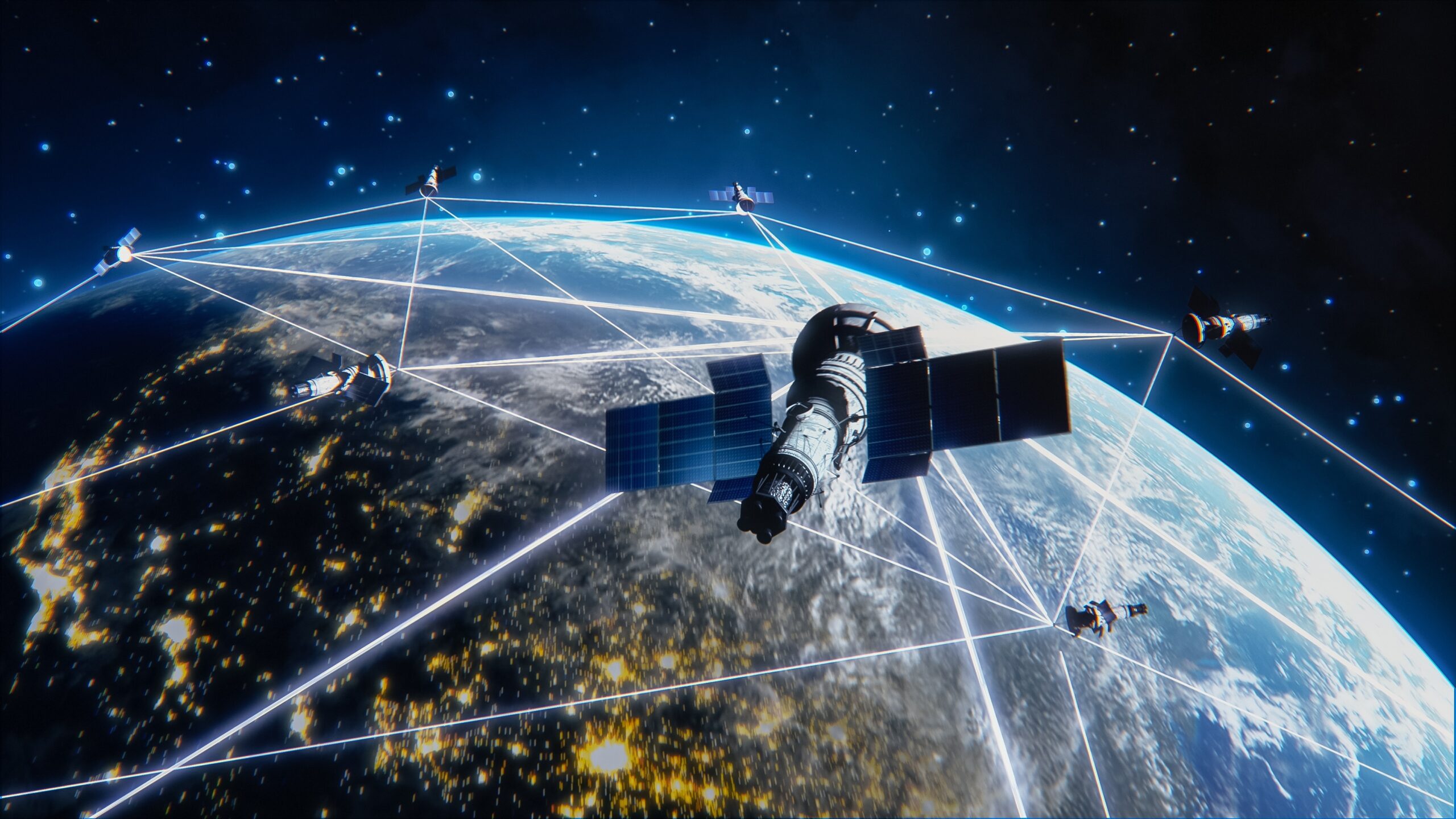
Image: Shutterstock
What’s new: Dr. Zak Kassas’ most recent column, an excellent and interesting discussion of the many factors that will influence where, when, and how LEO PNT might proceed.
Why it’s important: LEO PNT is more resilient than GNSS and can help mitigate some interference challenges. And there are a lot of commercial and governmental projects focusing on LEO PNT.
What else to know:
- Many of the things Zak mentions about adoption and integration apply to any new PNT technology. Actually, any new tech – see his mention of Betamax vs VHS.
- Its a great column, we highly recommend it.

One Size Does Not Fit All: Where Does LEO PNT Fit in the Future PNT Ecosystem?
This article concludes the opening trilogy of Inside LEO. We began by asking why LEO PNT matters and then examined what it will take for users to trust it. The final question may be the most consequential yet: If LEO succeeds, what role will it play in the future PNT ecosystem?
What is the consequence of success? For years, the central question surrounding low Earth orbit positioning, navigation and timing (LEO PNT) was whether it could work, and if so, how well?
In the first installment of this column [1], I asked a simple question: Why now? Why, after decades of living comfortably with GPS and GNSS, is the navigation community suddenly so interested in LEO PNT? The answer was straightforward. GNSS interference is growing. Autonomous systems are exposing the limits of legacy PNT architectures. And the unprecedented surge of satellites in LEO has created opportunities that simply did not exist before. In the second installment [2], I argued that the central question was no longer whether LEO PNT works. Demonstrations are multiplying. Satellites are launching. Governments, investors, researchers, and industry are all paying attention. The harder question has become: What must happen before users trust LEO PNT?