




Image: Shutterstock
What’s new: An excellent discussion about some of the challenges implementing LEO PNT systems.
Why it’s important: GNSS signals are very vulnerable and are being disrupted all the time. LEO PNT is likely to be more resilient and more precise and could provide alternative navigation and timing services.
What else to know:
- From the article: “LEO PNT is entering an uncomfortable phase of maturity. The debates are shifting from technical to operational. Can LEO PNT be trusted? Can it scale? Can it integrate? Can it survive commercially? Can it become infrastructure? What role will it play? Who will pay for it? And perhaps most importantly, what problem is it actually solving?”
- Inside GNSS has asked Zak to become a regular contributor. This well thought out article shows why.

Beyond the Demonstration: The Hard Questions LEO PNT Must Answer
As LEO PNT matures, the discussion is shifting from: “can LEO produce a PNT solution?” to “what must happen before users trust it?”
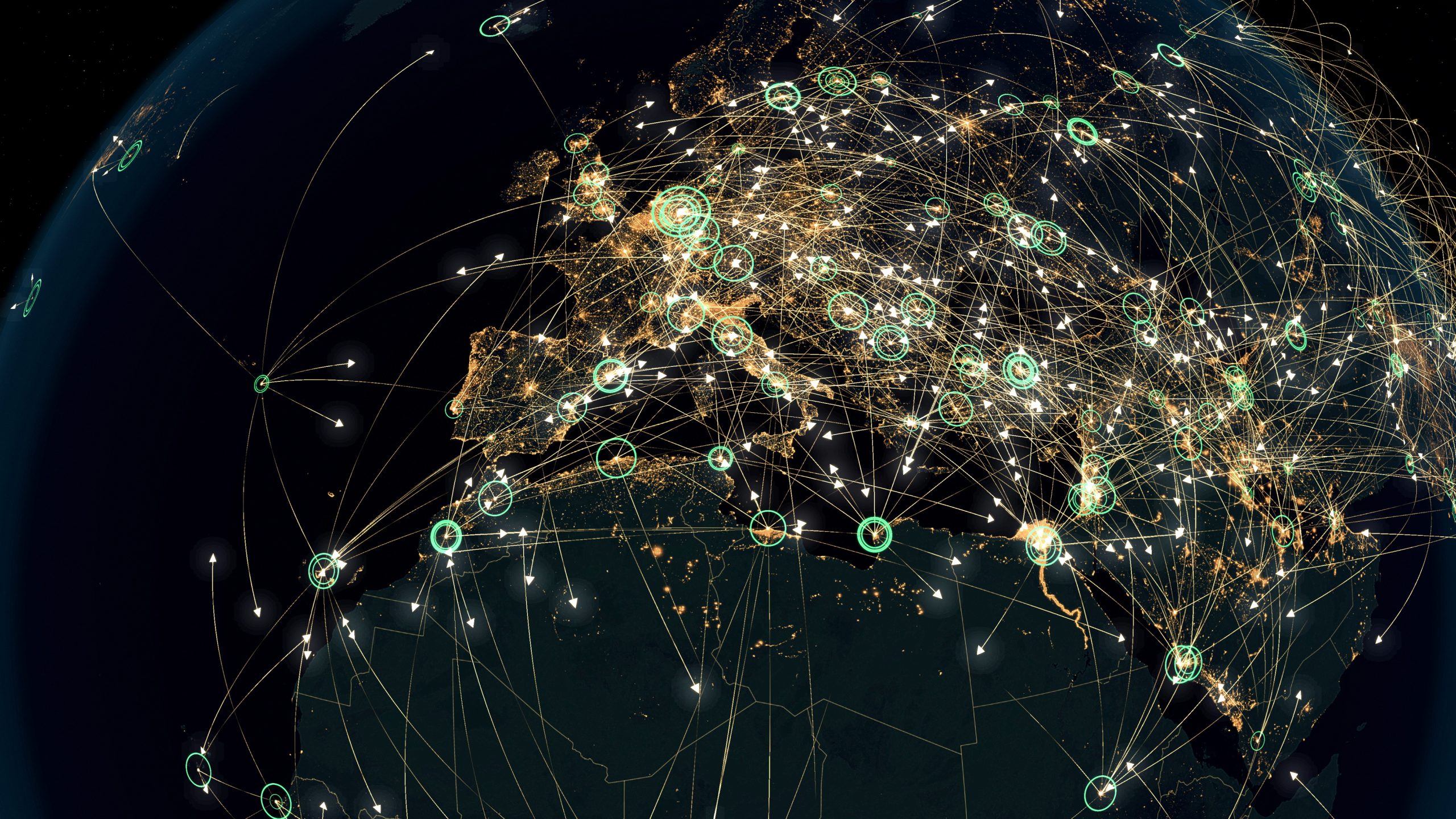
An unusual thing is happening in the navigation community. Almost everyone now believes in low Earth orbit positioning, navigation and timing (LEO PNT). Governments are studying it. Startups are building it. Researchers are publishing it. Investors are funding it. Satellite operators are discussing it (Figure 1). Even the GNSS community, historically cautious about claims of disruption, increasingly accepts that LEO will play some role in the future of PNT.
For years, the central challenge surrounding LEO PNT was whether it could work. Today, that challenge is increasingly getting addressed. Dedicated LEO constellations have transmitted navigation signals from orbit. Opportunistic approaches have demonstrated PNT with signals never intended for navigation. Governments have initiated national LEO PNT programs, while commercial companies are investing billions of dollars in satellite infrastructure that may ultimately support PNT.