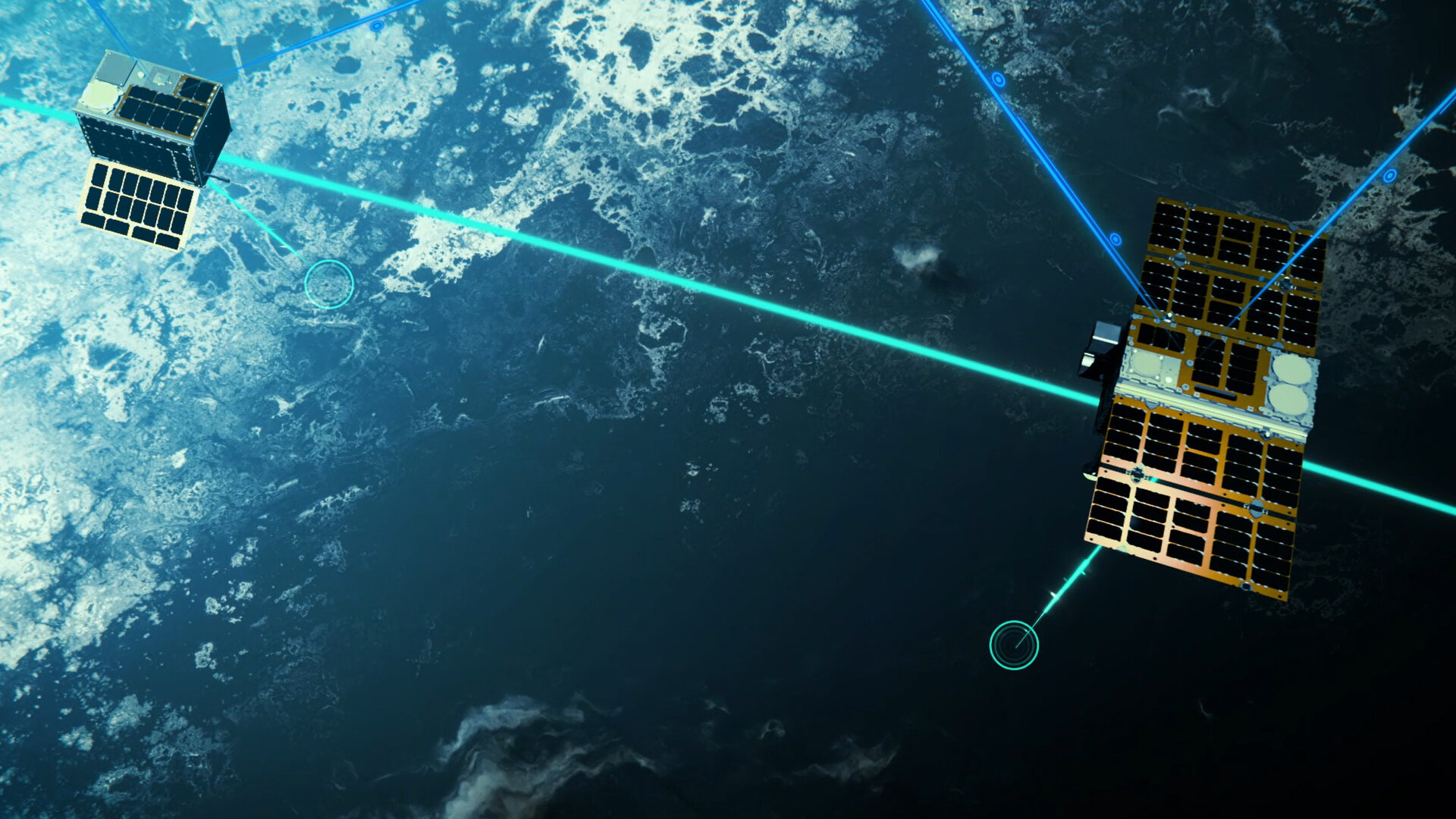





Photo Credit: SpaceX / U.S. Space Force via DVIDS
What’s new: The Air Force has recently taken over the MGUE program from Space Force and is predicting TESTING of the cards for equipment will be complete next year.
Why it’s important: M-code enabled receivers will be able to resist jamming and spoofing better than existing military receivers.
What else to know:
- As the article mention, fielding M-Code receivers has taken decades. The first satellite capable of transmitting the M-code signal was launched in 2007. Guess what – they knew long before that they were going to need receivers!
- 2027 is just the end of development and testing. After that, the tech needs to be fielded and installed. There are millions of devices that could be protected. That’s going to take a lot of time also.
- Unlike the article’s original subhead claims, M-code is not going to make receivers jam and spoof-proof. Receivers will be more resistant (resilient), though. M-code provides:
- Stronger, encrypted military signal that is harder for an adversary to imitate or corrupt.
- Advanced anti‑jam and anti‑spoof algorithms in certified receivers.
- Beamforming and nulling in some receivers (e.g., SABR‑M) to suppress interference sources.
- Higher power spectral density and improved acquisition/tracking robustnes
- M-code enabled receivers are still susceptible to:
- Sufficiently powerful jammers – these can overwhelm any RF signal if close enough or using directional antennas.
- Satellite signal blockage – Urban canyons, tunnels
- Receiver hardware limits: M‑code helps only if the platform uses certified MGUE‑class receivers with proper antennas and cryptographic modules.
- Spoofing is harder but not impossible — encrypted signals prevent simple spoofing, but sophisticated adversaries may still attempt advanced deception techniques targeting the receiver or platform rather than the signal itself.
- Meaconing might not result in spoofing unless the transmitter was quite close by, because of the time difference of arrival. BUT it would likely result in jamming.