



Image: YouTube
What’s new: An article from last week about using existing eLoran services for navigation in places like the Straits of Hormuz and Bab al Mandab when GNSS signals are not available or reliable.
Why it’s important: Secure navigation is essential in these locations to avoid territorial seas (if possible) and mined areas.
What else to know:
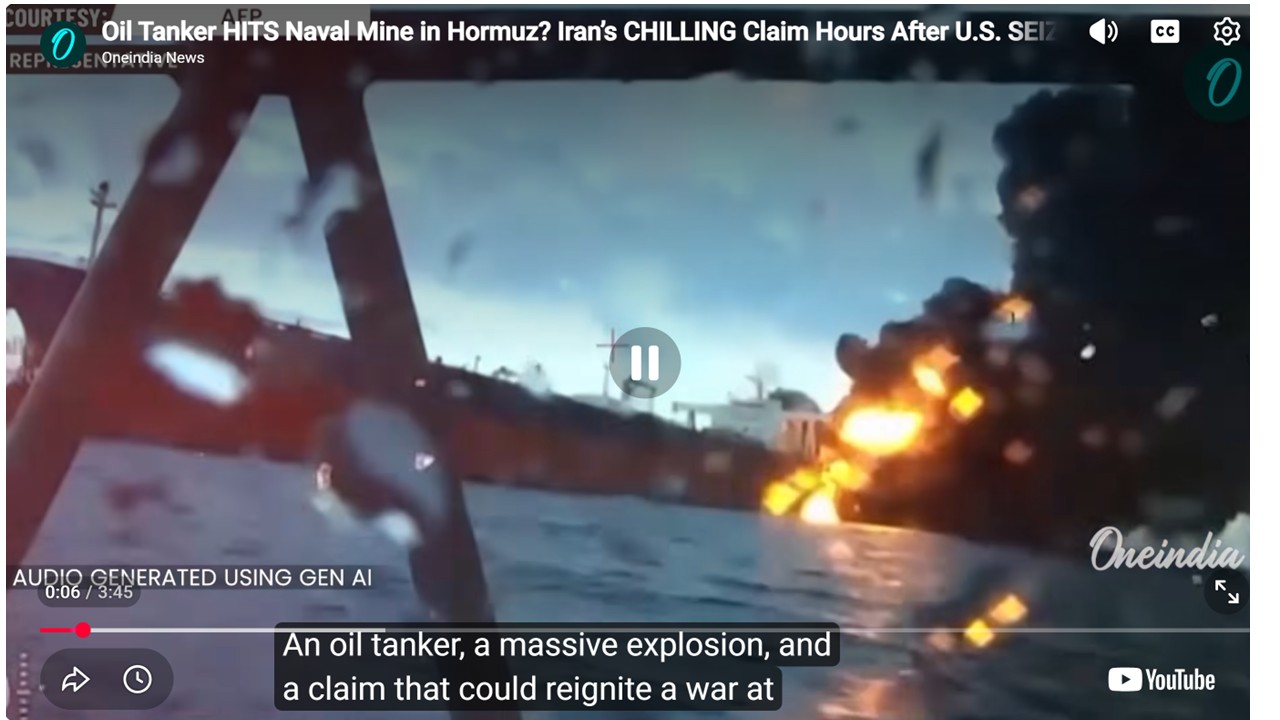
- A tanker was reported to have struck a mine and been damaged in the Strait of Hormuz over the weekend. The report is that the ship had strayed outside of the designated safe traffic lane.
- The U.K. has presented a paper to the International Maritime Organization describing its own efforts and saying use of existing eLoran systems in “… the Middle East, Northwest Europe and East Asia” can help guard against GNSS disruption. Also that it would reduce “… the ability of ‘bad actors’ to disrupt strategically important flows…” and offer “…greater protection at those maritime chokepoints where precise navigation is most required.”

An Imperative Case for eLoran
Addressing a Critical Shipping Vulnerability
Victor Tasiemski
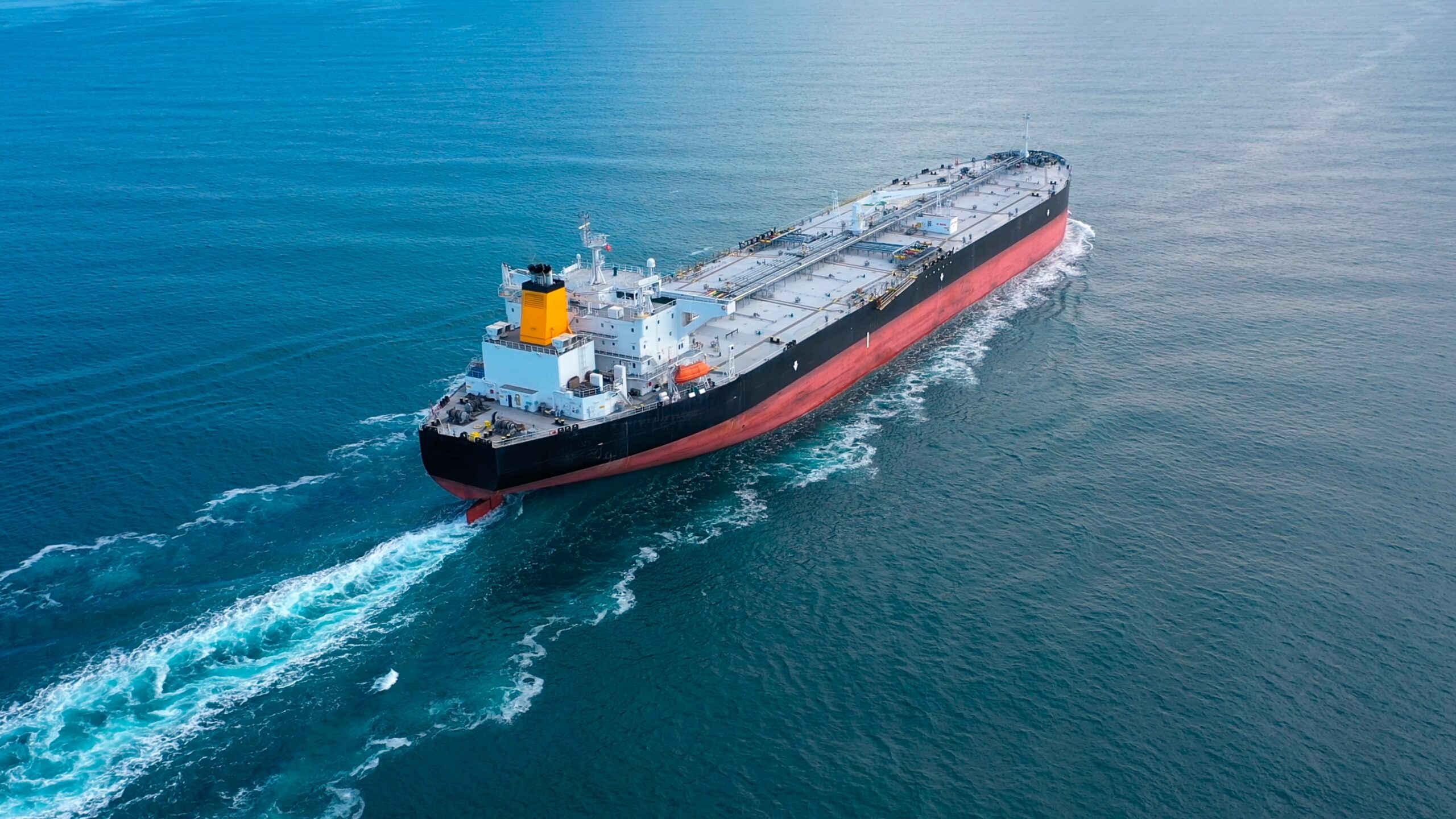
Imagine a liquefied natural gas (LNG) or an oil tanker transiting some of the world’s most strategically important waterways while relying on civil Global Navigation Satellite System (GNSS) that may be spoofed, jammed or denied, leaving navigators uncertain about the safety and security of their ships. Thousands of vessels are dealing with this situation in the Persian Gulf and Red Sea today. This is one of today’s most widespread Positioning, Navigation and Timing (PNT) challenges facing commercial shipping.
Even before the U.S. and Israel launched airstrikes against Iran in late February 2026, there was already widespread GNSS jamming and spoofing throughout the Persian Gulf, the Strait of Hormuz, Red Sea, and Gulf of Oman making civil GNSS unreliable or unusable. In May 2025, GPS interference was blamed in the 304-metre container ship MSC ANTONIA running aground near the port of Jeddah in the Red Sea, and then a month later the tanker FRONT EAGLE, carrying approximately 2 million barrels of crude oil, collided with the ADALYNN, a 900-foot tanker in the Gulf of Oman.