



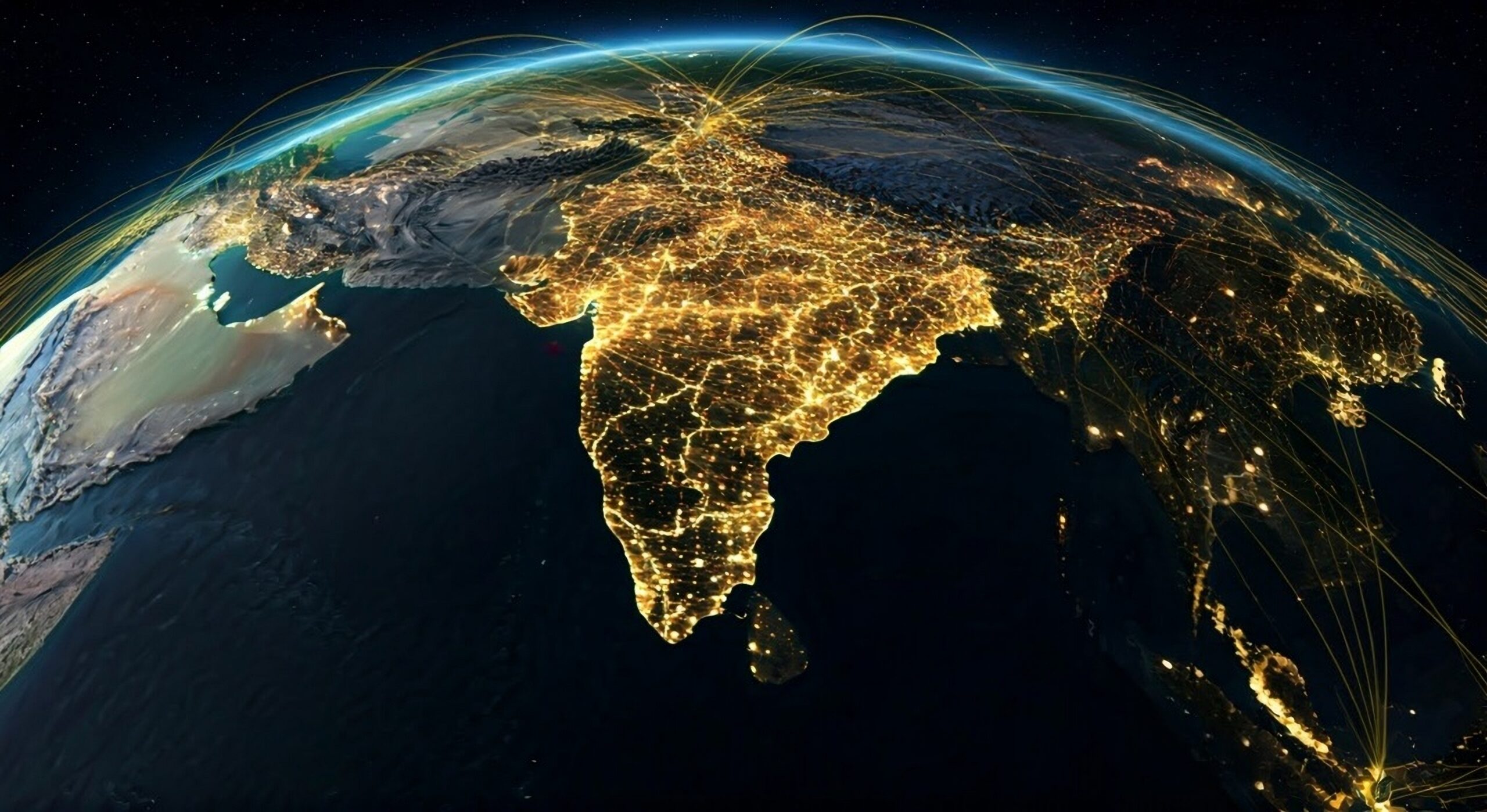
Image: Shutterstock
What’s new: The first coverage we have seen in India about this issue.
Why its important: India and China are neighbors and have a ‘frenemy’ relationship. China is far more PNT capable and resilient than India and therefore has tactical and strategic advantages.
What else to know:
- India’s armed forces were reported to have moved away from GPS and toward NavIC, India’s homegrown regional system (which seem to be failing). Pakistan, India’s rival, has moved to using Bei Dou. – More examples of how PNT plays into national policy, strategy, and competition.
- India is the world’s most populous country, followed closely by China.
- RNT Foundation endorses the “PNT resilient triad” of signals from space, terrestrial broadcast, and fiber which was also a finding in a 2021 U.S. DOT report (page 195).
- The below article is focused on warfighting. India should be equally concerned about keeping its economy going without access to GNSS signals.

Defence
China Has Built A Triad Of Satellites, Towers And Fibre To Never Lose Its Way In War. India Doesn’t Have One
-
- India is betting its future wars on precision, but the system that makes that possible is already cracking.
- As NavIC falters, China has quietly built a navigation architecture designed to keep fighting when everyone else goes blind.
In 2019, ships in the Shanghai port began drifting on tracking systems. In reality, they were still docked. But their GPS receivers showed them jumping across the river, circling in patterns that made no geometric sense. It wasn’t a malfunction. Someone was spoofing the satellite signals those ships depended on to know where they were.
The incident revealed something that engineers and military planners had long understood but rarely had to explain to the public. There is an invisible layer of infrastructure that tells everything, your phone, a power grid, a stock exchange, a cruise missile, where it is, what time it is, and how fast it is moving.
This infrastructure runs on satellite signals beamed from orbit and processed on the ground. It is called Positioning, Navigation, and Timing, or PNT.