




Update – North Korea Testing New Jammers?

April 12, 2016

Written by Editor

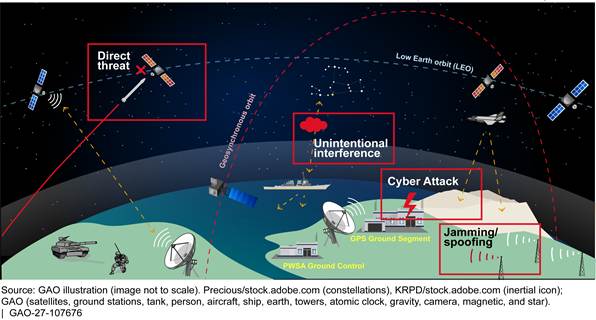
While comprehensive information about North Korea’s most recent spate of GPS jamming has yet to be made available, additional and intriguing bits continue to appear every couple of days.

North Korea began jamming on the 31st of March and the last incident so far was on the 5th of April.

On Monday South Korea revealed that, unlike previous years’ episodes that originated from one or two locations, this year disruptive signals have been coming from five different sites in the north.

Media have also reported that the strength of the jamming signal has varied considerably.

This has caused some to speculate that, in addition to showing its displeasure over US exercises and sanctions, North Korea maybe testing equipment newly acquired from Russia or China. In 2011 North Korea jammed GPS in the south on and off for a period of 11 days. Some analysts reported that this was just after they acquired new military-grade jamming equipment from Russia.

Sources in South Korea report that, overall, this year’s jamming signals have tended to be at a lower power than would be expected, and certainly far short of what is possible. This, combined with the south’s mountainous terrain and the duration of the individual jamming incidents (often only 5 or 10 minutes), maybe mitigating the impact on many GPS users. Even so, thousands of navigation systems on ships, aircraft and vehicles have been impacted, as have thousands of cellphone towers.

It could be that North Korea is doing just enough to test its new equipment and irritate its neighbors, while being careful to not be too troublesome or show its real capability.

What Can YOU Do? How Can YOU Help?

PNT is the quiet backbone of everything but too many leaders still don’t see the risk.

But you do. You understand the systems, the dependencies, the failure chains. That insight is rare — and it’s exactly what your country needs right now. Contact your government leaders and industry decision-makers and tell them resilient PNT isn’t a feature — it’s the foundation everything else depends on.

Start the Conversation

Use our Resilient PNT Key Talking Points to make the case.

U.S. Advocates

Find your representatives at Congress.gov, then use our email template to reach them in minutes.

When you get a response, let us know. Every conversation strengthens the mission.

More PNT News

Russia is jamming GPS from space – SpaceNews

Russia is jamming GPS from space – SpaceNews

Image: Copilot AI What's new: Another report about Todd Humphreys' efforts, though this one has a bit more of the backstory about how this was discovered. Why it's important: We hope this helps raise awareness about threats and risks. What else to know: Regrettably,...

Inside GNSS, Inside LEO: LEO PNT – Why Now?

Inside GNSS, Inside LEO: LEO PNT – Why Now?

Image: Shutterstock What's new: A new recurring feature at Inside GNSS. Why it's important: LEO PNT has enormous potential to provide similar services as MEO PNT but with greater performance and greater resilience. What else to know: Xona, Trustpoint, (both RNT...

Why the FCC Must Reject Ligado’s Latest Plan – Broadband Breakfast

Why the FCC Must Reject Ligado’s Latest Plan – Broadband Breakfast

Image: RNT Foundation What's new: It has been six years since the FCC ruled in favor of Ligado. Now Ligado wants to change almost everything about the bargain it struck with the commission. Why it's important: Use of some of the frequencies Ligado was granted could...

New Company for Broadcast Positioning System – NAB

New Company for Broadcast Positioning System – NAB

Image: Shutterstock What's new: The National Association of Broadcasters (NAB) has formed a separate company to develop, advocate for, and deploy the Broadcast Positioning System (BPS). Why it's important: NAB has put increasing effort behind BPS since its inception...

Get PNT News in Your Inbox