



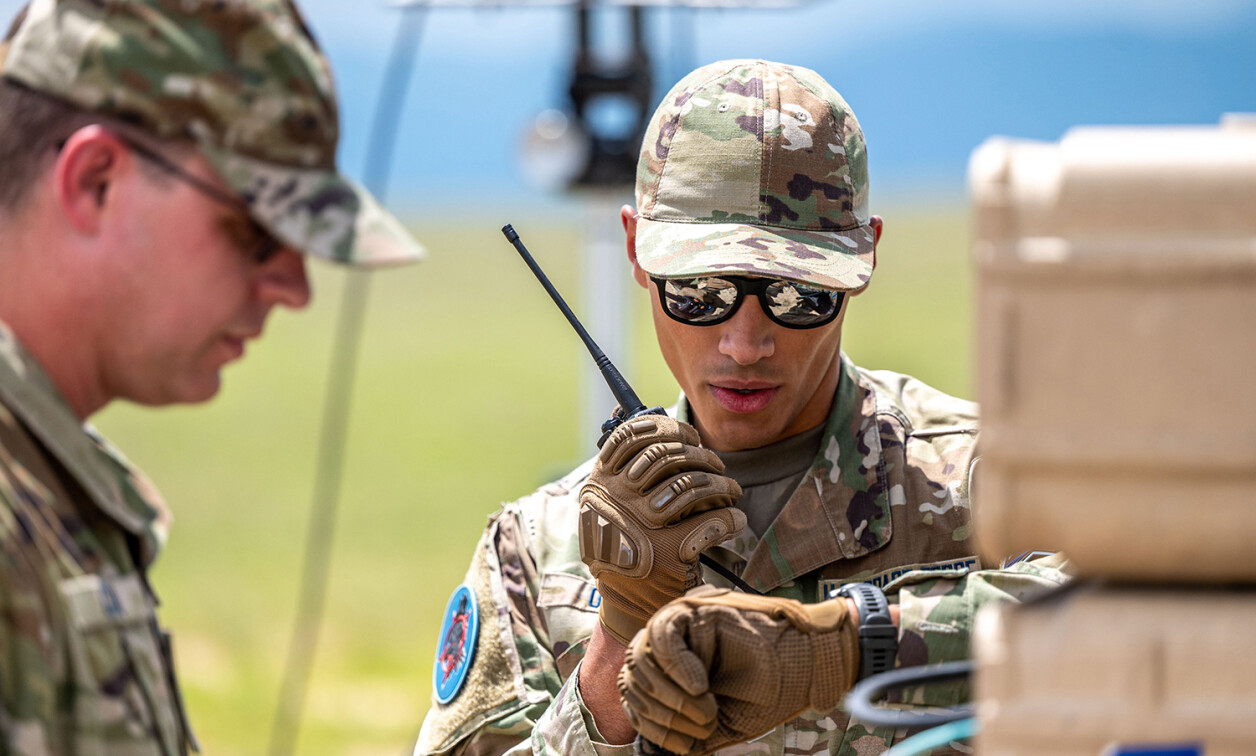
Image: U.S. Space Force/ Ethan Johnson
What’s New: A discussion of diversity of platforms and uses for GPS and the need for diverse alternatives.
Why It’s Important: Military, and eventually civil users will need to switch from over-reliance on GPS (a single point of failure) to GPS + multiple systems. Developing a Sensor Open System Architecture (SOSA) will:
- Integrate various types of PNT signals and information to provide location, and
- Help overcome the “embedded base” problem. SOSA should enable new signals and sensors to easily plug in and old systems to be unplugged. No more redesigning and disassembling an entire weapon just to change the nav sensor.
What Else to Know:
- There are all kinds of great technology out there already. It is a matter of it being adopted and used. That requires leadership and decisions.
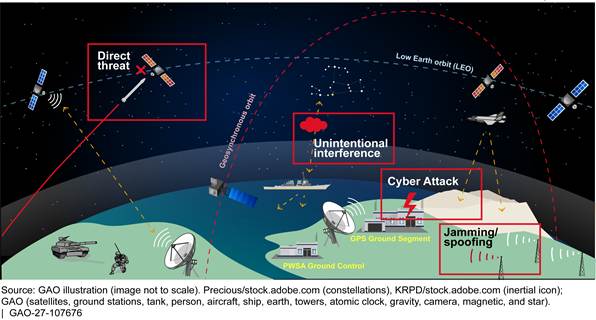
- My comment in the article about the lack of leadership on this issue in DOD is not something I came up with. See the GAO Report here.

November 20, 2023
In modern warfare, where signal jamming is now as common as bullets and bombs, the ability to navigate without the guiding stars of GPS has become a critical survival skill for today’s soldier.
The modern battlefield has evolved into a complex chessboard where the traditional lines of navigation and communication are constantly being blurred and disrupted.
As adversaries grow more adept at blocking GPS signals, the U.S. military is turning to advanced soldier-navigation equipment. Technology like soldier-to-soldier wireless communications, body area networking, and battlefield power storage and generation are at the leading edge of this effort.
These innovations are not just about keeping soldiers connected; rather, they are about redefining the very fabric of military strategy and operations in environments where the traditional tools of navigation and timing are rendered obsolete.