


Using ADS-B to Detect GPS/GNSS Interference – Inside GNSS

August 17, 2022

Written by Editor

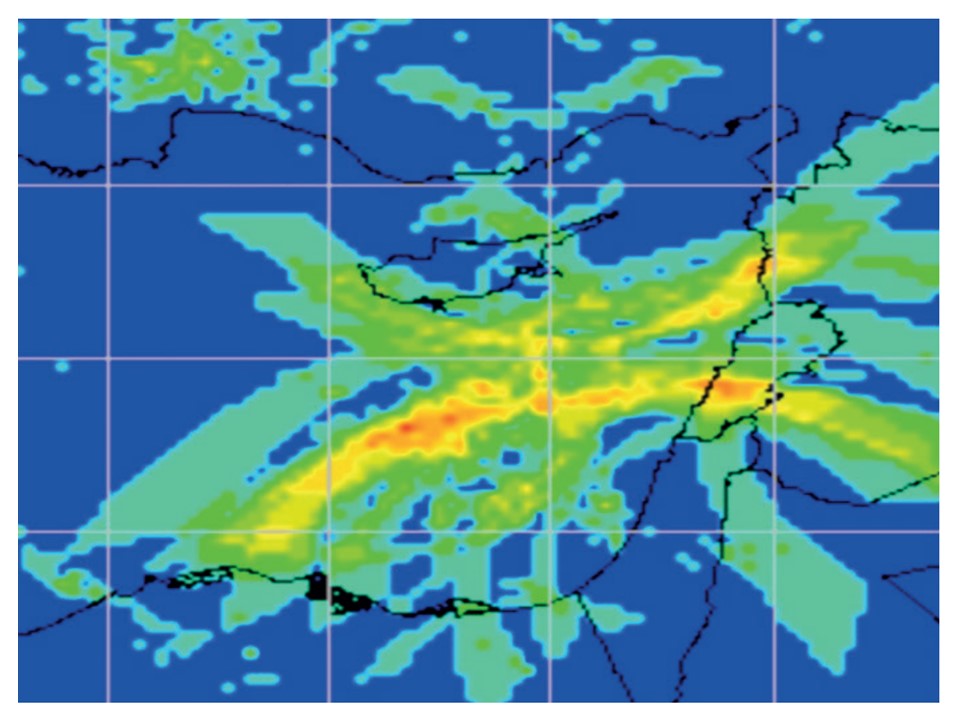
Image: Eurocontrol

Blog Editor’s Note: We first heard the idea of using ADS-B as a way to detect GNSS disruption from an Aireon presentation at the Stanford PNT Symposium in 2020. Makes a lot of sense. If it can be detected using maritime AIS data, why not with similar aviation data?

We reported just the other day about a website where hobbyists were doing just that.

“Inside GNSS” has two recent articles about how folks are working to refine techniques.  Click on the titles below to access.

We spoke to our colleague Dr. Sherman Lo about the first article. His group was fortunate to be able to examine two real world examples of disruption as part of their work.

He and his team will present a paper on the topic at ION GNSS+ in Denver next month. We are looking forward to that!

InsideGNSS


Protecting GNSS for Safe Aviation

Detecting interference using machine learning algorithms to monitor ADS-B data.

Zixi Liu, Sherman Lo, Todd Walter, Stanford University

Analyzing Airborne GNSS Interference

Identifying GNSS interference based on ADS-B Out data and validating that data against confirmed interference from fielded airborne receivers.

JEREMY KAZMIERCZAK, ANGELO JOSEPH, GEORGE COOK, COLLINS AEROSPACE

What Can YOU Do? How Can YOU Help?

PNT is the quiet backbone of everything but too many leaders still don’t see the risk.

But you do. You understand the systems, the dependencies, the failure chains. That insight is rare — and it’s exactly what your country needs right now. Contact your government leaders and industry decision-makers and tell them resilient PNT isn’t a feature — it’s the foundation everything else depends on.

Start the Conversation

Use our Resilient PNT Key Talking Points to make the case.

U.S. Advocates

Find your representatives at Congress.gov, then use our email template to reach them in minutes.

When you get a response, let us know. Every conversation strengthens the mission.

More PNT News

Inside GNSS, Inside LEO: LEO PNT – Why Now?

Inside GNSS, Inside LEO: LEO PNT – Why Now?

Image: Shutterstock What's new: A new recurring feature at Inside GNSS. Why it's important: LEO PNT has enormous potential to provide similar services as MEO PNT but with greater performance and greater resilience. What else to know: Xona, Trustpoint, (both RNT...

Why the FCC Must Reject Ligado’s Latest Plan – Broadband Breakfast

Why the FCC Must Reject Ligado’s Latest Plan – Broadband Breakfast

Image: RNT Foundation What's new: It has been six years since the FCC ruled in favor of Ligado. Now Ligado wants to change almost everything about the bargain it struck with the commission. Why it's important: Use of some of the frequencies Ligado was granted could...

New Company for Broadcast Positioning System – NAB

New Company for Broadcast Positioning System – NAB

Image: Shutterstock What's new: The National Association of Broadcasters (NAB) has formed a separate company to develop, advocate for, and deploy the Broadcast Positioning System (BPS). Why it's important: NAB has put increasing effort behind BPS since its inception...

Standalone Magnetometry Is the New GPS – IEEE Spectrum

Standalone Magnetometry Is the New GPS – IEEE Spectrum

Image: Shutterstock What's new: An article about forms of navigation using aspects of the earth's magnetic field.  Why it's important: Autonomous navigation is becoming more interesting for a number of applications in a world where interference with GNSS is becoming...

Get PNT News in Your Inbox