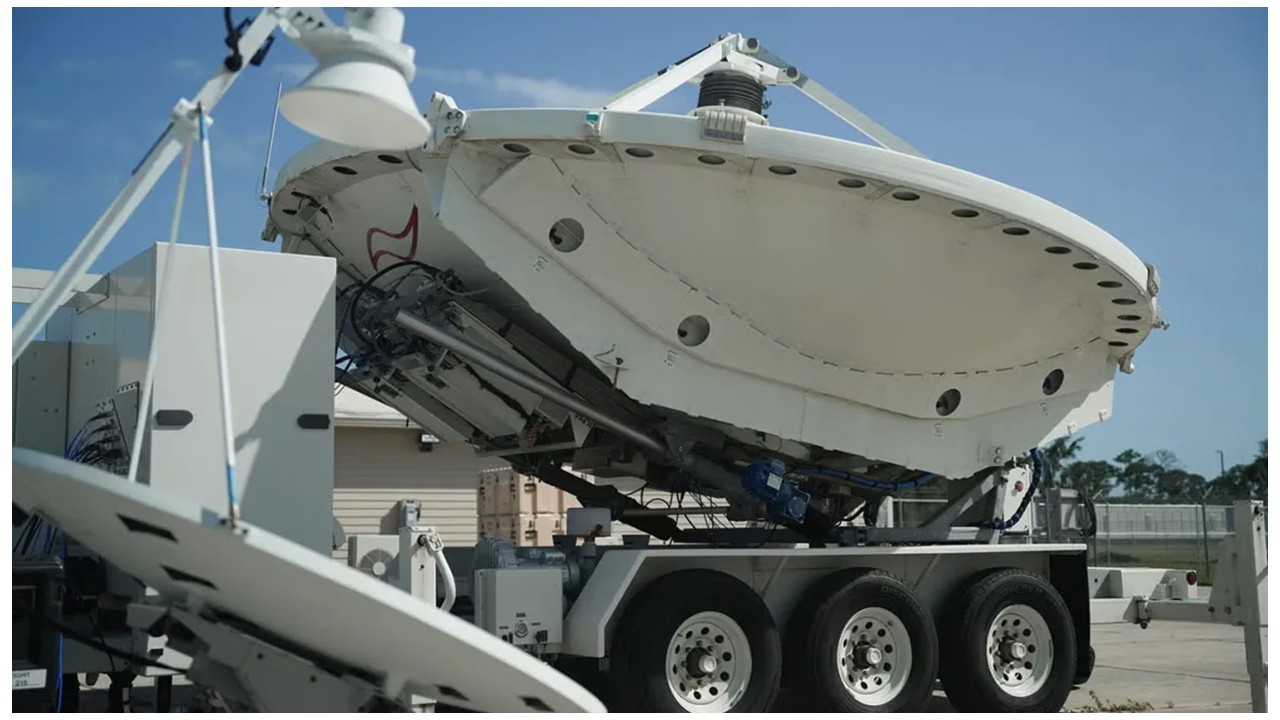




Graphic from AFCEA
Editor’s Note: The author of this article starts with “Safeguarding the electromagnetic spectrum is critical to success throughout the battlespace, but the ethos and resources needed to secure and defend this vital medium are lacking.” What is true about the electromagnetic spectrum generally, is especially true for GPS. And perhaps because GPS is a necessity for everyday life, not just the battlespace, our lack of ability to protect it should be an even greater concern.
An interesting article, thought a bit geeky, it is this month’s reading recommendation from AFCEA’s president. Worth a look for the GPS/GNSS community as well. – DG
Better Protection of Spectrum Is a Defense Necessity
Safeguarding the electromagnetic spectrum is critical to success throughout the battlespace, but the ethos and resources needed to secure and defend this vital medium are lacking.
The vulnerabilities from electromagnetic interference (EMI) affect the entire electromagnetic spectrum (EMS), requiring improved mitigation and resolution regardless of spectral bands, electronic systems or organizations. Although researchers have spent decades mastering the use of the spectrum, often pushing the envelope on capabilities, there has not been sufficient constructive action to overcome interference.
EMI broadly encompasses any type of interference, man-made or naturally occurring, that can potentially disrupt, degrade or otherwise impede authorized emissions over approved portions of the EMS. The interference can be intentional or inadvertent, hostile or friendly, military or civil, foreign or domestic. It can originate from a jamming device, procedural mistakes, malfunctioning equipment or improper system operation. EMI also can have static causes, such as structural or topographical obstructions.
Regardless of the type, cause, intent or origin of the EMI, the effects are the same—disruption of services, with increased delay and uncertainty and cost penalties to operations.
EMI is a multifaceted problem, and the threats it poses are clear and present. Nonetheless, the U.S. Defense Department has not prepared adequately to overcome the hazards, leaving it at a disadvantage in prosecuting and resolving interference. Solutions to system disruptions are usually slow and unsuccessful. Warfighters lack the requisite knowledge, awareness or tools to address challenges effectively. They must become more knowledgeable and better equipped and trained so they can anticipate and swiftly combat EMI.
While a single all-encompassing solution is not possible, developers are making modest progress in some areas toward addressing EMI. However, most of the efforts are symptomatic approaches to a far more complex issue. Decisive action is needed on a broader scale from those who design, fund, develop, implement and operate electromagnetic (EM) systems as well as from those who write doctrine, policy and procedure to ensure adequate protection.