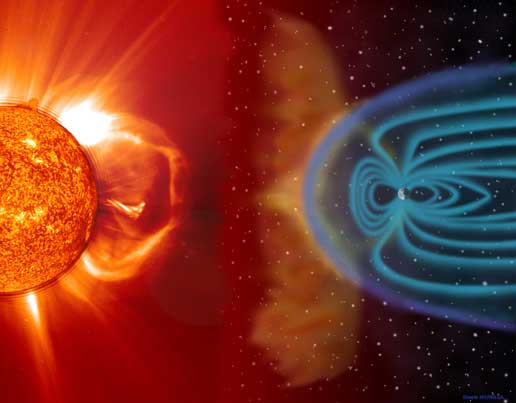



What if the Carrington Event, the largest solar storm ever recorded, happened today? – Live Science

June 11, 2024

Written by Editor

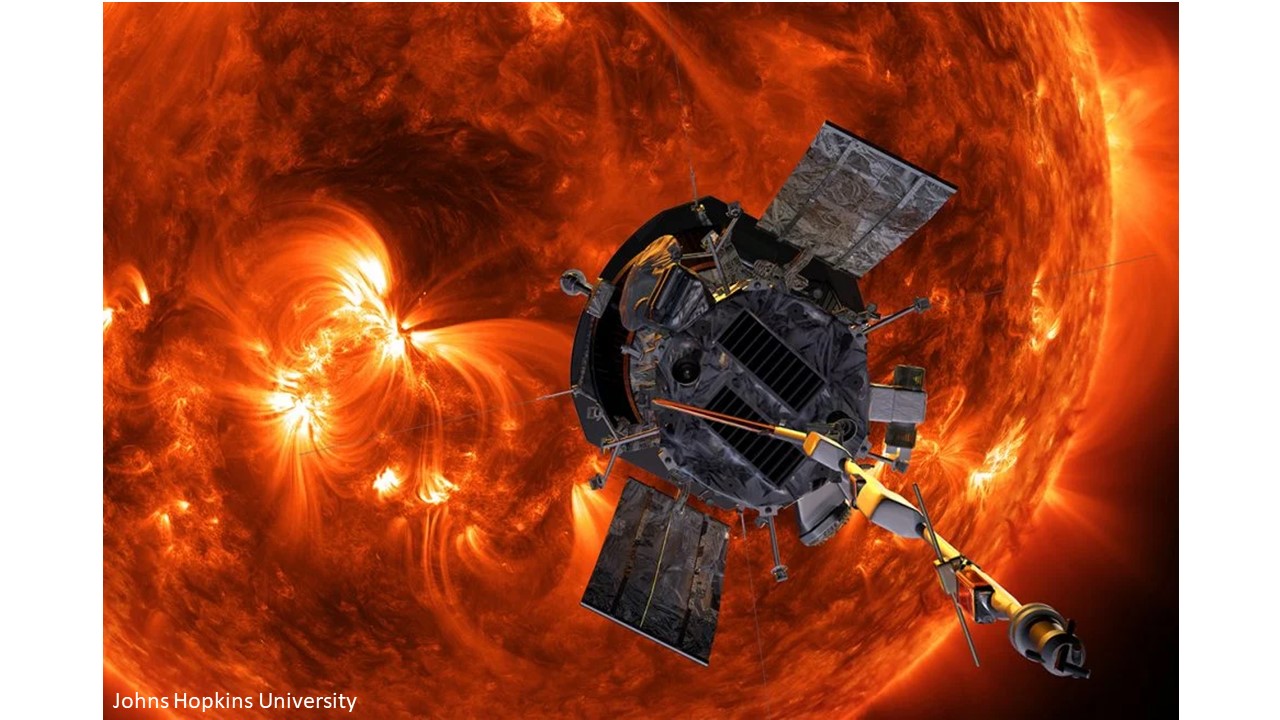
Image: Johns Hopkins

What’s New: A detailed discussion, not just about the Carrington Event, but also evidence of even more powerful events, and the possibility of them in the future.

Why It’s Important:

  •  Electrical grids certainly need too be reinforced and protected against such events.  Sub-sea cables also because they have electrical relays that can be impacted.
  • For the PNT community:
    • Satellites and signals can both be impacted by severe solar weather. While GPS and other GNSS satellites are hardened against radiation, the sun is incredibly powerful.
    • As new PNT systems are designed, the ability to withstand, or quickly shutdown and restart, must be mandatory features.

What Else to Know: From the article:

In addition, there is evidence that the sun may be capable of “superflares” that can unleash 10 times or more energy than the Carrington Event. For example, in a 2021 study in the Astrophysical Journal, scientists using NASA’s now-retired Kepler space telescope found that over the course of four years, 15 sun-like stars released 26 superflares packing a wallop up to 100 times greater than the Carrington Event. A 2020 study in the Astrophysical Journal found similar results during the first year of NASA’s ongoing TESS mission.

 

What Can YOU Do? How Can YOU Help?

PNT is the quiet backbone of everything but too many leaders still don’t see the risk.

But you do. You understand the systems, the dependencies, the failure chains. That insight is rare — and it’s exactly what your country needs right now. Contact your government leaders and industry decision-makers and tell them resilient PNT isn’t a feature — it’s the foundation everything else depends on.

Start the Conversation

Use our Resilient PNT Key Talking Points to make the case.

U.S. Advocates

Find your representatives at Congress.gov, then use our email template to reach them in minutes.

When you get a response, let us know. Every conversation strengthens the mission.

More PNT News

Inside GNSS, Inside LEO: LEO PNT – Why Now?

Inside GNSS, Inside LEO: LEO PNT – Why Now?

Image: Shutterstock What's new: A new recurring feature at Inside GNSS. Why it's important: LEO PNT has enormous potential to provide similar services as MEO PNT but with greater performance and greater resilience. What else to know: Xona, Trustpoint, (both RNT...

Why the FCC Must Reject Ligado’s Latest Plan – Broadband Breakfast

Why the FCC Must Reject Ligado’s Latest Plan – Broadband Breakfast

Image: RNT Foundation What's new: It has been six years since the FCC ruled in favor of Ligado. Now Ligado wants to change almost everything about the bargain it struck with the commission. Why it's important: Use of some of the frequencies Ligado was granted could...

New Company for Broadcast Positioning System – NAB

New Company for Broadcast Positioning System – NAB

Image: Shutterstock What's new: The National Association of Broadcasters (NAB) has formed a separate company to develop, advocate for, and deploy the Broadcast Positioning System (BPS). Why it's important: NAB has put increasing effort behind BPS since its inception...

Standalone Magnetometry Is the New GPS – IEEE Spectrum

Standalone Magnetometry Is the New GPS – IEEE Spectrum

Image: Shutterstock What's new: An article about forms of navigation using aspects of the earth's magnetic field.  Why it's important: Autonomous navigation is becoming more interesting for a number of applications in a world where interference with GNSS is becoming...

Get PNT News in Your Inbox