



GNSS & eLoran – European Security and Defence

October 22, 2021

Written by Editor

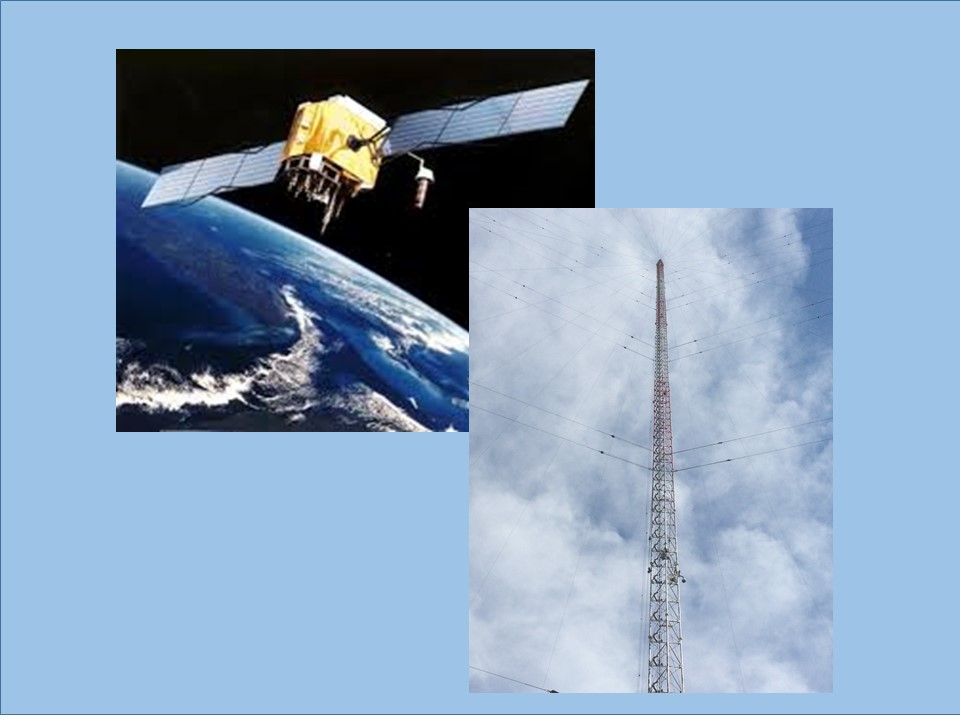
Image: RNT Foundation

Blog Editor’s Note: Interesting article that includes quotes from our member Hellen Systems and our colleague RADM(ret) Nick Lambert, Royal Navy.

One critique. The article states ” LORAN has largely fallen out of use…” – Only true if your whole world is Europe and the U.S. 

The world’s most populous country (China), and the world’s largest and third largest countries by geographic area (Russia and China) have active Loran systems. They state in public documents these systems are maintained, in part, to guard against losing PNT services if signals from space are disrupted. 

South Korea, Saudi Arabia, and likely Iran all have Loran systems as well.

And the UK has an eLoran transmitter on-line providing wide area, difficult to disrupt timing signals.

So, Loran has NOT fallen out of use, despite the west taking a more cavalier approach to PNT resilience and security.

 

Global Navigation Satellite Systems

Thomas Withington

Satellite navigation systems are fantastically capable critical national and international
infrastructure, but vulnerable. Fortunately, there is an alternative.

Not since its introduction in 1995 has there been so much focus on the integrity of the US Global Positioning System (GPS). GPS is one of several Global Navigation Satellite Systems (GNSSs). Others include the European Union’s (EU’s) Galileo, the People’s Republic of China’s
(PRC’s) Beidou and Russia’s GLONASS. GNSS has become essential for navigation over the past three decades. Aircraft, ships and vehicles all use GNSS to navigate. The US GPS constellation started life as a Department of Defence (DoD) project. As a result, US and allied militaries rely heavily on GPS technology. As a US government website discussing GPS explains “nearly all new military assets, from vehicles to munitions, come equipped with GPS.”


READ MORE – Page 44

What Can YOU Do? How Can YOU Help?

PNT is the quiet backbone of everything but too many leaders still don’t see the risk.

But you do. You understand the systems, the dependencies, the failure chains. That insight is rare — and it’s exactly what your country needs right now. Contact your government leaders and industry decision-makers and tell them resilient PNT isn’t a feature — it’s the foundation everything else depends on.

Start the Conversation

Use our Resilient PNT Key Talking Points to make the case.

U.S. Advocates

Find your representatives at Congress.gov, then use our email template to reach them in minutes.

When you get a response, let us know. Every conversation strengthens the mission.

More PNT News

“We can track Starlink users…” – Fast Company

“We can track Starlink users…” – Fast Company

Image: Shutterstock What's new: A report that multiple companies are offering governments the ability to geolocate Starlink terminals.  Why it's important: Security concerns - an adversary could target, kidnap, kill, etc. users. Privacy concerns - user location data...

Honeybees teach drones how to navigate without GPS – Cybernews

Honeybees teach drones how to navigate without GPS – Cybernews

Image: Shutterstock What's new: An interesting form of autonomous navigation based on nature. Why it's important: Autonomous systems have an important place in an overall PNT architecture. For some applications they are the best/only method. This system uses just 42...

PNT cyber guidance update – NIST wants your input

PNT cyber guidance update – NIST wants your input

Image: RNT Foundation What's new: Draft updated PNT cyber guidance from NIST. They are seeking public comment and input. Why it's important: PNT and cyber are well intertwined. PNT is an essential tech infrastructure so protecting it from malicious cyber effects is...

GPS Is Not Guaranteed: Impact on ports (Webinar 21 May)

GPS Is Not Guaranteed: Impact on ports (Webinar 21 May)

Image: Shutterstock What's new: A webinar featuring our colleague Matt Shirley. Matt is a professional port pilot and has some interesting insights on maritime reliance on GPS/GNSS, how things could go wrong without resilient PNT, and how things could go better with...

Get PNT News in Your Inbox