


S. Korea to use eLoran for Autonomous Vehicles, Drones

June 8, 2018

Written by Editor

Blog Editor’s Note: A recent article about South Korea’s budding eLoran system and a presentation at the recent IALA Conference in Inchon is only available in Korean. The Google Translate version quoted from below clearly skews a couple ideas moving them from Korean to English, but does provide an insight that we had not seen before. Emphasis added by us.

…Park Sang-hyun, director of the Public Technology Research Institute at the Marine & Plant Research Institute, said…”There was also concern that the development of a system to replace GPS when problems occurred was urgent,” explaining the background that Korea is leading the [development/implementation] of eLoran.

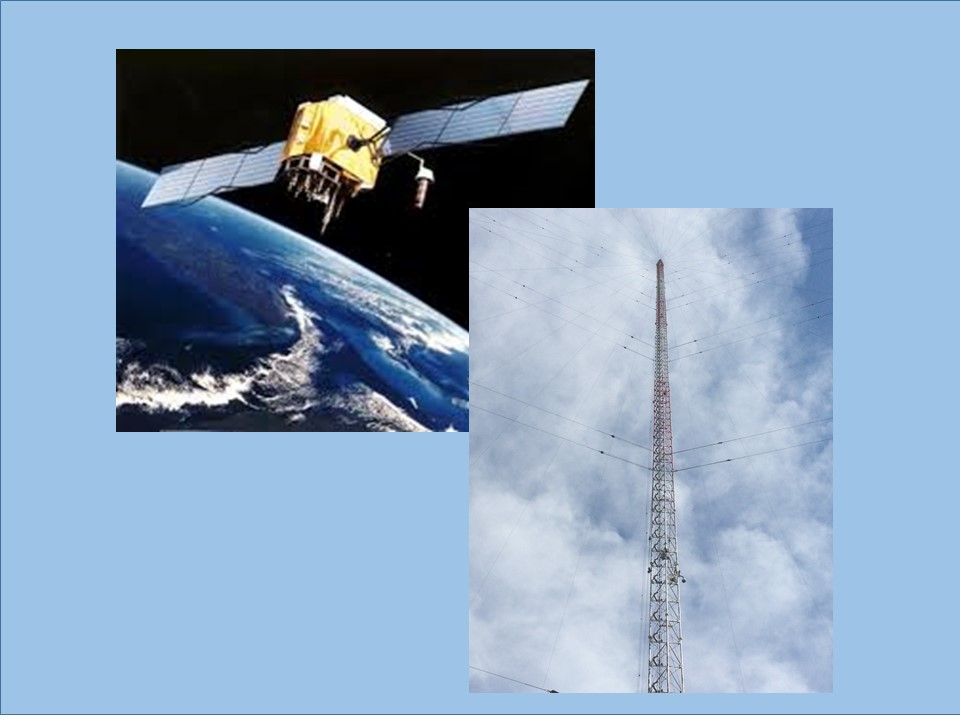
eLoran is unlikely to disturb radio waves because it uses terrestrial waves, unlike satellite signals, which come off the ground 25,000 km away and reach the ground. Park said “Once eLoran is completed it will be used in all four industries, including vessels, autonomous vehicles and drone, which should be provided with real-time navigation system service… Britain and other advanced countries are showing great interest in Korea, especially in eLoran,” he said…


What Can YOU Do? How Can YOU Help?

PNT is the quiet backbone of everything but too many leaders still don’t see the risk.

But you do. You understand the systems, the dependencies, the failure chains. That insight is rare — and it’s exactly what your country needs right now. Contact your government leaders and industry decision-makers and tell them resilient PNT isn’t a feature — it’s the foundation everything else depends on.

Start the Conversation

Use our Resilient PNT Key Talking Points to make the case.

U.S. Advocates

Find your representatives at Congress.gov, then use our email template to reach them in minutes.

When you get a response, let us know. Every conversation strengthens the mission.

More PNT News

Inside GNSS, Inside LEO: LEO PNT – Why Now?

Inside GNSS, Inside LEO: LEO PNT – Why Now?

Image: Shutterstock What's new: A new recurring feature at Inside GNSS. Why it's important: LEO PNT has enormous potential to provide similar services as MEO PNT but with greater performance and greater resilience. What else to know: Xona, Trustpoint, (both RNT...

Why the FCC Must Reject Ligado’s Latest Plan – Broadband Breakfast

Why the FCC Must Reject Ligado’s Latest Plan – Broadband Breakfast

Image: RNT Foundation What's new: It has been six years since the FCC ruled in favor of Ligado. Now Ligado wants to change almost everything about the bargain it struck with the commission. Why it's important: Use of some of the frequencies Ligado was granted could...

New Company for Broadcast Positioning System – NAB

New Company for Broadcast Positioning System – NAB

Image: Shutterstock What's new: The National Association of Broadcasters (NAB) has formed a separate company to develop, advocate for, and deploy the Broadcast Positioning System (BPS). Why it's important: NAB has put increasing effort behind BPS since its inception...

Standalone Magnetometry Is the New GPS – IEEE Spectrum

Standalone Magnetometry Is the New GPS – IEEE Spectrum

Image: Shutterstock What's new: An article about forms of navigation using aspects of the earth's magnetic field.  Why it's important: Autonomous navigation is becoming more interesting for a number of applications in a world where interference with GNSS is becoming...

Get PNT News in Your Inbox