


What Would Happen if GPS Failed – The New Yorker

May 7, 2016

Written by Editor

BY GREG MILNER

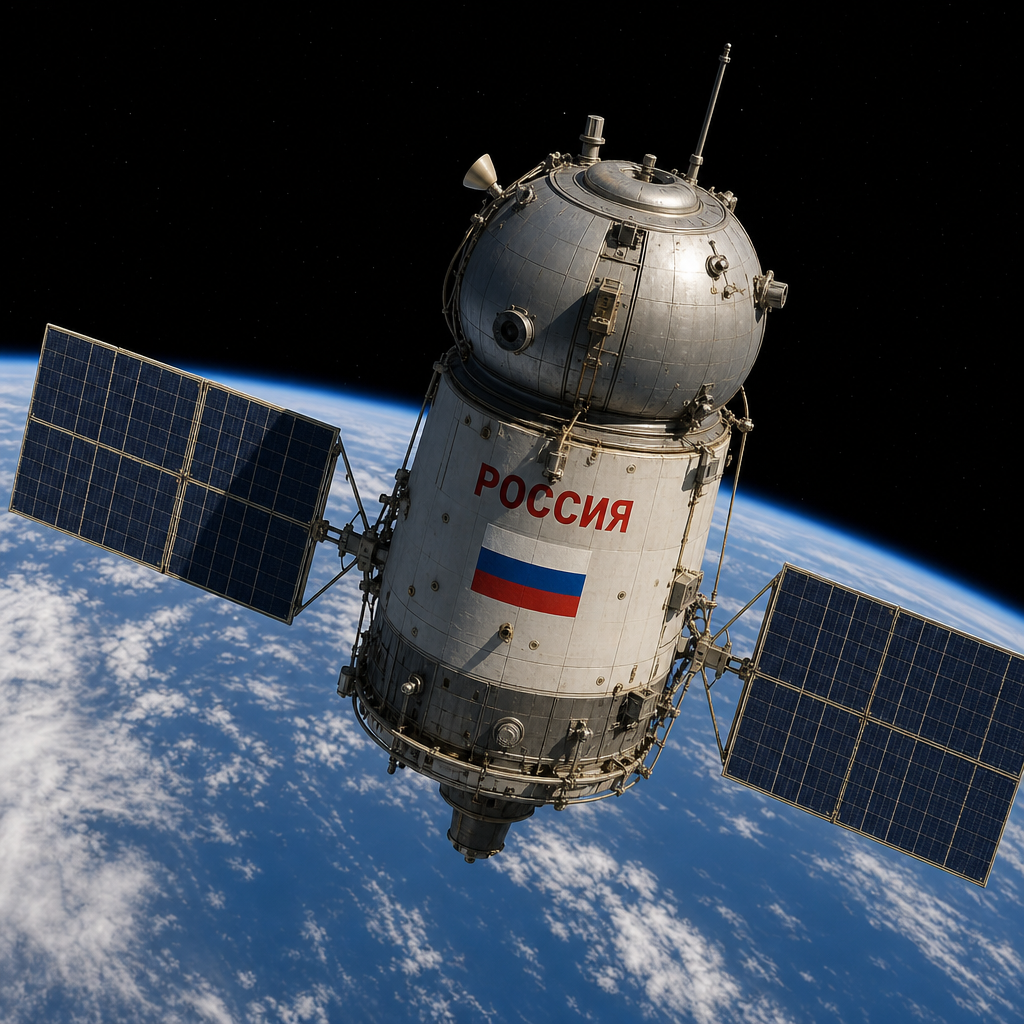
The radio signal that is the lifeblood of the Global Positioning System originates from a constellation of twenty-four satellites, orbiting more than twelve thousand miles above Earth. When it reaches the ground, after about sixty-seven milliseconds, it is so weak as to be almost imperceptible. (G.P.S. experts often compare processing the signal to trying to read by the light of a single bulb in a city thousands of miles away.) The signal tells the receiver the precise moment at which it left the satellite. Given four of these cues, processed simultaneously, the receiver can extrapolate its position in three dimensions. A timing error of as little as a millisecond can throw its calculation off by nearly two hundred miles.

Read More

What Can YOU Do? How Can YOU Help?

PNT is the quiet backbone of everything but too many leaders still don't see the risk.

But you do. You understand the systems, the dependencies, the failure chains. That insight is rare — and it's exactly what your country needs right now. Contact your government leaders and industry decision-makers and tell them resilient PNT isn't a feature — it's the foundation everything else depends on.

Start the Conversation

Use our Resilient PNT Key Talking Points to make the case.

U.S. Advocates

Find your representatives at Congress.gov, then use our email template to reach them in minutes.

When you get a response, let us know. Every conversation strengthens the mission.